
How Long Can a Sun Conure Be Left Alone: Expert Guidelines
A Sun Conure can be left alone for up to 8 hours a day. Longer periods may cause stress and loneliness.
Sun Conures are vibrant, social birds that thrive on interaction. These parrots form strong bonds with their owners and need mental stimulation. Leaving them alone for too long can lead to behavioral issues and stress. Ensure they have plenty of toys to keep them entertained during your absence.
Regular social interaction and attention are crucial for their well-being. Consider having someone check on them if you're away for extended periods. A happy Sun Conure is one that feels loved and engaged. By understanding their social needs, you can ensure they remain healthy and content.
Sun Conure Basics
Sun Conures are vibrant and playful birds. They are known for their bright colors and affectionate nature. As pet birds, they need special care and attention. Understanding their basic characteristics and social needs can help ensure their well-being.
Characteristics
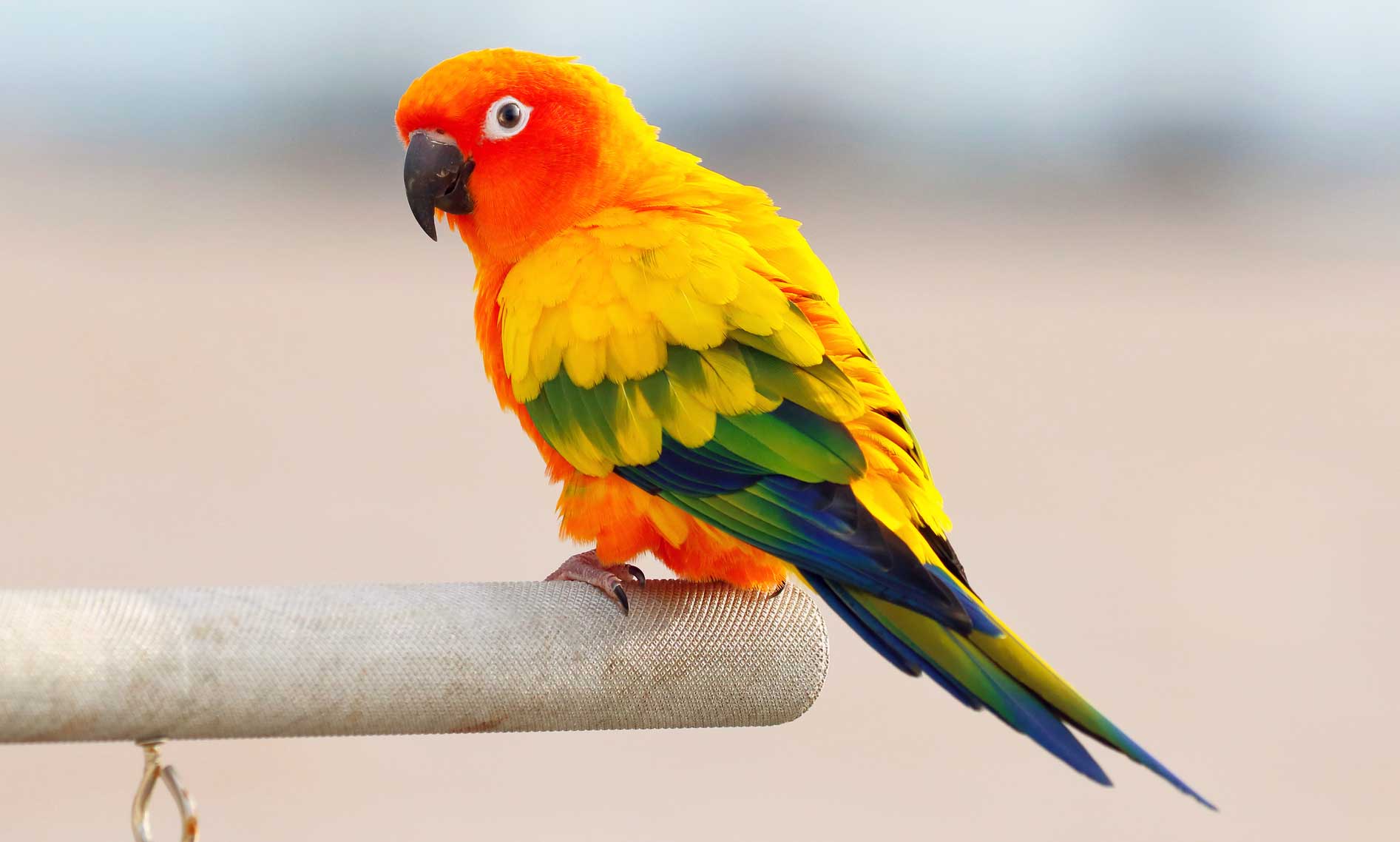
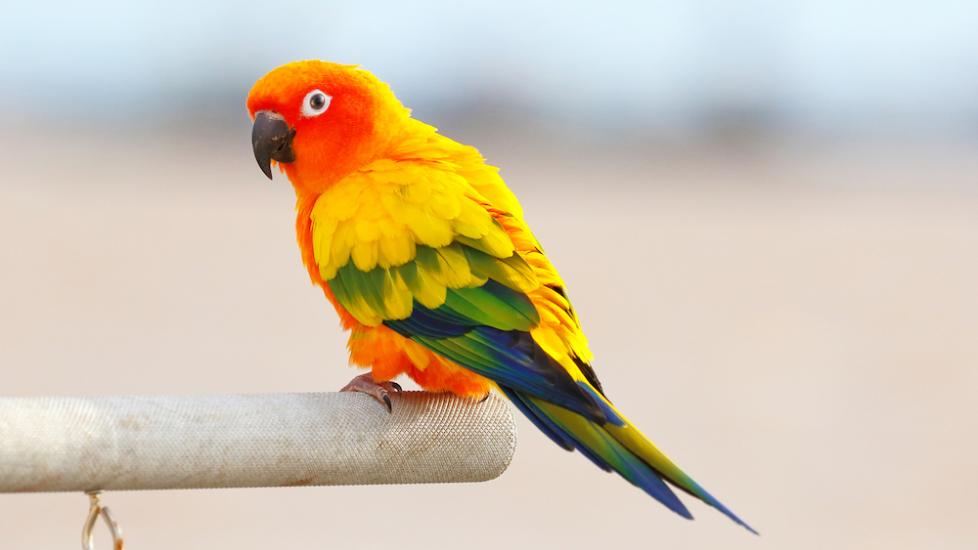
Sun Conures have striking orange, yellow, and green feathers. They are small to medium-sized parrots, typically 12 inches long. These birds have a strong, curved beak and a long tail. They are known for their loud calls, which can be heard over long distances.
Here are some key characteristics of Sun Conures:
- Size: 12 inches in length
- Weight: Around 4 ounces
- Lifespan: 20-30 years with proper care
- Color: Bright orange, yellow, and green feathers
- Sound: Loud and vocal
Social Needs
Sun Conures are social birds that thrive on interaction. They form strong bonds with their owners and other birds. They need daily attention to stay happy and healthy.
Below are the social needs of Sun Conures:
- Interaction: At least 2-3 hours of social time daily
- Companionship: Prefer having a bird companion or human interaction
- Enrichment: Toys, puzzles, and activities to keep them engaged
- Training: Respond well to positive reinforcement and training sessions
Without adequate social interaction, Sun Conures can become bored and stressed. This can lead to behavioral problems like feather plucking and excessive screaming.
Importance Of Companionship
Sun Conures are social birds. They thrive on interaction and companionship. Leaving them alone for too long can harm their well-being. Understanding the importance of companionship is crucial for their health.
Mental Health
A Sun Conure's mental health depends on social interaction. Without companionship, they can feel lonely. Loneliness can lead to stress and anxiety. These birds need mental stimulation to stay happy. Providing toys and puzzles can help, but human interaction is vital.
Behavioral Effects
Isolation can lead to negative behaviors. A lonely Sun Conure might start feather plucking. They may also become aggressive or withdrawn. Behavioral changes are signs of distress. Ensuring companionship can prevent these issues.
Sun Conures need companionship for their mental and behavioral health. Regular interaction keeps them happy and healthy.
Safe Alone Time Duration
Understanding how long a Sun Conure can be left alone is important for any bird owner. These vibrant, social birds thrive on interaction and stimulation. Leaving them alone for too long can lead to stress and behavioral issues.
Recommended Hours
Sun Conures should not be left alone for more than 4-6 hours a day. They need regular social interaction to stay happy and healthy. Leaving them alone for longer periods can cause loneliness.
Factors Influencing Time
Several factors influence how long a Sun Conure can be left alone:
- Age: Younger birds need more attention.
- Health: Sick birds require constant care.
- Environment: A stimulating environment helps reduce loneliness.
- Companionship: Having another bird can make them feel less lonely.
| Factor | Impact on Alone Time |
|---|---|
| Age | Young birds need more attention |
| Health | Sick birds need constant care |
| Environment | Stimulating environments reduce loneliness |
| Companionship | Another bird reduces loneliness |
By understanding these factors, you can ensure your Sun Conure stays happy and healthy even when you are not around.

Credit: www.reddit.com
Preparing For Alone Time
Leaving your sun conure alone requires careful preparation. These birds need attention and care, even when you're away. Creating a safe and stimulating environment is crucial. Below are essential tips to prepare your sun conure for alone time.
Cage Setup
Ensure your sun conure's cage is spacious. A large cage allows for movement and play. Include multiple perches at different heights. This setup mimics a natural environment. Cover part of the cage to create a cozy spot.
| Item | Importance |
|---|---|
| Spacious Cage | High |
| Multiple Perches | Medium |
| Cozy Cover | Medium |
Toys And Entertainment
Provide your sun conure with varied toys. Toys keep them busy and happy. Rotate toys every few days to maintain interest. Include toys that encourage foraging and problem-solving. These activities stimulate their minds.
- Foraging Toys
- Chew Toys
- Interactive Puzzles
Music or ambient sounds can also help. Play soothing music or nature sounds. This can comfort your bird while you're away.
Signs Of Distress
Leaving a Sun Conure alone for too long can cause distress. These birds are social and need attention. Recognizing distress signs is crucial for their well-being.
Physical Symptoms
Distress in Sun Conures often shows through physical symptoms. Watch for changes in feathers and weight.
- Feather Plucking: Birds may pull out their own feathers.
- Weight Loss: Losing weight indicates stress or illness.
- Fluffed Feathers: Fluffed feathers could mean the bird is cold or stressed.
Behavioral Changes
Behavioral changes are another sign of distress. Sun Conures may act differently when left alone too long.
- Excessive Screaming: Loud, frequent noises can be a cry for attention.
- Self-Isolation: The bird may hide or stay in one spot.
- Aggression: Biting and hostile behavior may increase.
Monitor your Sun Conure closely. Quick action can prevent serious issues.
Alternatives To Alone Time
Sun Conures are social birds that need companionship. Leaving them alone for long periods isn't ideal. Fortunately, there are alternatives to alone time. These options ensure your Sun Conure remains happy and healthy.
Pet Sitters
Hiring a pet sitter is a great choice. A pet sitter can visit your home and spend time with your bird. They can feed, play, and interact with your Sun Conure.
- Pet sitters provide social interaction.
- They ensure your bird's routine isn't disrupted.
- Look for experienced pet sitters who understand birds.
Pet sitters can be found through pet sitting services or personal recommendations. Ensure they have good reviews and are trustworthy.
Bird Daycare
Bird daycare is another excellent alternative. These facilities are designed to care for birds while owners are away. They offer a safe and engaging environment.
| Benefits | Details |
|---|---|
| Social Interaction | Your Sun Conure can interact with other birds and humans. |
| Expert Care | Staff are trained to handle birds and understand their needs. |
| Structured Activities | Bird daycares often provide toys and activities to keep birds engaged. |
Research local bird daycares to find the best fit. Visit the facility to ensure it meets your standards.
Creating A Routine
Creating a routine for your sun conure is essential. It helps your bird feel secure and happy. A structured routine includes feeding, playtime, and rest. Consistency is key to keeping your bird healthy and content.
Feeding Schedule
Set a regular feeding schedule for your sun conure. Birds need to eat at the same times each day. This helps them know what to expect.
A typical feeding schedule may look like this:
| Time | Meal |
|---|---|
| 8:00 AM | Fresh fruits and vegetables |
| 12:00 PM | Pellets or seeds |
| 6:00 PM | Mixed bird food |
Always provide fresh water. Change it at least twice a day.
Playtime Routine
Sun conures need daily playtime. It keeps them active and happy. Schedule playtime at the same time each day.
Here is a simple playtime routine:
- Morning: 30 minutes of supervised out-of-cage time
- Afternoon: 20 minutes of interactive play
- Evening: 30 minutes of free flight time
Use toys and puzzles to keep your bird engaged. Rotate toys weekly to avoid boredom.
During playtime, bond with your bird. Talk to it and offer treats. This builds trust and a strong relationship.
Credit: be.chewy.com
Long-term Solutions
Sun conures are social birds that thrive on interaction. Leaving them alone can cause stress. Long-term solutions help ensure their well-being when you're away.
Companion Birds
Consider getting a companion bird. A second bird can provide company. They can keep each other entertained. Ensure the new bird is compatible. Monitor their interaction to avoid conflicts.
| Pros | Cons |
|---|---|
| Reduces loneliness | Requires more space |
| Provides social interaction | More cleaning needed |
| Helps mental stimulation | Potential for fights |
Permanant Changes
Make your home bird-friendly. Add more toys and perches. Rotate toys to keep them interesting. Provide a variety of chewing materials.
- Install multiple perches
- Offer different types of toys
- Use bird-safe materials
- Ensure access to fresh water
Consider setting up a bird room. This gives them more space to explore. It can reduce their stress. Ensure it is safe and secure.
Credit: www.petmd.com
Frequently Asked Questions
Can Sun Conures Be Left Alone?
Sun conures should not be left alone for long periods. They need social interaction, mental stimulation, and companionship daily.
Do Sun Conures Get Lonely?
Yes, sun conures can get lonely. They are social birds needing companionship, interaction, and mental stimulation.
Does A Sun Conure Need A Friend?
Yes, a sun conure benefits from having a friend. They are social birds and thrive with companionship.
Will My Conure Fly Away If I Take It Outside?
Yes, your conure might fly away if taken outside. Always use a harness or keep it in a secure cage.
Conclusion
Ensuring your Sun Conure isn't left alone for too long is crucial. They need social interaction and mental stimulation. Provide toys and consider a companion bird. By understanding their needs, you can keep your Sun Conure happy and healthy. Proper care fosters a strong bond and a joyful pet.

Viola R. Daigle
I'm Viola R. Daigle, a dedicated Internet Marketer. I work with WarriorPlus as a Vendor and Affiliate, and I’m also an Affiliate on JVZoo and Legendary Marketer. My passion is to provide honest and detailed reviews of Internet Marketing (IM) products and software. I love helping people choose the right tools and strategies to grow their online business with confidence.


