
Should I Get a Sun Conure: The Ultimate Guide
Yes, you should get a Sun Conure if you want a colorful and sociable pet bird. They require attention and interaction.
Sun Conures are vibrant, affectionate parrots known for their striking colors and lively personalities. These birds thrive on social interaction and can become very attached to their owners. Sun Conures need daily mental and physical stimulation, making them suitable for dedicated pet owners.
They are known to be noisy, so they might not be ideal for apartment living. Prospective owners should also be prepared for a long-term commitment, as these parrots can live up to 30 years. Proper diet, regular vet visits, and a spacious cage are essential for their well-being. Overall, Sun Conures make delightful and engaging pets for those ready to invest time and care.
Introduction To Sun Conures
Sun Conures are vibrant, playful, and affectionate birds. They are popular among bird enthusiasts. These charming parrots can bring joy and color to your home.
Overview
Sun Conures are native to South America. They belong to the parrot family. Their scientific name is Aratinga solstitialis. Sun Conures are known for their bright plumage and lively personality.
These birds are highly social. They thrive in environments with lots of interaction. They can live up to 30 years with proper care.
Appearance And Characteristics
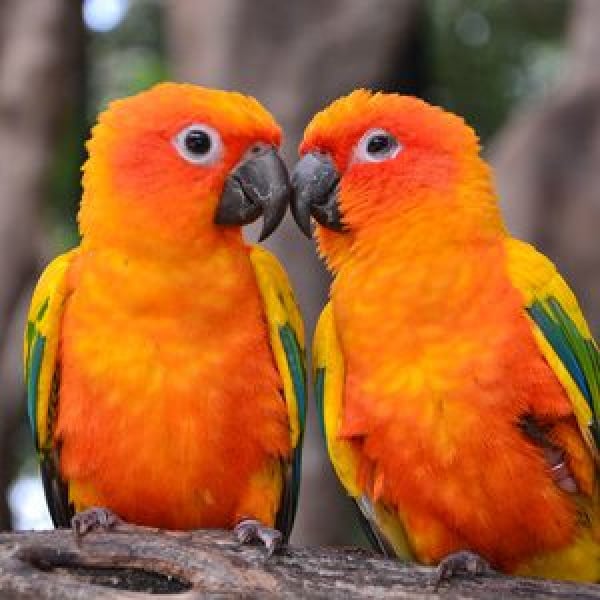
Sun Conures are striking with their vivid colors. They have a mix of yellow, orange, and red feathers. Their wingtips are green and blue, adding to their beauty.
| Feature | Description |
|---|---|
| Size | Approximately 12 inches long |
| Weight | About 4 ounces |
| Lifespan | 20 to 30 years |
| Plumage | Bright yellow, orange, red, with green and blue wings |
Sun Conures are known for their expressive eyes and strong beaks. They are very active and need space to move around.
- Highly social
- Intelligent and curious
- Can mimic sounds
- Require mental stimulation
These parrots are very vocal. They can be quite loud, especially when excited. Sun Conures use their vocalizations to communicate. They are also very playful and enjoy interacting with their owners.

Credit: www.reddit.com
Pros Of Owning A Sun Conure
Thinking of getting a Sun Conure? These vibrant birds bring joy and color to your life. Here are some pros of owning a Sun Conure that might convince you to welcome one into your home.
Affectionate Nature
Sun Conures are known for their affectionate nature. They love to cuddle and be close to their owners. These birds often form strong bonds with their human companions. They enjoy sitting on your shoulder or nuzzling against your cheek. This makes them perfect for those seeking a loving pet.
Playful Personality
Sun Conures have a playful personality. They are curious and enjoy exploring their surroundings. These birds love playing with toys and interacting with their environment. Providing a variety of toys keeps them entertained and happy.
| Pros | Details |
|---|---|
| Affectionate | Forms strong bonds, loves cuddling |
| Playful | Enjoys toys, curious nature |
If you want a pet that is both loving and playful, a Sun Conure might be the perfect choice for you.
Cons Of Owning A Sun Conure
Sun Conures are beautiful and friendly birds. But owning one has its downsides. Knowing these cons helps you make an informed decision.
Noise Levels
Sun Conures are known for their loud calls. They can be very noisy, especially in the morning and evening. Their screeches are high-pitched and can disturb neighbors. If you live in an apartment, this could be a problem. Sun Conures use their voices to communicate, express emotions, and seek attention.
Destructive Behavior
Sun Conures love to chew on things. They have strong beaks and can cause damage. They might chew on furniture, wires, and other household items. This behavior is natural and helps them keep their beaks healthy. Providing chew toys can help reduce this problem. Supervision is key to prevent damage and ensure their safety.
| Cons | Description |
|---|---|
| Noise Levels | High-pitched screeches that can disturb neighbors. |
| Destructive Behavior | Chewing on furniture, wires, and household items. |
Owning a Sun Conure requires patience and understanding. Their noise and chewing can be challenging. But with proper care, they can be wonderful pets.
Credit: windycityparrot.com
Housing And Environment
Sun Conures are colorful and playful birds. Their vibrant feathers and lively nature make them great pets. But you need to provide the right housing and environment for them to thrive. This section covers important aspects of housing and environment for Sun Conures.
Cage Requirements
Sun Conures need a spacious cage. They love to move around and stretch their wings. A small cage can make them unhappy. Here are some key points to consider:
- Minimum Cage Size: 24" x 24" x 36" (width x depth x height)
- Bar Spacing: 1/2 inch to 3/4 inch
- Material: Stainless steel or powder-coated iron
A big cage with proper bar spacing keeps them safe. Ensure the cage has horizontal bars. This helps them climb and stay active.
Safe Toys And Accessories
Sun Conures are curious and intelligent. They need safe toys and accessories to stay entertained. Unsafe items can harm them. Here are some recommendations:
- Chew Toys: Made of natural wood or untreated leather
- Foraging Toys: Encourage mental stimulation and mimic wild behavior
- Perches: Different sizes and textures to keep their feet healthy
Rotate toys weekly. This keeps your Sun Conure engaged and happy. Always check for wear and tear to avoid injuries.
Diet And Nutrition
Proper diet and nutrition are essential for keeping your Sun Conure healthy and happy. These vibrant birds need a balanced diet that includes a variety of foods to meet their nutritional needs.
Recommended Foods
Sun Conures thrive on a mix of different foods. Here are some recommended options:
- Pellets: High-quality pellets should make up about 70% of their diet.
- Fruits: Apples, bananas, and berries are great choices.
- Vegetables: Spinach, carrots, and broccoli are nutritious options.
- Seeds and Nuts: Offer these in moderation as treats.
| Food Type | Examples | Frequency |
|---|---|---|
| Pellets | Commercial bird pellets | Daily |
| Fruits | Apples, bananas, berries | Several times a week |
| Vegetables | Spinach, carrots, broccoli | Daily |
| Seeds & Nuts | Sunflower seeds, almonds | Occasionally |
Foods To Avoid
Certain foods are harmful to Sun Conures and should be avoided:
- Chocolate: Toxic and can be deadly.
- Avocado: Contains a toxin called persin.
- Caffeine: Harmful to their nervous system.
- Alcohol: Dangerous for birds.
- Salt: Excessive salt can be harmful.
Always ensure your Sun Conure has fresh water available. A balanced diet will keep your bird lively and vibrant.
Health And Wellness
Sun Conures are beautiful and vibrant birds. Ensuring their health and wellness is essential. Proper care can lead to a happy, long-lived companion. Let's explore some key aspects of their health.
Common Health Issues
Sun Conures can face several health issues. Being aware helps in early detection and treatment.
- Feather Plucking: This is often due to stress or boredom.
- Respiratory Problems: Signs include sneezing and nasal discharge.
- Psittacine Beak and Feather Disease (PBFD): A viral disease affecting feathers and beak.
- Obesity: Caused by a high-fat diet and lack of exercise.
- Parasitic Infections: These include mites and lice.
Regular Veterinary Care
Routine veterinary care is crucial for Sun Conures. Regular check-ups can catch problems early.
- Annual Exams: A yearly visit to an avian vet is recommended.
- Vaccinations: Certain vaccines can protect against diseases.
- Blood Tests: These help monitor internal health.
- Dietary Assessments: Ensure they get a balanced diet.
| Health Aspect | Recommendation |
|---|---|
| Diet | Varied, including fruits, veggies, and pellets. |
| Exercise | Daily out-of-cage time for flying and playing. |
| Hygiene | Regular cage cleaning and fresh water daily. |
By focusing on these aspects, you ensure your Sun Conure stays healthy. A healthy bird is a happy bird. Their health and wellness should be a top priority.
Training And Socialization
Training and socializing a Sun Conure can be both fun and rewarding. These vibrant birds are intelligent and thrive on interaction. Understanding their needs will help ensure a happy, well-adjusted pet.
Basic Commands
Teaching your Sun Conure basic commands helps establish a strong bond. Start with simple commands like "step up" and "step down". Use a firm but gentle voice.
- Use treats as rewards.
- Practice these commands daily.
- Be patient and consistent.
Once these commands are mastered, you can introduce more complex tricks. Always keep training sessions short to maintain their interest.
Social Interaction
Sun Conures are very social birds. They need regular interaction with their human family. Spend at least an hour each day engaging with your bird.
Here are some ways to socialize your Sun Conure:
- Play games like fetch and hide-and-seek.
- Provide toys that stimulate their mind.
- Allow them to explore outside their cage safely.
Encouraging social behavior will make your Sun Conure a happy and friendly pet. Remember, a well-socialized bird is less likely to develop behavioral issues.
Credit: m.youtube.com
Cost And Commitment
Deciding to get a Sun Conure is a big step. These vibrant birds bring joy and color to any home. However, they require a significant investment of both time and money. Understanding the cost and commitment involved is crucial before making your decision.
Initial Expenses
Before bringing a Sun Conure home, be prepared for initial costs. These include the bird itself, its cage, and essential supplies.
| Item | Cost |
|---|---|
| Sun Conure | $400 - $600 |
| Cage | $100 - $300 |
| Perches | $20 - $50 |
| Food and Water Dishes | $10 - $30 |
| Toys | $50 - $100 |
| Initial Vet Check | $50 - $150 |
These initial expenses ensure your Sun Conure starts with a comfortable home. A well-equipped environment keeps the bird healthy and happy.
Ongoing Costs
After the initial setup, ongoing costs must be considered. Sun Conures have a long lifespan, so these expenses add up over time.
- Food: $20 - $40 per month
- Toys: $10 - $30 per month
- Vet Visits: $50 - $100 annually
- Supplements: $10 - $20 per month
- Cage Cleaning Supplies: $5 - $15 per month
Regular vet check-ups are crucial for maintaining your bird's health. Fresh food and clean water are daily necessities. Toys and mental stimulation keep the bird engaged and happy.
Understanding these ongoing costs helps ensure you can provide a quality life for your Sun Conure. It's a long-term commitment but very rewarding.
Frequently Asked Questions
Are Sun Conures Beginner Friendly?
Sun conures are not ideal for beginners. They require significant attention, social interaction, and care. Their loud calls can be challenging.
What Should I Know Before Getting A Sun Conure?
Sun conures are noisy and need social interaction. They require a spacious cage and mental stimulation. These birds can live up to 30 years. A balanced diet is essential for their health. Regular veterinary check-ups are necessary.
Do Sun Conures Like To Be Held?
Yes, sun conures enjoy being held. They are affectionate and bond closely with their owners. Regular handling helps them stay social.
What Is The Best Age To Buy A Sun Conure?
The best age to buy a sun conure is between 8 to 12 weeks. At this age, they adapt easily.
Conclusion
Deciding to get a Sun Conure is a big commitment. They are lively, colorful, and social birds. Ensure you have the time and resources for their care. With proper attention, they can be a joyful addition to your home. Consider all factors to make an informed decision.

Viola R. Daigle
I'm Viola R. Daigle, a dedicated Internet Marketer. I work with WarriorPlus as a Vendor and Affiliate, and I’m also an Affiliate on JVZoo and Legendary Marketer. My passion is to provide honest and detailed reviews of Internet Marketing (IM) products and software. I love helping people choose the right tools and strategies to grow their online business with confidence.


