
Why are Sun Conures Endangered: Unveiling the Hidden Crisis

Sun Conures are endangered due to habitat loss and the illegal pet trade. These factors significantly reduce their population.
Sun Conures, also known as Sun Parakeets, are vibrant, social birds native to northeastern South America. They face serious threats from deforestation and illegal poaching. Their colorful plumage makes them highly sought after in the pet trade. Habitat destruction due to agriculture and urbanization further diminishes their natural environment.
Conservation efforts are crucial for their survival. Protecting their habitats and enforcing stricter regulations on pet trade can help. Awareness and education about their plight are also essential. By supporting conservation initiatives, we can ensure the survival of these beautiful birds.
Sun Conures: A Brief Introduction
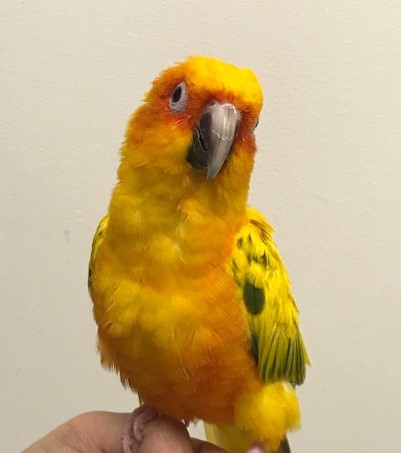
Sun Conures are bright, colorful parrots. They are known for their stunning plumage. They are native to South America. These birds are social and intelligent. Their vibrant colors and playful nature make them popular pets.
Physical Characteristics
Sun Conures are medium-sized parrots. They grow up to 12 inches long. They weigh around 4 ounces. Their feathers are a mix of yellow, orange, and green.
Here are some key physical characteristics of Sun Conures:
- Beak: Strong and curved for cracking nuts and seeds.
- Eyes: Dark and expressive, they observe everything.
- Tail: Long and pointed, adding to their elegant appearance.
Natural Habitat
Sun Conures live in tropical forests. They are found in northeastern South America. They prefer areas with plenty of trees. These birds love dense forests and savannas.
Here is a table showing their natural habitat regions:
| Country | Region |
|---|---|
| Brazil | Northeast |
| Guyana | Throughout |
| Suriname | Throughout |
Sun Conures nest in tree cavities. They stay in flocks for protection. Their natural habitat is shrinking. Deforestation is a major threat.
Population Decline
The population decline of Sun Conures is alarming. These vibrant birds face numerous challenges that threaten their existence.
Historical Numbers
Historically, Sun Conures were abundant in their natural habitats. They thrived in the forests of South America.
In the past, large flocks could be seen in the wild. Their bright plumage made them easily recognizable.
| Year | Estimated Population |
|---|---|
| 1980 | 100,000+ |
| 1990 | 70,000 |
| 2000 | 30,000 |
Current Statistics
Today, the number of Sun Conures has dropped significantly. Their population is now critically low.
Current estimates suggest there are fewer than 2,500 individuals left in the wild.
Several factors contribute to this decline:
- Habitat destruction
- Illegal pet trade
- Climate change
Conservation efforts are ongoing to protect these birds. It's crucial to ensure their survival.
Habitat Destruction
Sun Conures, also known as Sun Parakeets, face a dire threat. One of the main reasons for their endangered status is Habitat Destruction. This section delves into how the destruction of their natural habitat impacts these vibrant birds.
Deforestation Impact
Deforestation has a devastating effect on Sun Conures. These birds rely on trees for nesting and food. When forests are cleared, their homes are destroyed. Logging, agriculture, and cattle ranching are major culprits. The loss of trees forces Sun Conures to search for new habitats.
| Cause | Impact on Sun Conures |
|---|---|
| Logging | Destroys nesting sites and food sources |
| Agriculture | Clears large areas of forest |
| Cattle Ranching | Converts forests into pastures |
Urbanization Effects
Urbanization is another major threat to Sun Conures. As cities expand, natural habitats shrink. Buildings, roads, and infrastructure replace forests. This leaves Sun Conures with fewer places to live.
Urbanization also brings pollution and noise. These factors make it hard for Sun Conures to thrive. The birds struggle to find food and mates in urban areas. They need quiet, clean environments to survive.
- Loss of habitat due to city expansion
- Increased pollution and noise
- Difficulty finding food and mates
Both deforestation and urbanization greatly contribute to the endangered status of Sun Conures. Protecting their natural habitat is crucial for their survival.
Credit: thelinksroadanimalclinic.com
Illegal Pet Trade
Sun Conures face endangerment due to the illegal pet trade, leading to significant population declines. Capturing these vibrant birds disrupts their natural habitats and threatens their survival.
Capture Methods
The capture of Sun Conures involves trapping from their natural habitats.Market Demand
The demand for Sun Conures as pets drives their illegal trade. Illegal Pet Trade: Sun Conures are endangered due to the illegal pet trade. Capture Methods involve trapping from their natural habitats. The Market Demand for Sun Conures as pets drives their illegal trade.Predation And Natural Threats
Sun Conures are vibrant and social birds. They face many natural threats. These threats impact their survival in the wild. Understanding these dangers can help in their conservation.
Natural Predators
Sun Conures have several natural predators. These predators include hawks, eagles, and owls. These birds of prey hunt Sun Conures for food. Snakes also pose a threat. They often raid nests to eat eggs and chicks.
Here is a list of common predators:
- Hawks
- Eagles
- Owls
- Snakes
Environmental Hazards
Sun Conures face many environmental hazards. Harsh weather conditions can be deadly. Storms and heavy rains destroy their nests. Deforestation reduces their habitat. This makes finding food and shelter harder.
Here's a table showing environmental hazards and their effects:
| Hazard | Effect |
|---|---|
| Storms | Destroy nests |
| Heavy rains | Flood nesting areas |
| Deforestation | Loss of habitat |
Conservation Efforts
Sun Conures are endangered due to habitat loss and illegal pet trade. Conservation efforts aim to protect this vibrant species. These efforts include protection laws and breeding programs.
Protection Laws
Several countries have implemented protection laws to safeguard Sun Conures. These laws prevent the capture and sale of these birds. Enforcement of these laws is crucial for their survival.
Organizations like CITES (Convention on International Trade in Endangered Species) have listed Sun Conures in Appendix II. This listing controls their trade internationally. Stricter laws help curb illegal activities.
Breeding Programs
Breeding programs play a significant role in conserving Sun Conures. These programs aim to increase their population in captivity.
- Breeders ensure genetic diversity.
- Programs provide safe environments.
- They prepare birds for reintroduction into the wild.
Zoos and conservation centers participate in these programs. They share knowledge and resources to improve breeding success.
| Organization | Location | Breeding Success Rate |
|---|---|---|
| World Parrot Trust | Global | High |
| Loro Parque Fundación | Spain | Very High |
These combined efforts offer hope for the future of Sun Conures. Strict laws and effective breeding programs are vital for their conservation.
Community Involvement
Community involvement plays a crucial role in protecting Sun Conures. Local communities and global campaigns work together to save these beautiful birds. By taking action, communities help prevent the extinction of Sun Conures.
Local Initiatives
Local initiatives aim to protect Sun Conures in their natural habitats. These efforts include creating safe areas and stopping illegal trapping. Communities also educate people about the importance of Sun Conures.
- Wildlife Sanctuaries: Many areas set up sanctuaries to protect Sun Conures.
- Education Programs: Schools and groups teach people about conservation.
- Law Enforcement: Local authorities crack down on illegal bird trade.
Global Awareness Campaigns
Global awareness campaigns help spread the word about the plight of Sun Conures. These campaigns use social media, documentaries, and events to raise awareness. People from all over the world join forces to support these efforts.
- Social Media: Platforms like Facebook and Twitter share important information.
- Documentaries: Films highlight the challenges Sun Conures face.
- Events: Fundraisers and awareness walks gather support globally.
| Initiative | Description |
|---|---|
| Wildlife Sanctuaries | Protected areas for Sun Conures to live safely. |
| Education Programs | Teaching communities about bird conservation. |
| Social Media | Using online platforms to spread awareness. |

Credit: plumptonparkzoo.org
Future Outlook
The future of Sun Conures is uncertain, but there are efforts to help them. Conservationists are working hard to protect these colorful birds. Let's explore the potential solutions and long-term projections for their survival.
Potential Solutions
Several strategies can help save the Sun Conures:
- Habitat Preservation: Protecting and restoring their natural habitats.
- Anti-Poaching Laws: Enforcing stricter laws to prevent illegal capture.
- Breeding Programs: Supporting captive breeding programs to increase population.
- Public Awareness: Educating people about the importance of conservation.
Long-term Projections
If these solutions are implemented, the future could be brighter for Sun Conures. Here are some possible outcomes:
- Population Growth: Increased numbers in the wild due to effective breeding.
- Stable Habitats: Healthier ecosystems supporting diverse wildlife.
- Legal Protection: Reduced poaching through stronger laws and enforcement.
- Global Awareness: More people understanding and supporting conservation efforts.
It's crucial to continue these efforts to ensure the survival of Sun Conures. They are an important part of our planet's biodiversity.

Credit: en.wikipedia.org
Frequently Asked Questions
How Many Sun Conures Are Left In The World?
There are an estimated 1,000 to 2,499 sun conures left in the wild. They are considered endangered. Conservation efforts are crucial to their survival.
What Issues Do Sun Conures Have?
Sun conures face issues like feather plucking, loud vocalizations, and susceptibility to respiratory infections. They need mental stimulation. Proper diet and regular vet check-ups are crucial for their health.
What Is The Lifespan Of A Sun Conure?
A sun conure's lifespan typically ranges from 20 to 30 years. Proper care and diet can help them live longer.
What Are The Disadvantages Of Sun Conure?
Sun conures can be noisy, requiring lots of attention. They are prone to feather plucking and can be expensive to care for.
Conclusion
Sun Conures face endangerment due to habitat loss and the illegal pet trade. Conservation efforts are crucial for their survival. Supporting responsible pet ownership and habitat protection can make a difference. By raising awareness, we can help preserve these vibrant birds for future generations.
Let's act now to save Sun Conures from extinction.

Viola R. Daigle
I'm Viola R. Daigle, a dedicated Internet Marketer. I work with WarriorPlus as a Vendor and Affiliate, and I’m also an Affiliate on JVZoo and Legendary Marketer. My passion is to provide honest and detailed reviews of Internet Marketing (IM) products and software. I love helping people choose the right tools and strategies to grow their online business with confidence.


