
Why is My Sun Conure So Aggressive?: Uncover Hidden Reasons

Your Sun Conure might be aggressive due to territorial behavior or lack of socialization. Another reason could be improper training or hormonal changes.
Sun Conures are vibrant, social parrots known for their playful nature. Despite their friendly demeanor, they can sometimes exhibit aggression. Understanding the reasons behind this behavior is essential for effective management. Territorial instincts often cause them to be protective of their space.
Lack of proper socialization or inadequate training can also lead to aggressive tendencies. Hormonal changes, particularly during breeding season, might make them more prone to aggressive outbursts. By recognizing these triggers, you can address the root causes and foster a healthier relationship with your feathered friend.
Common Signs Of Aggression
Identifying aggression in your Sun Conure is essential. Recognizing the signs early can help manage and reduce aggressive behavior. This section highlights common physical and behavioral cues of aggression.
Physical Cues
Physical cues often indicate that your Sun Conure is feeling aggressive. Understanding these signs can help you respond appropriately.
- Fluffed feathers: This is a defensive posture.
- Wings spread: This makes the bird look larger.
- Beak open: An open beak signals readiness to bite.
- Raised crest: Indicates heightened alertness and potential aggression.
Behavioral Indicators
Behavioral indicators are also crucial for identifying aggression. These actions often accompany physical cues.
- Lunging: The bird may lunge at people or objects.
- Biting: Aggressive biting is a clear sign.
- Vocalization: Loud screeching or screaming can indicate stress or anger.
- Chasing: Your bird might chase others to assert dominance.
By recognizing these signs, you can take steps to calm your Sun Conure. Understanding these cues can also help prevent injuries and improve your bird's well-being.
Environmental Factors
Understanding the environmental factors that impact your Sun Conure's behavior is crucial. Poor living conditions can lead to aggression. Let's explore the key environmental factors affecting your bird's behavior.
Cage Size
A small cage can make your Sun Conure feel trapped. Birds need space to fly and play. A cramped cage can lead to stress and aggression.
Ensure your bird's cage is at least 24 inches wide and tall. This allows them to spread their wings and move freely. A larger cage can reduce aggressive behavior.
Place perches at different heights. This simulates a natural environment. Include toys and activities inside the cage. This keeps your bird entertained and happy.
Living Conditions
The overall living conditions of your Sun Conure play a big role. A noisy or chaotic environment can stress your bird. Birds need a quiet place to feel safe.
Ensure the cage is in a calm area of your home. Avoid placing the cage near the kitchen or TV. These areas can be too noisy and busy.
Proper lighting is also essential. Birds need natural light to thrive. Place the cage near a window but avoid direct sunlight. Direct sunlight can overheat your bird.
Maintain a consistent temperature around 70°F. Extreme temperatures can stress your bird. A stable environment keeps your bird calm and happy.
| Factor | Impact |
|---|---|
| Cage Size | Stress and Aggression |
| Living Conditions | Calm and Safety |
| Lighting | Natural Light Needed |
| Temperature | Stable Environment |
Diet And Nutrition
Understanding diet and nutrition is crucial for managing your Sun Conure's behavior. A poor diet often leads to aggression in these vibrant parrots. Ensuring they get the right nutrients can significantly impact their temperament.
Nutritional Deficiencies
Sun Conures need a balanced diet to stay healthy and happy. Missing essential nutrients can lead to aggressive behavior. Below is a table highlighting some key nutrients and their sources:
| Nutrient | Sources | Benefits |
|---|---|---|
| Vitamin A | Carrots, Sweet Potatoes | Boosts immune system |
| Calcium | Dark Leafy Greens, Broccoli | Strengthens bones |
| Protein | Eggs, Nuts | Builds muscle |
Ensure your Sun Conure's diet includes these nutrients. A balanced diet helps reduce aggression.
Food Sensitivities
Some Sun Conures have food sensitivities. These sensitivities can cause discomfort and irritability. Common food triggers include:
- Dairy products
- High-fat foods
- Processed sugars
Monitor your bird’s behavior after meals. If you notice any changes, consider adjusting their diet. Removing certain foods can improve their mood and reduce aggressive tendencies.
Maintaining a proper diet is essential for a happy, calm Sun Conure.

Credit: www.reddit.com
Socialization Issues
Sun Conures are social birds. They need interaction and proper handling. Lack of socialization can lead to aggression. Let's explore some reasons behind their aggressive behavior.
Lack Of Interaction
Sun Conures thrive on attention. They need daily playtime and bonding. Without interaction, they can feel lonely. This loneliness can turn into aggression.
- Daily playtime helps them stay happy.
- Talking to them builds a strong bond.
- Ignoring them can make them feel neglected.
Regular interaction is crucial. It keeps your bird friendly and calm.
Improper Handling
Improper handling can scare your Sun Conure. Birds are sensitive creatures. Rough handling can make them feel threatened. This fear can lead to biting and screeching.
| Proper Handling Tips | Improper Handling Results |
|---|---|
| Gently hold your bird. | Bird feels scared. |
| Use soft words and calm tones. | Bird becomes aggressive. |
| Give them space when needed. | Bird starts biting. |
Always handle your bird with care. This helps them feel safe and loved.
Health Concerns
Understanding why your Sun Conure is aggressive can be challenging. One primary factor can be health concerns. If your bird is not feeling well, it may react with aggression. Here, we'll explore two key health-related reasons for this behavior.
Undiagnosed Illnesses
Birds often hide their illnesses. Your Sun Conure might be sick without you knowing. This hidden illness can cause your bird to act out aggressively.
Look for signs like:
- Changes in appetite
- Fluffed feathers
- Unusual droppings
If you notice these symptoms, visit a vet. A professional can diagnose and treat the illness, potentially resolving the aggressive behavior.
Pain Or Discomfort
Pain is another reason your Sun Conure might be aggressive. Birds can't tell us they're hurting, so they show it through their actions.
Possible sources of pain include:
- Injuries
- Arthritis
- Beak or claw issues
Regular check-ups can help identify these problems early. Early detection and treatment can ease your bird's pain, reducing aggression.
Monitor your Sun Conure closely. Note any changes in behavior or physical condition. Prompt attention to health concerns can make a huge difference.
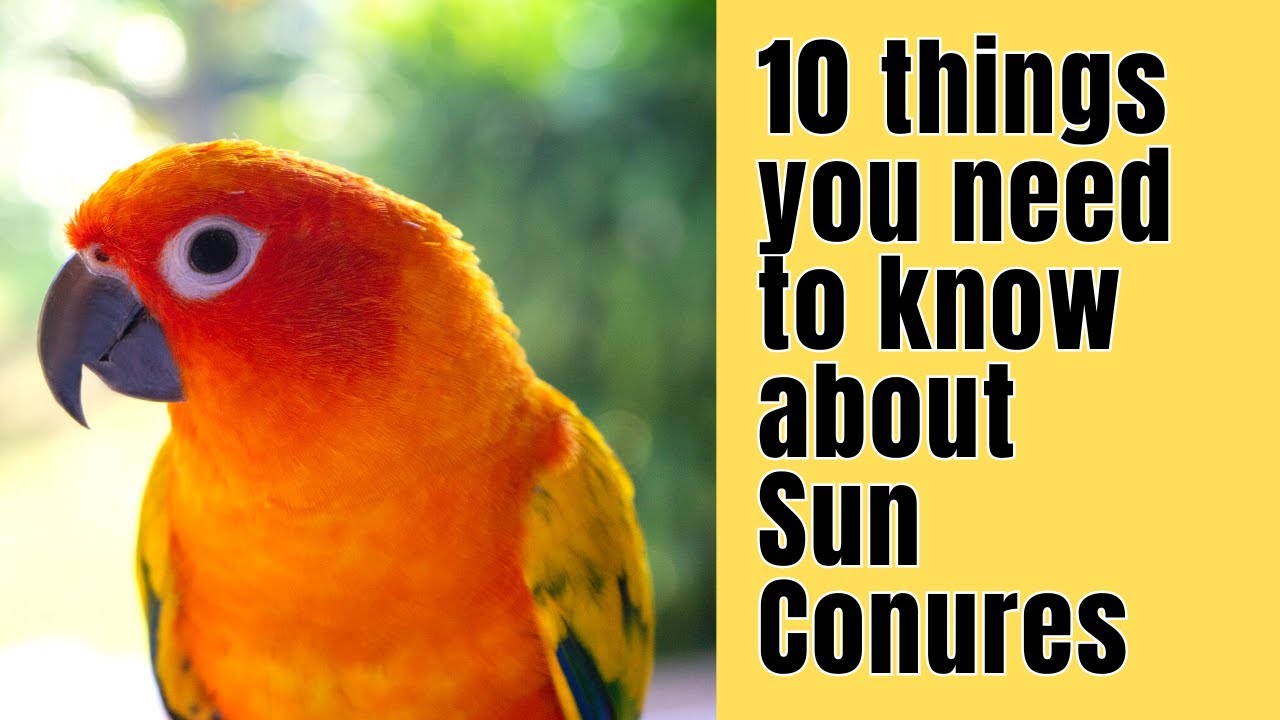
Credit: m.youtube.com
Hormonal Changes
Is your Sun Conure suddenly more aggressive? Hormonal changes could be the cause. These changes can affect behavior and mood. Understanding these hormonal shifts helps manage aggression.
Breeding Season
Sun Conures may become aggressive during breeding season. This is a natural response. They feel the urge to protect their nest. They may bite or lunge at perceived threats.
The breeding season typically occurs in spring. During this time, both male and female birds can be more territorial. Providing a calm environment can help reduce stress.
| Breeding Season | Behavior |
|---|---|
| Spring | Increased Aggression |
| Summer | Protective Behavior |
Age-related Changes
Aggression in Sun Conures can also be linked to age. Young birds may be playful. As they age, hormonal shifts can lead to mood changes.
Older birds might display aggression due to health issues. Regular vet visits can help identify any underlying problems.
- Young Birds: Playful, less aggressive
- Middle-Aged Birds: Hormonal changes, increased aggression
- Older Birds: Possible health issues, mood changes
Understanding these age-related changes helps in managing your bird’s behavior. Provide toys and mental stimulation to keep them engaged.
Training And Discipline
Understanding why your Sun Conure is aggressive can be challenging. Training and discipline are crucial for addressing this behavior. Let's explore how to manage aggression through effective training techniques.
Positive Reinforcement
Positive reinforcement is a powerful tool for training your Sun Conure. Reward good behavior with treats, praise, or extra playtime. This method encourages your bird to repeat good actions.
- Use small treats your bird loves.
- Offer verbal praise and affection.
- Provide toys or activities as rewards.
Consistency is key. Always reward good behavior immediately. This helps the bird understand which actions are desirable.
Consistency In Training
Consistency in training ensures your Sun Conure knows what to expect. Set clear rules and stick to them. Everyone in the household should follow the same guidelines.
| Rule | Action |
|---|---|
| No biting | Ignore the bird for a moment. |
| No screaming | Cover the cage briefly. |
Training sessions should be short but frequent. Aim for 10-15 minutes, twice a day. Consistency helps reinforce positive behavior and reduces aggression over time.
Seeking Professional Help
Dealing with an aggressive Sun Conure can be challenging. Seeking professional help can make a significant difference. Experts can provide guidance to understand and manage your bird's behavior.
Avian Veterinarian
An avian veterinarian specializes in bird health. They can identify any medical issues causing aggression. Birds, including Sun Conures, may act out due to pain or discomfort. An avian vet can run tests and provide a thorough examination.
Common health issues in Sun Conures:
- Hormonal changes
- Nutritional deficiencies
- Infections
- Injuries
A visit to an avian vet ensures your Sun Conure is healthy. This step is crucial before addressing behavioral issues.
Behavioral Specialist
A behavioral specialist understands bird behavior deeply. They can help identify triggers for your Sun Conure's aggression. These professionals use various techniques to modify your bird's behavior.
Services offered by behavioral specialists:
| Service | Description |
|---|---|
| Behavioral Assessment | Evaluates the bird's environment and interactions. |
| Customized Training Plan | Creates a plan tailored to your bird's needs. |
| Follow-Up Sessions | Monitors progress and adjusts the plan as needed. |
Working with a behavioral specialist can be highly effective. They provide strategies to reduce aggression and improve your Sun Conure's well-being.

Credit: www.reddit.com
Frequently Asked Questions
How Do You Stop A Conure From Being Aggressive?
To stop a conure from being aggressive, provide consistent training and positive reinforcement. Ensure proper socialization. Offer plenty of toys and mental stimulation. Avoid punishing the bird. Consult a vet or avian behaviorist if needed.
Why Is My Sun Conure Always Biting Me?
Your sun conure might be biting due to stress, boredom, or lack of socialization. Ensure proper training, enrichment, and bonding.
How Do You Train A Sun Conure Not To Bite?
Train a sun conure not to bite by using positive reinforcement. Reward good behavior with treats and praise. Consistently handle the bird gently. Avoid reacting to bites, as this can reinforce the behavior. Provide plenty of toys and mental stimulation to prevent boredom-induced biting.
How Do You Calm A Sun Conure?
To calm a sun conure, provide a quiet environment, gentle handling, and consistent routines. Offer toys and treats for engagement.
Conclusion
Understanding why your Sun Conure is aggressive can improve your bond. Identify triggers and provide appropriate training. Ensure a loving, stress-free environment. Consult an avian vet if needed. With patience and care, you can foster a happier, friendlier bird. Follow these steps to enjoy a peaceful relationship with your Sun Conure.

Viola R. Daigle
I'm Viola R. Daigle, a dedicated Internet Marketer. I work with WarriorPlus as a Vendor and Affiliate, and I’m also an Affiliate on JVZoo and Legendary Marketer. My passion is to provide honest and detailed reviews of Internet Marketing (IM) products and software. I love helping people choose the right tools and strategies to grow their online business with confidence.


