
Are Jenday Conures And Sun Conures the Same? Uncover the Truth
Jenday Conures and Sun Conures are not the same. They are different species of parrots with distinct characteristics.
Jenday Conures and Sun Conures are popular choices among bird enthusiasts. Both species belong to the Aratinga genus and share some similarities. Jenday Conures have vibrant green wings and a yellow-orange head. Sun Conures boast a more striking appearance with bright yellow, orange, and red plumage.
These differences make each bird unique and appealing in its own way. Both species are known for their playful and affectionate nature, making them great pets. Understanding their differences helps potential owners make informed choices.
Physical Characteristics
Jenday Conures and Sun Conures are vibrant parrots. Their physical characteristics can help you tell them apart. Below, we explore their color variations and size and weight.
Color Variations
Jenday Conures have a unique color palette. Their body is mostly green. They have a yellow head and neck. Their wings are blue and green. The tail is green with a blue tip.
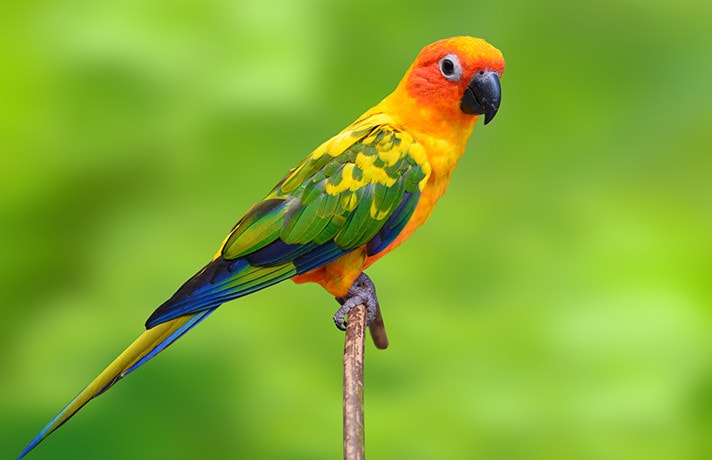
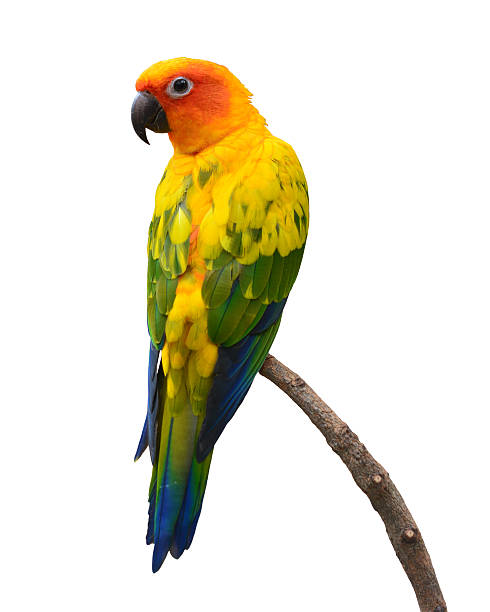
Sun Conures, on the other hand, are more colorful. They have bright yellow bodies. Their heads are orange or red. The wings are a mix of yellow and green. Their tails are green with a blue tip.
| Conure Type | Body Color | Head Color | Wing Color | Tail Color |
|---|---|---|---|---|
| Jenday Conure | Green | Yellow | Blue and Green | Green with Blue Tip |
| Sun Conure | Yellow | Orange or Red | Yellow and Green | Green with Blue Tip |
Size And Weight
Jenday Conures are typically 12 inches long. They weigh about 125 grams. Their size is compact and easy to manage.
Sun Conures are almost the same size. They also measure around 12 inches. Their weight ranges between 100 to 130 grams. They are slightly lighter than Jenday Conures.
- Jenday Conure: 12 inches, 125 grams
- Sun Conure: 12 inches, 100-130 grams
Credit: be.chewy.com
Behavior And Temperament
When comparing Jenday Conures and Sun Conures, understanding their behavior and temperament is crucial. Both species are known for their playful and affectionate nature, but there are distinct differences that potential pet owners should consider.
Social Nature
Jenday Conures are highly social birds. They thrive on interaction with their owners and other birds. They need regular socialization to stay happy and healthy. Jenday Conures can become very attached to their human companions. They enjoy being involved in daily activities.
Sun Conures are also very sociable. They form strong bonds with their owners. They are known for their loud vocalizations, which they use to communicate. Sun Conures seek attention and can get lonely without interaction. They are playful and love to show off their vibrant feathers.
Activity Levels
Both Jenday and Sun Conures are active birds. They need ample space to fly and explore. They enjoy climbing, chewing, and playing with toys.
| Conure Type | Activity Level |
|---|---|
| Jenday Conures | High - Require daily exercise and mental stimulation. |
| Sun Conures | Very High - Need plenty of toys and interaction. |
To keep both species happy, provide a variety of interactive toys and activities. Rotate their toys frequently to maintain their interest. Ensure they have a large cage to move freely. Allow them supervised out-of-cage time daily.
By understanding the behavior and temperament of Jenday and Sun Conures, potential owners can make informed decisions. Both species bring joy and companionship but require dedicated care.
Vocalization
Understanding the vocalization of Jenday Conures and Sun Conures can help bird owners manage their expectations and create a harmonious environment. Both species are known for their vocal abilities, but there are distinct differences in their noise levels and communication styles.
Noise Levels
Jenday Conures and Sun Conures are both known for their loud calls. Sun Conures tend to be louder and more frequent with their screams. Their calls can reach up to 120 decibels, similar to a rock concert. Jenday Conures are also loud but slightly less so than Sun Conures. They can reach around 100 decibels.
These noise levels mean both species are not ideal for apartments. They can disturb neighbors and family members. Owners should be prepared for daily loud calls from both types of conures.
Communication Styles
Jenday Conures often use their vocalizations to express excitement or alert their owners. They have a variety of calls, including whistles and squawks. Sun Conures are known for their piercing screams but also use softer sounds like chattering. They communicate more with body language and vocal cues.
Both species are social and use vocalizations to interact with their owners. They can mimic simple words and sounds. Training and social interaction can help manage their vocal behavior. Understanding these communication styles can improve the bond between the bird and the owner.

Credit: zoologica.wordpress.com
Dietary Needs
Jenday Conures and Sun Conures have specific dietary needs. Understanding these needs helps keep them healthy. Both birds enjoy a variety of foods, but their habits differ slightly.
Preferred Foods
Both Jenday Conures and Sun Conures love fresh fruits and vegetables. Their diets should include:
- Fruits: Apples, bananas, berries, and mangoes
- Vegetables: Carrots, spinach, and bell peppers
- Seeds: Sunflower and safflower seeds
- Pellets: High-quality commercial pellets
These foods provide essential vitamins and minerals. It is important to offer a balanced mix every day.
Feeding Habits
Jenday Conures and Sun Conures have different feeding habits. Jenday Conures prefer to eat multiple small meals. Sun Conures often eat larger meals less frequently.
Both species enjoy eating in a social setting. They like to eat with their owners and other birds. This behavior makes feeding time a bonding experience.
It is important to monitor food intake closely. Overfeeding can lead to obesity, which can cause health issues. Provide fresh water daily to keep them hydrated.
| Jenday Conures | Sun Conures |
|---|---|
| Multiple small meals | Fewer, larger meals |
| Social eaters | Social eaters |
| Variety of fruits and veggies | Variety of fruits and veggies |
By understanding their dietary needs, you can ensure your conure stays healthy and happy.
Habitat And Environment
Understanding the habitat and environment of Jenday Conures and Sun Conures helps ensure their well-being. These beautiful birds thrive in specific conditions. Let's explore their natural habitats and ideal home setups.
Natural Habitat
Jenday Conures and Sun Conures both originate from South America. Their natural habitats include tropical and subtropical forests. These areas are rich in greenery and offer plenty of food sources.
| Species | Region | Habitat |
|---|---|---|
| Jenday Conure | Brazil | Woodlands, Palm Groves |
| Sun Conure | Venezuela, Northern Brazil | Savannas, Coastal Forests |
Both species prefer areas with abundant fruit trees and water sources. They often nest in tree cavities, which provide safety and warmth.
Ideal Home Setup
Creating an ideal home setup for these conures involves mimicking their natural environment. Start with a spacious cage. Ensure it has enough room for flying and playing.
- Cage size: At least 24x24x36 inches
- Material: Stainless steel or powder-coated iron
- Bar spacing: 1/2 to 3/4 inch
Include natural perches and plenty of toys. Use non-toxic wood like manzanita or java for perches. Variety in toy textures stimulates their minds.
Provide a balanced diet similar to their wild diet. This includes:
- Fresh fruits like apples and berries
- Vegetables such as carrots and spinach
- High-quality pellets
Place the cage in a quiet, safe area. Ensure it's away from drafts and direct sunlight. Maintain a consistent temperature between 70-80°F.
By understanding their natural habitat and ideal home setup, you can keep Jenday and Sun Conures happy and healthy.
Credit: www.istockphoto.com
Health And Lifespan
Jenday Conures and Sun Conures are popular pet birds. Both have vibrant colors and playful personalities. Understanding their health and lifespan is crucial for owners.
Common Health Issues
Both Jenday and Sun Conures share similar health concerns. Regular vet check-ups are essential.
- Respiratory Problems: These birds can suffer from respiratory infections.
- Feather Plucking: Stress or boredom can lead to feather plucking.
- Psittacine Beak and Feather Disease (PBFD): A viral disease affecting feathers and beaks.
- Aspergillosis: A fungal infection that can cause respiratory issues.
Proper care and a balanced diet can prevent many issues. Clean cages and fresh water are vital.
Lifespan Expectations
Understanding the lifespan of these birds helps in long-term planning.
| Bird Type | Average Lifespan |
|---|---|
| Jenday Conure | 20 to 30 years |
| Sun Conure | 20 to 30 years |
Both Jenday and Sun Conures have similar lifespans. Proper care can extend their lives.
Provide a nutritious diet, regular vet visits, and mental stimulation. These factors ensure a healthy and long life for your conure.
Care And Maintenance
Proper care and maintenance are crucial for keeping Jenday Conures and Sun Conures healthy and happy. Both species require similar care routines. Understanding their grooming needs and daily care tips can ensure their well-being.
Grooming Requirements
- Feather Maintenance: Regularly check feathers for damage.
- Bathing: Provide a shallow dish for bathing weekly.
- Beak and Nail Trimming: Trim beaks and nails as needed.
- Wing Clipping: Consult a vet for safe wing clipping.
Daily Care Tips
- Food and Water: Refresh food and water daily.
- Social Interaction: Spend time interacting with your conure.
- Enrichment: Provide toys and activities to prevent boredom.
- Cage Cleaning: Clean the cage and change the liners daily.
- Health Check: Observe for any signs of illness daily.
| Aspect | Details |
|---|---|
| Feeding | Fresh fruits, vegetables, and pellets |
| Housing | Spacious cage with perches and toys |
| Temperature | Maintain a comfortable room temperature |
| Lighting | Provide natural light or UV light |
Choosing Between Jenday And Sun Conures
Deciding between Jenday Conures and Sun Conures can be challenging. Both parrots are colorful, playful, and social. They bring joy and life into any home. Before making a choice, consider specific factors about each bird.
Factors To Consider
Appearance: Jenday Conures have green wings and back, with a bright yellow head. Sun Conures boast vibrant yellow, orange, and red feathers. Both are stunning, but Sun Conures have a more vivid palette.
Noise Level: Both species are known for their loud calls. Sun Conures tend to be noisier than Jenday Conures. If you prefer a quieter bird, Jenday might be the better option.
Temperament: Jenday Conures are generally more relaxed and affectionate. Sun Conures are energetic and playful. Both love attention but differ in their energy levels.
Lifespan: Both Jenday and Sun Conures can live up to 30 years. Proper care and diet are essential for their longevity.
Cost: Sun Conures are usually more expensive than Jenday Conures. The price difference can be significant based on availability and location.
| Factor | Jenday Conures | Sun Conures |
|---|---|---|
| Appearance | Green wings, yellow head | Yellow, orange, red feathers |
| Noise Level | Less noisy | More noisy |
| Temperament | Relaxed, affectionate | Energetic, playful |
| Lifespan | Up to 30 years | Up to 30 years |
| Cost | Less expensive | More expensive |
Making The Final Decision
- Consider your living environment and noise tolerance.
- Think about the bird's energy level and your lifestyle.
- Evaluate your budget for the initial purchase and ongoing care.
- Research local breeders or pet stores for availability.
- Spend time with both species to see which one suits you.
Choosing between Jenday and Sun Conures involves personal preferences. Both species are beautiful and affectionate. Your choice should reflect your living situation and lifestyle.
Frequently Asked Questions
What Is The Hybrid Of Jenday And Sun Conure?
The hybrid of a Jenday and Sun Conure is called a Sunday Conure. They inherit traits from both parent species.
What Is The Friendliest Conure?
The Green-Cheeked Conure is often considered the friendliest conure. They are affectionate, playful, and enjoy social interaction.
Are Jenday Conures Cuddly?
Yes, Jenday conures are cuddly. They love attention and enjoy being close to their owners. Their affectionate nature makes them great pets.
Are Jenday Conures Rare?
Jenday conures are not rare. They are relatively common in captivity and popular as pets due to their vibrant colors and playful nature.
Conclusion
While Jenday Conures and Sun Conures share similarities, they are distinct species. Their colors and behaviors differ significantly. Understanding these differences helps in choosing the right pet. Both species make wonderful companions. Always research thoroughly before deciding. Happy bird keeping!

Viola R. Daigle
I'm Viola R. Daigle, a dedicated Internet Marketer. I work with WarriorPlus as a Vendor and Affiliate, and I’m also an Affiliate on JVZoo and Legendary Marketer. My passion is to provide honest and detailed reviews of Internet Marketing (IM) products and software. I love helping people choose the right tools and strategies to grow their online business with confidence.


