
Are Sun Conures Parrots? Discover Their True Identity
Yes, Sun Conures are parrots. They belong to the Aratinga genus and are known for their vibrant plumage.
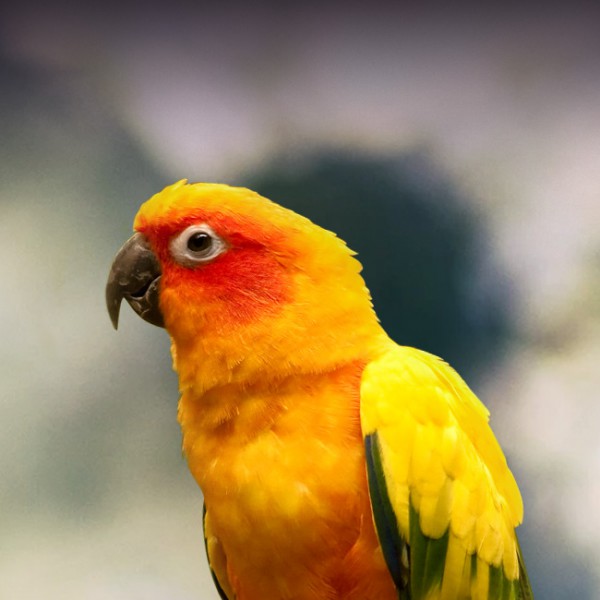
Sun Conures, also known as Sun Parakeets, are small to medium-sized parrots native to northeastern South America. These birds are renowned for their bright, multicolored feathers, which include shades of yellow, orange, green, and blue. Their striking appearance makes them popular pets among bird enthusiasts.
Sun Conures are also known for their playful and social nature. They thrive on interaction and can form strong bonds with their owners. Additionally, they are quite vocal, often mimicking sounds and engaging in loud, cheerful calls. Proper care and attention are essential to keep these intelligent birds healthy and happy.

Credit: en.wikipedia.org
Introduction To Sun Conures
Sun Conures are one of the most vibrant and social parrots. These birds are known for their bright feathers and lively personalities. If you love colorful birds, Sun Conures will amaze you.
Appearance
Sun Conures are small to medium-sized parrots. Their feathers are a mix of yellow, orange, green, and blue. The head and body are mostly yellow and orange. The wings and tail have green and blue feathers.
Adult Sun Conures have a black beak. Their eyes are surrounded by white rings. These birds are about 12 inches long. They weigh around 4 ounces. Their colorful appearance makes them stand out.
Natural Habitat
Sun Conures come from South America. They live in forests and savannas. You can find them in countries like Brazil, Guyana, and Venezuela.
They prefer warm, tropical climates. They often live in small flocks. These birds are active during the day. They spend their time flying, feeding, and playing.
Sun Conures eat fruits, nuts, and seeds. They also enjoy flowers and insects. Their diet helps them stay healthy and colorful.
Classification Of Sun Conures
Sun Conures are among the most colorful parrots. Understanding their classification helps us know them better.
Scientific Name
The scientific name of the Sun Conure is Aratinga solstitialis. Scientists use this name to identify them correctly.
Family And Genus
Sun Conures belong to the Psittacidae family. This family includes many other parrots. Their genus is Aratinga. This genus groups similar birds together.
| Classification Level | Details |
|---|---|
| Family | Psittacidae |
| Genus | Aratinga |
| Species | Aratinga solstitialis |
Sun Conures share their genus with other conures. These birds have similar traits. Recognizing their family and genus helps in bird conservation.
Sun Conures As Parrots
Sun Conures, also known as Sun Parakeets, are vibrant and colorful birds. They belong to the parrot family and are popular pets. Their playful nature and bright plumage make them stand out. Below, we explore the characteristics and common traits of Sun Conures as parrots.
Parrot Characteristics
Sun Conures exhibit typical parrot characteristics. They are known for their intelligence and social behavior. Here are some key characteristics:
- Bright Colors: Sun Conures have orange, yellow, and green feathers.
- Beak Shape: They have a strong, curved beak, perfect for cracking nuts.
- Vocalization: These birds are loud and enjoy mimicking sounds.
- Feet: They possess zygodactyl feet, with two toes facing forward and two backward.
Common Traits
Sun Conures share several common traits with other parrots. These traits make them unique and beloved pets:
- Social Nature: Sun Conures are very social and enjoy human interaction.
- Playfulness: They love to play with toys and engage in activities.
- Diet: Their diet includes fruits, vegetables, and seeds.
- Life Span: They can live up to 30 years with proper care.
Below is a table summarizing the key traits of Sun Conures:
| Trait | Description |
|---|---|
| Color | Bright orange, yellow, and green |
| Beak | Strong, curved |
| Vocalization | Loud, mimics sounds |
| Feet | Zygodactyl |
| Social Nature | Very social, loves interaction |
| Diet | Fruits, vegetables, seeds |
| Life Span | Up to 30 years |
Behavior And Temperament
Sun Conures are known for their vibrant colors and cheerful personalities. Understanding their behavior and temperament is key to a happy relationship. These parrots are social, vocal, and full of energy.
Social Nature
Sun Conures thrive on social interaction. They form strong bonds with their owners. These parrots love to be the center of attention. They often seek out human companionship and enjoy being handled. In fact, they can become quite attached to their human families.
Due to their social nature, Sun Conures do not like being left alone. They can become distressed if ignored for long periods. A lonely Sun Conure might develop negative behaviors. To keep them happy, engage in daily interaction.
Vocalization
Sun Conures are known for their loud vocalizations. They use a wide range of sounds to communicate. These parrots can scream, chirp, and mimic sounds they hear. Early morning and evening are their most vocal times.
While their loud calls can be charming, they might not suit every household. It is important to understand their noise levels before adopting one. Training can help manage excessive screaming, but it will not eliminate their natural vocal tendencies.
Diet And Nutrition
Sun Conures are vibrant and playful parrots that require a balanced diet. Proper nutrition is key to their health and well-being. Let's explore their dietary needs and feeding schedules.
Preferred Foods
Sun Conures thrive on a variety of foods. Their diet should include:
- Fruits: Apples, bananas, berries, and mangoes.
- Vegetables: Carrots, spinach, and broccoli.
- Nuts and Seeds: Almonds, sunflower seeds, and millet.
- Pellets: High-quality commercial pellets for balanced nutrition.
Avoid feeding avocados, chocolate, and caffeine. These can be toxic to Sun Conures.
Feeding Schedule
Maintaining a consistent feeding schedule is important. Follow this simple routine:
| Time | Meal |
|---|---|
| Morning | Fresh fruits and vegetables |
| Afternoon | Pellets and seeds |
| Evening | Small portion of nuts |
Provide fresh water daily. Clean the feeding dishes regularly to prevent infections.
Credit: lafeber.com
Care And Maintenance
Sun Conures are vibrant parrots that need special care and attention. Their colorful feathers and playful nature make them a favorite pet. Proper care and maintenance ensure they stay happy and healthy. This section will cover essential care tips for Sun Conures.
Cage Setup
The cage is the Sun Conure's home. It should be spacious. A suitable cage size is at least 24x24x30 inches. The bars should be sturdy. Place the cage in a well-lit area. Avoid direct sunlight and drafts.
Include perches of different sizes. This helps exercise their feet. Add toys for mental stimulation. Rotate the toys weekly to keep them engaged. Ensure the cage has a secure lock. Sun Conures are smart and can open simple locks.
| Item | Details |
|---|---|
| Cage Size | 24x24x30 inches minimum |
| Perches | Different sizes |
| Toys | Rotate weekly |
| Lock | Secure and strong |
Grooming Needs
Sun Conures need regular grooming. This includes nail clipping and beak trimming. Check their nails monthly. Overgrown nails can cause discomfort. Use bird-safe nail clippers.
Beak trimming is also important. Provide cuttlebones or mineral blocks. These help keep their beak in shape. Sun Conures enjoy baths. Offer a shallow dish of water twice a week. They will splash around and clean themselves.
- Check nails monthly
- Provide cuttlebones or mineral blocks
- Offer a shallow dish of water twice a week
Health Concerns
Sun Conures are vibrant and social parrots. Yet, they can face health issues. Understanding these concerns helps ensure a long, happy life for your pet.
Common Illnesses
Sun Conures can suffer from various illnesses. Knowing the signs is crucial.
| Illness | Symptoms |
|---|---|
| Psittacosis | Respiratory issues, lethargy, weight loss |
| Feather Plucking | Bald patches, excessive grooming |
| Aspergillosis | Breathing difficulties, nasal discharge |
Preventive Measures
Keeping your Sun Conure healthy involves preventive care. Follow these simple steps:
- Provide a balanced diet with fresh fruits and vegetables.
- Ensure a clean and spacious cage.
- Schedule regular vet check-ups.
- Offer mental stimulation with toys and social interaction.
- Monitor for any changes in behavior or appearance.
Sun Conures In Captivity
Sun Conures, also known as Sun Parakeets, are colorful and vibrant parrots. They are popular pets due to their friendly nature and striking appearance. In captivity, these birds can thrive with proper care and attention. This section will explore how Sun Conures adapt to captive environments and interact with humans.
Adaptability
Sun Conures are highly adaptable birds. They can adjust to various living conditions. However, their cage must be spacious. A large cage allows them to move freely. Include perches and toys to keep them entertained. Ensure the cage is placed in a well-lit area. Avoid placing it in direct sunlight. Regular cleaning of the cage is essential. This prevents any health issues.
A balanced diet is crucial for their well-being. Fresh fruits, vegetables, and pellets are ideal. Avoid feeding them avocado and chocolate. These can be toxic to them. Clean, fresh water should always be available. Sun Conures need social interaction. They thrive on human attention and companionship.
Interaction With Humans
Sun Conures are known for their playful nature. They enjoy interacting with their owners. Spending time with them daily strengthens bonds. They can mimic sounds and words. Training them with simple commands is possible. Use positive reinforcement techniques. Treats and praises work well.
These birds are social creatures. They dislike being alone for long periods. Provide them with plenty of attention. Toys and puzzles can keep them occupied. Rotate toys to prevent boredom. Regular vet check-ups are necessary. This ensures they remain healthy and happy.
| Aspect | Recommendations |
|---|---|
| Cage Size | Large, spacious cage with perches and toys |
| Diet | Fresh fruits, vegetables, and pellets |
| Social Interaction | Daily attention and companionship |
| Health | Regular vet check-ups |
- Colorful and vibrant parrots
- Friendly nature and striking appearance
- Highly adaptable
- Spacious cage with perches and toys
- Balanced diet essential
- Enjoy human interaction
- Dislike being alone
- Regular vet check-ups
:strip_icc()/GettyImages-545003266-58a6e9175f9b58a3c918f24c.jpg)
Credit: www.thesprucepets.com
Frequently Asked Questions
Is A Sun Conure Considered A Parrot?
Yes, a sun conure is a type of parrot. They are known for their vibrant colors and playful nature.
Does Sun Conure Parrot Talk?
Yes, sun conure parrots can talk, but their vocabulary is limited. They mimic sounds and words with training.
Are Sun Conures A Good Pet?
Yes, sun conures make great pets. They are friendly, colorful, and love social interaction. They require attention and care.
Is A Conure A Parrot Or Parakeet?
A conure is a small to medium-sized parrot. It is not a parakeet.
Conclusion
Sun Conures are indeed parrots, known for their vibrant colors and social nature. They make excellent pets for bird enthusiasts. Understanding their needs ensures a happy and healthy companion. With proper care, these lively birds can bring joy to any household.
Explore their world and enjoy their cheerful presence.

Viola R. Daigle
I'm Viola R. Daigle, a dedicated Internet Marketer. I work with WarriorPlus as a Vendor and Affiliate, and I’m also an Affiliate on JVZoo and Legendary Marketer. My passion is to provide honest and detailed reviews of Internet Marketing (IM) products and software. I love helping people choose the right tools and strategies to grow their online business with confidence.


