
Can Sun Conures Eat Oranges?: Nutritional Benefits & Risks

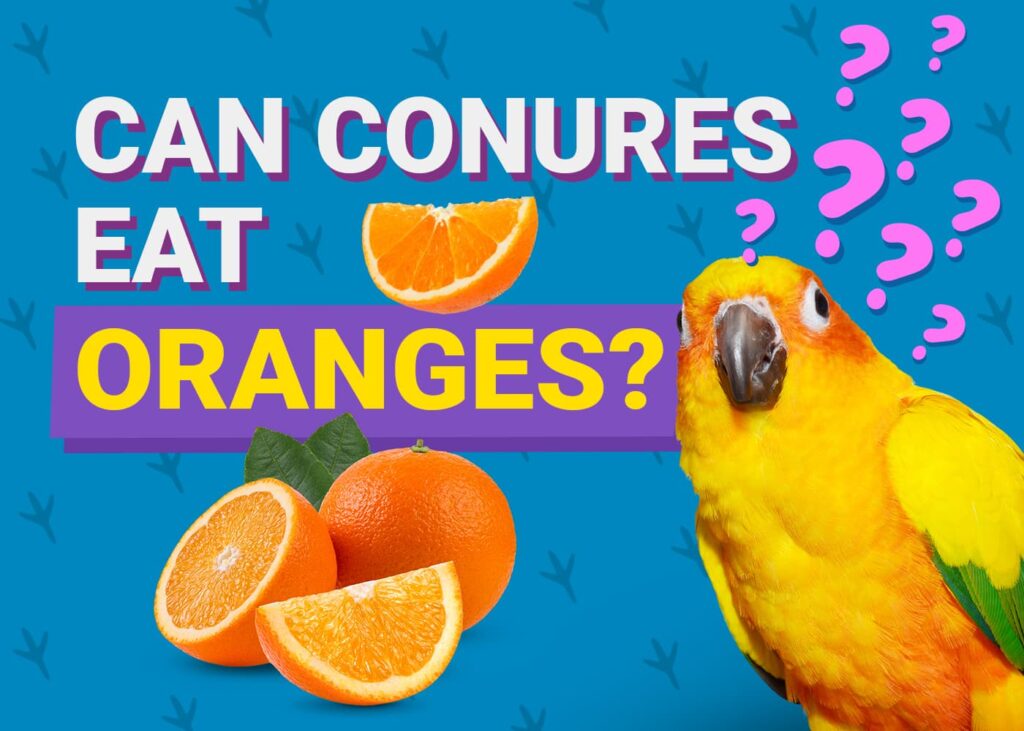
Yes, sun conures can eat oranges. These fruits offer essential vitamins and nutrients for their health.
Oranges provide a rich source of vitamin C, which boosts the immune system of sun conures. These vibrant fruits also contain fiber, aiding in digestion and maintaining a healthy gut. Feeding small, manageable portions of orange to your sun conure can enhance its diet and overall well-being.
Always ensure to remove any seeds and peel, as they might pose a choking hazard. Introducing oranges occasionally can offer a refreshing variety to their regular diet. Remember to balance their fruit intake with other nutritional foods to ensure a well-rounded diet.
Introduction To Sun Conures
Sun Conures are vibrant and colorful parrots. They are known for their bright plumage and playful nature. These birds are popular pets due to their friendly demeanor.
Brief Overview
Sun Conures are medium-sized parrots. They are native to South America. Their feathers are a mix of orange, yellow, and green. These birds are very social and need interaction. They can live up to 30 years with proper care.
Dietary Needs
Sun Conures require a balanced diet. Their diet should include:
- Fresh fruits
- Vegetables
- Pellets
- Seeds
| Food Type | Examples | Frequency |
|---|---|---|
| Fruits | Oranges, apples, berries | Daily |
| Vegetables | Carrots, spinach, broccoli | Daily |
| Pellets | Commercial bird pellets | Daily |
| Seeds | Sunflower seeds, millet | Occasionally |
Oranges are safe for Sun Conures to eat. They are rich in vitamins. Always remove the seeds before feeding. Offer oranges in small amounts to avoid stomach upset.

Credit: www.reddit.com
Nutritional Profile Of Oranges
Oranges are a delightful fruit packed with nutrients. They offer a range of health benefits. Understanding the nutritional profile of oranges is crucial. It helps in making informed dietary choices for your Sun Conure.
Vitamins And Minerals
Oranges are rich in vitamins and minerals. They are especially high in Vitamin C. This vitamin boosts the immune system. It helps in the repair of tissues and the absorption of iron.
Here’s a breakdown of the vitamins and minerals in oranges:
| Nutrient | Amount per 100g |
|---|---|
| Vitamin C | 53.2 mg |
| Vitamin A | 225 IU |
| Calcium | 40 mg |
| Potassium | 181 mg |
Caloric Content
Oranges are low in calories. They are a good choice for a balanced diet. A typical orange has about 47 calories per 100 grams. This makes them a healthy snack option for Sun Conures.
Here’s a detailed look at the caloric content:
- Carbohydrates: 11.75 g
- Proteins: 0.94 g
- Fats: 0.12 g
These nutrients provide energy and support overall health. Including oranges in a Sun Conure’s diet can be beneficial. But, always consult with an avian vet before making any changes.
Health Benefits For Sun Conures
Sun Conures are vibrant and energetic parrots. Ensuring their diet is nutritious is essential. One question many bird owners ask is, can Sun Conures eat oranges? Yes, they can! Oranges offer many health benefits for Sun Conures.
Boosting Immunity
Oranges are rich in Vitamin C. This vitamin helps to boost the bird's immune system. A strong immune system helps the bird fight off diseases. Adding oranges to their diet can help keep them healthy.
Improving Feather Health
Oranges also contain Vitamin A. This vitamin is crucial for feather health. Bright and healthy feathers are a sign of a healthy bird. A diet rich in Vitamin A can help maintain beautiful feathers.
| Benefits | Key Nutrient |
|---|---|
| Boosting Immunity | Vitamin C |
| Improving Feather Health | Vitamin A |
Incorporating oranges into your Sun Conure's diet can provide essential nutrients. These nutrients are vital for their overall health and well-being.

Credit: www.poodlesandparrots.com
Potential Risks Of Oranges
Oranges are a favorite fruit for many. They are juicy and sweet. But feeding them to Sun Conures has some risks. Let's explore these risks below.
Excessive Sugar
Oranges contain natural sugars. Too much sugar can harm your Sun Conure. Birds have small bodies. High sugar can lead to weight gain. It may also cause diabetes. Keep an eye on the sugar intake.
Citrus Acidity
Oranges are citrus fruits. They have high acidity. Citrus acidity can upset your bird's stomach. It can lead to digestive problems. Too much acid is not good for birds. Always feed in moderation.
Safe Feeding Practices
Sun Conures love oranges, but feeding them correctly is key. Let's explore safe feeding practices to keep your feathered friend healthy.
Portion Control
Oranges are rich in vitamins but high in sugar. Too much can harm your Sun Conure. Feed them small pieces, about the size of a dime.
- Offer one or two small pieces of orange at a time.
- Remove any seeds before feeding, as seeds can be toxic.
- Monitor your bird to ensure they don't overeat.
Frequency Of Feeding
Fruit should be part of a balanced diet. Oranges should be an occasional treat.
| Food Type | Recommended Frequency |
|---|---|
| Oranges | 1-2 times per week |
| Other Fruits | 3-4 times per week |
| Vegetables | Daily |
This balance ensures your Sun Conure gets all necessary nutrients.
Alternative Fruits For Sun Conures
Sun Conures love to munch on various fruits. Oranges are safe for them. But there are many other delicious fruits they can enjoy. This section explores some great options.
Other Citrus Options
Sun Conures can eat other citrus fruits too. Here are a few:
- Mandarins: These are sweet and easy to peel.
- Tangerines: Similar to mandarins, but a bit tangier.
- Grapefruits: Ensure you remove seeds and give in moderation.
Non-citrus Choices
Non-citrus fruits are also great for Sun Conures. Here are some options:
- Apples: Remove seeds before serving.
- Bananas: Easy to eat and full of nutrients.
- Blueberries: These are small and packed with antioxidants.
- Grapes: Cut them in half to prevent choking.
Feeding your Sun Conure a variety of fruits ensures a balanced diet. Always introduce new fruits slowly.
Signs Of Allergies Or Issues
Feeding your Sun Conure oranges can be healthy, but it's important to watch for signs of allergies or issues. Birds, like humans, can have adverse reactions to certain foods. Knowing what to look for can help you keep your feathered friend safe and healthy.
Behavioral Changes
Watch for behavioral changes in your Sun Conure after eating oranges. If your bird seems unusually lethargic or hyperactive, this could be a sign of an issue. Pay attention to any changes in eating or drinking habits. If your bird starts to avoid food or water, this may indicate discomfort. Behavioral changes can be subtle, so careful observation is key.
Physical Symptoms
Look for physical symptoms that indicate an allergic reaction. Common signs include:
- Swelling around the eyes or beak
- Redness or irritation on the skin
- Feather plucking or loss
- Diarrhea or changes in droppings
- Labored breathing or wheezing
If you notice any of these symptoms, consult a veterinarian immediately. It’s crucial to address any allergic reactions promptly to avoid serious health issues.
| Symptom | Description |
|---|---|
| Swelling | Noticeable around eyes or beak |
| Redness | Skin irritation or inflammation |
| Feather Loss | Unusual plucking or bald spots |
| Diarrhea | Loose or watery droppings |
| Labored Breathing | Difficulty in breathing or wheezing |
Consulting A Veterinarian
Sun Conures are bright, beautiful birds. They need a balanced diet to stay healthy. Oranges can be a part of their diet. But it is important to consult a veterinarian. A vet can give you the best advice for your Sun Conure's health. They can guide you on how much orange to give and how often.
When To Seek Help
Always seek help if your Sun Conure shows unusual behavior. Signs of distress include:
- Loss of appetite
- Changes in droppings
- Feather plucking
- Excessive thirst
These signs could mean your bird is not feeling well. Oranges might not be the cause, but it is best to check. Call your vet if you notice any of these symptoms.
Regular Health Check-ups
Regular health check-ups are vital for your Sun Conure. They help catch any health issues early. Your vet can also guide you on the best diet for your bird. They will examine:
- Weight and overall condition
- Feathers and skin health
- Beak and claw condition
- Respiratory and digestive health
Discuss your Sun Conure's diet during these visits. Ask about safe fruits and portion sizes. Oranges are nutritious but should be given in moderation. Your vet knows the best balance for your bird.
Credit: pangovet.com
Frequently Asked Questions
What Fruits Can Sun Conures Not Eat?
Sun conures should not eat avocado, chocolate, caffeine, alcohol, onions, garlic, apple seeds, and pits from cherries, peaches, and plums.
Is Orange Safe For Birds?
Yes, oranges are safe for birds. They provide essential vitamins and hydration. Always remove seeds and offer in moderation.
Can Conures Eat Mandarins?
Yes, conures can eat mandarins. They provide essential vitamins and minerals. Offer mandarins in moderation to avoid digestive issues. Remove seeds and peel before feeding.
How Much Orange Can I Give My Parrot?
Offer your parrot a few small orange slices weekly. Remove seeds and avoid overfeeding to prevent digestive issues.
Conclusion
Sun Conures can safely enjoy oranges in moderation. These fruits offer essential vitamins and hydration. Always remove seeds and limit portions. A balanced diet is crucial for their health. Treat your feathered friend with care and variety. Keep their meals fresh and nutritious for a happy, healthy Sun Conure.

Viola R. Daigle
I'm Viola R. Daigle, a dedicated Internet Marketer. I work with WarriorPlus as a Vendor and Affiliate, and I’m also an Affiliate on JVZoo and Legendary Marketer. My passion is to provide honest and detailed reviews of Internet Marketing (IM) products and software. I love helping people choose the right tools and strategies to grow their online business with confidence.


