
Can Sun Conures Eat Pumpkin?: Uncover the Surprising Truth
Yes, sun conures can eat pumpkin. It is safe and nutritious for them in moderation.
Sun conures enjoy a varied diet that includes fruits, vegetables, and seeds. Pumpkin is a healthy addition to their meals, providing essential vitamins and nutrients. Rich in vitamin A, pumpkin supports eye health and boosts the immune system. It also contains fiber, aiding in digestion.
Always serve pumpkin in small, manageable pieces to prevent choking. Avoid adding any spices or sweeteners, as these can be harmful. Fresh, raw, or cooked pumpkin is suitable, but avoid canned versions with additives. By incorporating pumpkin into their diet, you can enhance your sun conure's overall well-being and happiness.
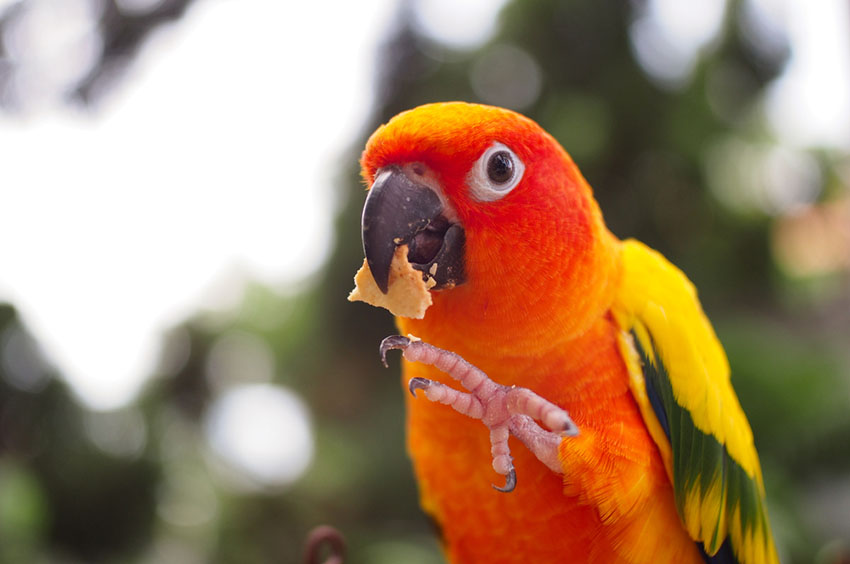
Credit: www.omlet.us
Introduction To Sun Conures
Sun Conures are colorful, energetic, and friendly parrots. They are popular pets for many bird lovers. Known for their bright feathers, these birds are also intelligent and social. They need a balanced diet to stay healthy and happy.
Brief Overview
Sun Conures, also known as Aratinga solstitialis, are native to South America. They thrive in warm climates and love tropical forests. These birds are medium-sized, with a vibrant mix of yellow, orange, and green feathers. Sun Conures are known for their playful behavior and loud calls.
Natural Diet
In the wild, Sun Conures have a varied diet. Their natural diet includes:
- Fruits
- Seeds
- Nuts
- Berries
- Flowers
A balanced diet is essential for their well-being. Pet Sun Conures should have a diet similar to their natural foods.
Can Sun Conures Eat Pumpkin?
Pumpkin is safe for Sun Conures. It provides important nutrients:
| Nutrient | Benefit |
|---|---|
| Vitamin A | Good for vision and immunity |
| Fiber | Aids in digestion |
| Antioxidants | Helps in overall health |
Feed them fresh, cooked, or raw pumpkin. Avoid adding any spices or sugar.
Credit: www.quora.com
Nutritional Benefits Of Pumpkin
Pumpkin is a tasty and healthy treat for Sun Conures. It offers many important nutrients that help keep your bird healthy and happy. Let's explore the key benefits of pumpkin for Sun Conures.
Vitamins And Minerals
Pumpkin is rich in vitamins and minerals. It has Vitamin A, which is good for eyesight and skin health. Vitamin A also helps with the immune system. Sun Conures need this vitamin to stay healthy.
Pumpkin also contains Vitamin C. This vitamin helps Sun Conures heal wounds faster. It also strengthens their immune system. Another important nutrient in pumpkin is potassium. Potassium helps in muscle function and heart health.
| Vitamin/Mineral | Benefits |
|---|---|
| Vitamin A | Better eyesight, skin health, and immunity |
| Vitamin C | Faster healing and stronger immune system |
| Potassium | Muscle function and heart health |
Fiber Content
Pumpkin is a good source of fiber. Fiber helps in digestion. It keeps the digestive system healthy. Sun Conures need fiber to avoid digestive issues.
Feeding your bird pumpkin can help prevent constipation. It also helps in maintaining a healthy weight. Fiber keeps your bird feeling full. This reduces the chances of overeating.
- Improves digestion
- Prevents constipation
- Helps in maintaining a healthy weight
In summary, pumpkin offers many nutritional benefits for Sun Conures. It provides essential vitamins and minerals. It is also high in fiber, aiding in digestion and weight management. Consider adding pumpkin to your Sun Conure’s diet for a healthy and happy bird.
Is Pumpkin Safe For Sun Conures?
Sun Conures are colorful and lively birds. Many bird owners wonder about safe foods for their pets. One common question is: can Sun Conures eat pumpkin? Let's explore if pumpkin is safe for these beautiful birds.
Potential Risks
While pumpkin is healthy, it can pose some risks to Sun Conures. Too much pumpkin can cause digestive issues. It may lead to diarrhea or upset stomach. Always monitor your bird's reaction when introducing new foods.
Another risk is pumpkin seeds. They can be a choking hazard. Always remove seeds before feeding pumpkin to your bird. Also, avoid feeding raw pumpkin skin. It can be hard for birds to digest.
Safe Preparations
To safely feed pumpkin to Sun Conures, follow these steps:
- Cook the pumpkin: Boil or steam it until soft.
- Remove seeds and skin: Only feed the soft flesh.
- Cut into small pieces: Ensure bite-sized for easy eating.
Here is a simple table for quick reference:
| Steps | Description |
|---|---|
| Cook the pumpkin | Boil or steam until soft. |
| Remove seeds and skin | Only feed the soft flesh. |
| Cut into small pieces | Ensure bite-sized for easy eating. |
Incorporate pumpkin into your bird's diet carefully. It should be a treat, not a main food. Balance is key to a healthy diet for Sun Conures.
Feeding Pumpkin To Sun Conures
Sun Conures are vibrant and playful birds. Their diet needs to be varied and nutritious. Pumpkin is a great addition to their diet. It provides essential vitamins and minerals. But, how do you properly feed pumpkin to your Sun Conure? Let's explore this.
Portion Sizes
It's important to feed pumpkin in the right amounts. Too much can upset their stomachs. Start with small pieces. A tablespoon-sized portion is ideal for an adult Sun Conure.
| Age of Sun Conure | Portion Size |
|---|---|
| Young (under 1 year) | 1 teaspoon |
| Adult (1 year and older) | 1 tablespoon |
Frequency
Feeding frequency is another key factor. Pumpkin should be an occasional treat. It's best to offer it twice a week. This keeps their diet balanced and varied.
- Monday: 1 tablespoon
- Thursday: 1 tablespoon
Always remove uneaten pumpkin after a few hours. This prevents spoilage and keeps your bird healthy.
Pumpkin Recipes For Sun Conures
Sun Conures love to munch on tasty treats. Pumpkins are nutritious and safe for them. They provide vitamins and minerals. Here are some simple pumpkin recipes your Sun Conure will enjoy.
Simple Pumpkin Mash
This recipe is easy to prepare and highly nutritious.
- Ingredients:
- 1 cup of cooked pumpkin
- 1 teaspoon of honey
- Steps:
- Mash the cooked pumpkin until smooth.
- Add the teaspoon of honey.
- Mix well and let it cool.
- Serve a small portion to your Sun Conure.
Pumpkin And Seed Mix
This recipe combines pumpkin with seeds for added nutrition.
- Ingredients:
- 1/2 cup of cooked pumpkin
- 1/4 cup of mixed seeds (sunflower, flax, chia)
- Steps:
- Cut the cooked pumpkin into small pieces.
- Mix the pumpkin pieces with the seeds.
- Stir until the seeds are evenly distributed.
- Place in a feeding dish and serve.
Pumpkin And Seed Mix
This recipe combines pumpkin with seeds for added nutrition.
| Ingredients | Steps |
|---|---|
|
|

Credit: www.youtube.com
Signs Of Allergies Or Issues
Sun Conures can enjoy pumpkins, but some may develop allergies or issues. It's important to spot these signs early. This section will help you understand what to look for and when to seek professional help.
Common Symptoms
If your Sun Conure eats pumpkin, watch for common allergy signs. Symptoms can include:
- Swollen eyes or beak
- Watery eyes
- Feather plucking
- Constant sneezing
- Diarrhea
Behavioral changes are also key signs. Look for unusual aggression or lethargy. Your bird might scratch itself more often. These are all signs that your Sun Conure might be allergic.
When To Consult A Vet
Knowing when to consult a vet can save your bird's life. Contact your vet if:
- Symptoms persist for more than a day
- Your bird stops eating or drinking
- You notice rapid weight loss
- There are signs of respiratory distress
- Diarrhea lasts more than 24 hours
A vet can perform tests to confirm allergies. They will offer treatment options to ease symptoms. Always have your vet's contact information handy.
Other Safe Foods For Sun Conures
Sun Conures are colorful, lively parrots that love a varied diet. Besides pumpkin, they can enjoy many safe foods. This ensures they get all the nutrients they need. Let's explore some of these foods.
Fruits And Vegetables
Fruits and vegetables are great for Sun Conures. They provide vitamins and minerals. Here are some safe options:
- Apples: Remove the seeds before feeding.
- Carrots: Rich in vitamin A, serve them raw or cooked.
- Blueberries: High in antioxidants, serve them fresh.
- Spinach: Provides iron and calcium, serve in small amounts.
Protein Sources
Protein is vital for Sun Conures' health. Here are some safe protein sources:
- Eggs: Boiled eggs are an excellent source of protein.
- Chicken: Cooked chicken without seasoning is good.
- Beans: Cooked beans offer plant-based protein.
- Quinoa: This grain is high in protein and easy to digest.
Ensuring a balanced diet for your Sun Conure is essential. Provide a mix of these foods regularly. They will keep your bird healthy and happy.
Frequently Asked Questions
Can Conures Eat Raw Pumpkin?
Yes, conures can eat raw pumpkin. It is safe and nutritious for them. Always remove seeds and rind before serving.
How To Prepare Pumpkin For Parrots?
Wash and peel the pumpkin. Remove seeds and cut into small, parrot-friendly pieces. Steam or bake until soft. Cool before serving.
What Vegetables Can Sun Conures Eat?
Sun conures can eat carrots, bell peppers, broccoli, spinach, kale, peas, zucchini, and sweet potatoes. Ensure vegetables are fresh and clean. Avoid feeding avocado, as it is toxic to birds.
Do Birds Like Raw Pumpkin?
Yes, many birds enjoy raw pumpkin. It provides essential nutrients and can be a healthy treat.
Conclusion
Pumpkin can be a healthy treat for your Sun Conure. It's rich in vitamins and minerals. Always introduce new foods gradually and observe for any reactions. Moderation is key to a balanced diet. Consult your vet if unsure. Your feathered friend will likely enjoy this nutritious addition!

Viola R. Daigle
I'm Viola R. Daigle, a dedicated Internet Marketer. I work with WarriorPlus as a Vendor and Affiliate, and I’m also an Affiliate on JVZoo and Legendary Marketer. My passion is to provide honest and detailed reviews of Internet Marketing (IM) products and software. I love helping people choose the right tools and strategies to grow their online business with confidence.


