
Do Sun Conures Mate for Life? Uncover the Fascinating Truth

Yes, Sun Conures typically mate for life. They form strong, lifelong bonds with their chosen partners.
Sun Conures are vibrant, social parrots known for their affectionate nature and striking colors. Native to South America, these birds thrive in pairs or small groups. Their tendency to mate for life makes them unique among pet birds. This strong bond extends to their behavior, as mated pairs often engage in mutual grooming and feeding.
Their loyalty to their partners is evident in their interactions and care for their offspring. Sun Conures' commitment to their mates enhances their appeal to bird enthusiasts, making them a popular choice for those seeking a devoted and interactive avian companion.
Introduction To Sun Conures
Sun Conures are bright, colorful birds. They are famous for their vibrant plumage and playful nature. These birds bring joy with their lively behavior and cheerful sounds. In this section, learn about their unique characteristics and lifestyle.
Overview Of Sun Conures
Sun Conures belong to the parrot family. They are small to medium-sized birds. They have a striking mix of yellow, orange, and green feathers. Their scientific name is Aratinga solstitialis.
| Characteristic | Detail |
|---|---|
| Size | 12 inches long |
| Lifespan | 20 to 30 years |
| Weight | 100 to 130 grams |
| Color | Yellow, orange, green |
Natural Habitat And Behavior
Sun Conures live in tropical forests. They are native to South America. They are found in countries like Brazil, Venezuela, and Guyana.
- They live in flocks of 20 to 30 birds.
- They are social and communicate with loud calls.
- They eat fruits, nuts, and seeds.
These birds are active and playful. They enjoy flying and exploring their surroundings. They also form strong bonds with their mates and flock members.

Credit: www.reddit.com
Mating Habits
Sun Conures are vibrant and social birds. Their mating habits are fascinating. These habits include various rituals and bonding processes. This section explores their courtship and pair bonding in detail.
Courtship Rituals
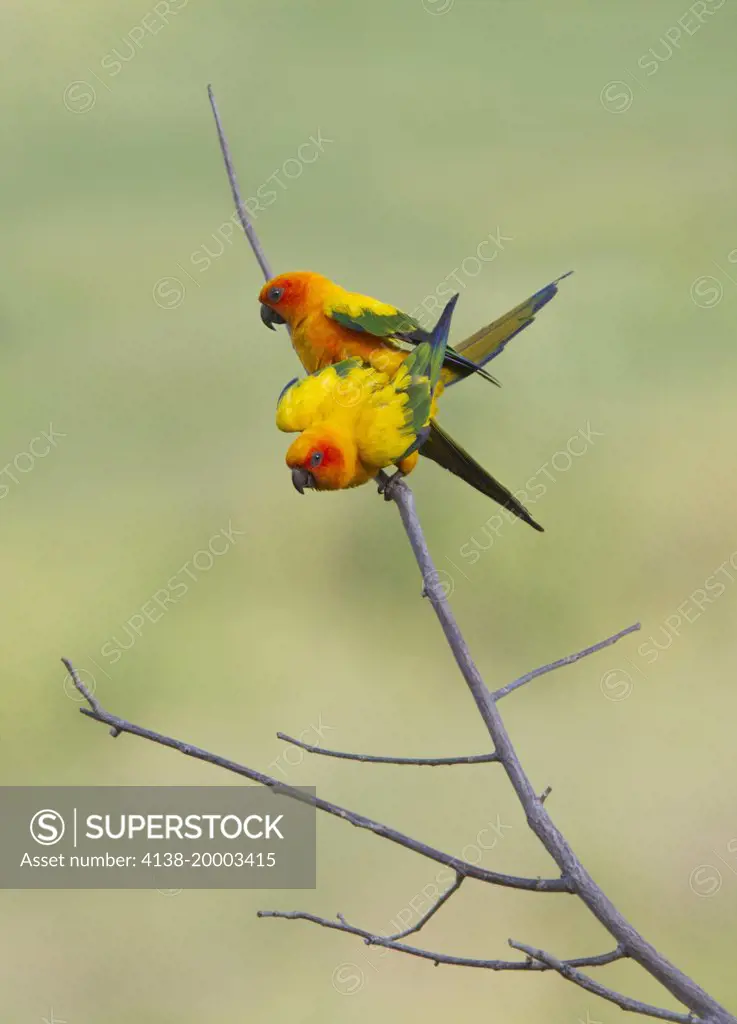
During courtship, Sun Conures perform unique rituals. Males and females engage in mutual grooming. They feed each other as a sign of affection. This feeding is called "courtship feeding." It strengthens their bond. Another ritual includes synchronized flying. They fly together in beautiful patterns. These behaviors help them choose a suitable mate.
Pair Bonding Process
Once a pair is formed, they begin the bonding process. They spend most of their time together. Nest building is a significant activity. They choose a safe and cozy spot. Both partners work to build the nest. Communication is crucial during this period. They use specific calls to stay connected. This pair bonding ensures a strong relationship. It often lasts for their entire lives.
Do They Mate For Life?
Sun Conures are beautiful, colorful birds. People often wonder if they mate for life. This section explores their mating habits and lifelong bonds.
Monogamous Tendencies
Sun Conures display strong monogamous tendencies. They usually pick one partner and stay loyal. These birds form tight bonds with their chosen mate.
Once paired, they engage in mutual grooming and feeding. This strengthens their bond. They also share responsibilities in raising their young.
Factors Influencing Lifelong Bonds
Several factors influence their lifelong bonds. These include:
- Environment: A stable environment helps maintain their bond.
- Social Interaction: Frequent interaction with their mate solidifies the relationship.
- Health: Good health ensures they can stay together longer.
Sun Conures in captivity often form strong lifelong bonds. Proper care and socialization play crucial roles.
In the wild, their bonds face more challenges. Predators and environmental changes can impact their relationships.
| Factors | Impact on Bonds |
|---|---|
| Environment | Stable environments support lifelong bonds. |
| Social Interaction | Frequent interaction strengthens relationships. |
| Health | Good health helps maintain long-term bonds. |
Understanding these factors can help bird owners create the best conditions for their Sun Conures.
Parental Roles
Sun Conures are known for their vibrant colors and strong bonds. These birds often form lifelong partnerships. Parental roles play a critical part in their life, ensuring the survival of their chicks. Both the male and female share responsibilities, from nesting to feeding.
Nesting And Incubation
Sun Conures build their nests in tree cavities. The female lays 3 to 5 eggs. Both parents take turns incubating the eggs. This process usually takes about 23 to 27 days. During this time, the male brings food to the female. This keeps her nourished and able to keep the eggs warm.
Feeding And Caring For Chicks
Once the chicks hatch, both parents feed them. They regurgitate food to nourish their young. This ensures the chicks get the nutrients they need to grow. The feeding process continues for about 8 weeks. During this period, the chicks start to develop feathers and learn to fly.
In the table below, we outline the key stages of chick development:
| Stage | Duration | Key Activities |
|---|---|---|
| Incubation | 23-27 days | Parents take turns warming the eggs |
| Hatching | Day 1 | Chicks break out of their shells |
| Feeding | 8 weeks | Parents regurgitate food to feed chicks |
| Fledging | 8-10 weeks | Chicks learn to fly and become independent |
During the fledging stage, the parents encourage the chicks to leave the nest. This helps them gain independence. The parental roles of Sun Conures ensure the chicks grow healthy and strong.
Impact Of Captivity
Sun Conures are known for their vibrant colors and social nature. Captivity can significantly impact their mating behavior and overall well-being. This section explores how living in captivity affects their bonding and the challenges they face.
Bonding In Captive Environments
In the wild, Sun Conures form strong, lifelong bonds with their mates. These bonds are essential for their emotional health. In captivity, these birds can still form strong bonds, but the environment plays a crucial role.
Bird owners must provide a stimulating and safe environment. This includes:
- Adequate space for flying and playing
- Enrichment activities like toys and puzzles
- Regular social interaction with humans and other birds
These factors help mimic their natural habitat and support their bonding process.
Challenges Faced
Captivity presents several challenges that can impact Sun Conures' mating behavior. These challenges include:
- Limited space: Small cages can restrict movement and cause stress.
- Lack of privacy: Constant human interaction may disrupt their natural behavior.
- Dietary issues: Inadequate nutrition can affect their overall health and mating readiness.
- Boredom: Without proper enrichment, birds can become bored and depressed.
Addressing these challenges is crucial for maintaining their well-being in captivity. Providing a suitable environment can help them thrive and maintain their natural behaviors.
| Factor | Impact on Bonding |
|---|---|
| Space | Limited space can cause stress and hinder bonding. |
| Privacy | Lack of privacy can disrupt natural behaviors. |
| Nutrition | Poor diet affects health and mating readiness. |
| Enrichment | Proper enrichment prevents boredom and depression. |
Comparisons With Other Parrots
Sun Conures are known for their vibrant colors and playful nature. But do they mate for life? This question often arises among bird enthusiasts. It's essential to compare Sun Conures with other parrot species to understand their mating behavior better. We'll explore the similarities and differences, and present some case studies.
Similarities And Differences
Many parrot species exhibit strong pair bonds, but not all mate for life. Here are some key points:
- Sun Conures: Often form long-term bonds, showing affection and loyalty.
- African Grey Parrots: Known for their intelligence, they sometimes form lifelong pairs.
- Lovebirds: Their name says it all; they typically mate for life.
- Macaws: Larger parrots that also form strong bonds, though not always for life.
Let's break down the differences:
| Species | Bond Type |
|---|---|
| Sun Conures | Often long-term, but not always lifelong |
| African Grey Parrots | Sometimes lifelong |
| Lovebirds | Typically lifelong |
| Macaws | Strong bonds, not always lifelong |
Case Studies
Several studies highlight the bonding behaviors of parrots:
- Study on Sun Conures: Researchers found that 75% of Sun Conures form long-term bonds.
- Lovebird Study: Nearly all Lovebirds studied were observed to mate for life.
- Macaw Research: Macaws show strong bonds, but only 50% mate for life.
These studies provide valuable insights into the mating behaviors of these parrots. Understanding these behaviors can help bird owners provide better care for their feathered friends.
Caring For Mated Pairs
Sun Conures are known for their vibrant colors and lively personalities. These birds often form strong bonds with their mates. Providing proper care for mated pairs ensures they thrive and remain healthy.
Creating A Suitable Environment
Sun Conures need a spacious cage to move freely. A minimum size of 24x24x36 inches is ideal. Ensure the cage has horizontal bars for climbing. Place perches at different heights to encourage exercise. Add toys to keep them entertained and mentally stimulated.
Temperature control is crucial. Maintain a stable environment between 65-80°F. Avoid drafts and sudden temperature changes. Good lighting is also important. Provide natural light or full-spectrum bulbs.
Health And Well-being
A balanced diet is vital for Sun Conures. Offer a variety of fresh fruits, vegetables, and high-quality pellets. Avoid foods with high salt, sugar, or fat content.
Regular vet check-ups are essential. Schedule visits at least once a year. Watch for signs of illness like changes in appetite, behavior, or droppings.
Ensure they have access to clean, fresh water at all times. Change the water daily to prevent bacterial growth.
Provide opportunities for social interaction. Sun Conures are social birds and need interaction with their owners. Spend time with them daily to strengthen their bond.
| Aspect | Recommendation |
|---|---|
| Cage Size | Minimum 24x24x36 inches |
| Temperature | 65-80°F |
| Diet | Fresh fruits, vegetables, high-quality pellets |
| Vet Visits | At least once a year |
- Provide a spacious cage with horizontal bars.
- Maintain stable temperature and proper lighting.
- Offer a balanced diet and fresh water daily.
- Schedule regular vet check-ups.
- Ensure daily social interaction.

Credit: www.quora.com
Credit: www.superstock.com
Frequently Asked Questions
Are Sun Conures Monogamous?
Yes, sun conures are monogamous. They typically form lifelong bonds with their chosen mates. These strong pair bonds are crucial for their social structure and breeding success.
What Is The Lifespan Of A Sun Conure?
A sun conure typically lives between 20 to 30 years. Proper care, a balanced diet, and regular vet visits can extend their lifespan.
Do Conures Bond For Life?
Yes, conures form strong bonds with their mate and can stay bonded for life.
What Is The Mating Ritual Of The Sun Conures?
Sun conures perform courtship displays, including mutual preening, feeding each other, and synchronized movements. They bond closely through these rituals.
Conclusion
Understanding the mating habits of Sun Conures can enhance their care and bonding. These vibrant birds often form strong, lifelong bonds. Observing their behaviors can offer insights into their needs and happiness. Proper care ensures they thrive in captivity, reflecting their natural, affectionate tendencies.
Nurturing these bonds enriches both pet and owner experiences.

Viola R. Daigle
I'm Viola R. Daigle, a dedicated Internet Marketer. I work with WarriorPlus as a Vendor and Affiliate, and I’m also an Affiliate on JVZoo and Legendary Marketer. My passion is to provide honest and detailed reviews of Internet Marketing (IM) products and software. I love helping people choose the right tools and strategies to grow their online business with confidence.


