
How Cold Can a Sun Conure Stand: Essential Care Tips

A Sun Conure can tolerate temperatures as low as 50°F (10°C) but prefers warmer climates. Prolonged exposure to cold can harm their health.
Sun Conures are vibrant, social parrots known for their colorful feathers and playful nature. Native to South America, they thrive in warm, tropical environments. These birds are sensitive to temperature changes and can suffer if exposed to cold conditions for extended periods.
Owners should ensure their living environment remains comfortably warm. Proper care includes maintaining indoor temperatures above 60°F (15°C) to keep them healthy. Monitoring their habitat and providing adequate heating during colder months can prevent health issues. Understanding their temperature needs is crucial for their well-being and longevity.
Natural Habitat
Sun Conures are vibrant, social birds that thrive in warm climates. Understanding their natural habitat helps in providing the best care for them. Let's explore the climate of their native regions and their temperature tolerance in the wild.
Climate Of Native Regions
Sun Conures originate from northeastern South America. This includes countries like Brazil, Guyana, and Venezuela. These regions experience tropical and subtropical climates.
The average temperature in these areas ranges from 68°F to 86°F. Humidity levels are usually high, creating a moist environment. This climate is ideal for Sun Conures.
Rainfall is abundant, supporting lush vegetation. Sun Conures thrive in these conditions. They are adapted to warm, humid weather.
Temperature Tolerance In The Wild
In the wild, Sun Conures are exposed to fluctuating temperatures. They are comfortable in temperatures between 60°F and 80°F. Temperatures below 50°F can be challenging for them.
Sun Conures have a natural ability to withstand moderate cold. Yet, they prefer warmer temperatures. Extreme cold can cause stress and health issues.
Wild Sun Conures seek shelter during cooler nights. They find warmth in tree hollows or dense foliage. This behavior helps them maintain their body temperature.
| Temperature | Sun Conure's Comfort Level |
|---|---|
| 60°F - 80°F | Comfortable |
| 50°F - 59°F | Moderately Tolerable |
| Below 50°F | Challenging |
Understanding the natural habitat of Sun Conures is essential. It helps ensure their well-being in captivity. Proper temperature regulation is key to their health.
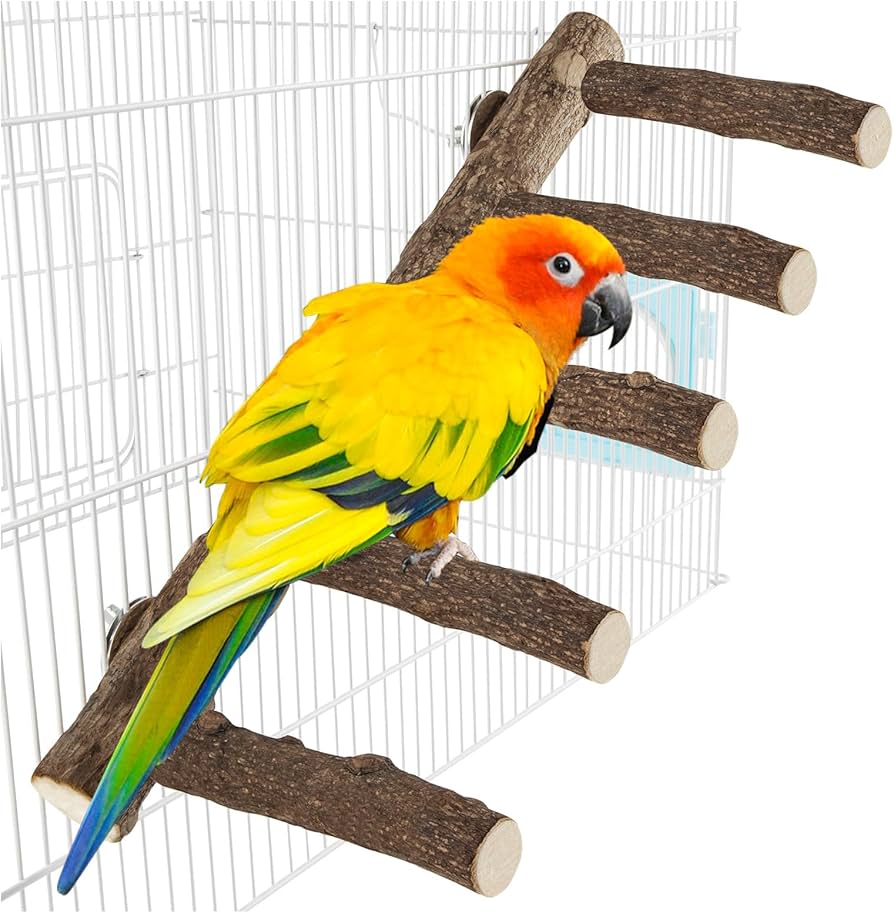
Credit: www.amazon.com
Ideal Indoor Conditions
Sun Conures are tropical birds. They thrive in warm, stable environments. Keeping them indoors requires careful attention to temperature and humidity.
Optimal Temperature Range
Sun Conures need a specific temperature range. The ideal temperature is between 65°F to 80°F. Temperatures below 60°F can be harmful. Use a thermometer to monitor the room temperature. Avoid placing the cage near drafts or direct sunlight.
Humidity Levels
Proper humidity is crucial for Sun Conures. Aim for 50% to 60% humidity. Use a hygrometer to check humidity levels. Dry air can cause health issues. Consider using a humidifier if the air is too dry.
Signs Of Cold Stress
Cold stress can seriously affect your Sun Conure's health. Identifying early signs can help prevent severe issues. Below are key indicators to look for.
Behavioral Indicators
- Shivering: Your Sun Conure may shiver to generate warmth. This is a clear sign of cold stress.
- Lethargy: A cold bird may become unusually inactive or sleepy.
- Fluffed Feathers: Birds often fluff their feathers when cold to trap body heat.
- Clinginess: The bird might cling to you or other warm surfaces.
Physical Symptoms
| Symptom | Description |
|---|---|
| Pale Beak and Feet | The beak and feet may appear paler than usual. |
| Labored Breathing | Breathing may become heavier or more labored. |
| Weight Loss | Cold stress can lead to rapid weight loss. |
| Decreased Appetite | The bird may eat less due to cold stress. |
Recognizing these signs early can help you provide timely care. Always monitor your Sun Conure for any changes in behavior or physical appearance.
Heating Solutions
Sun Conures are tropical birds and thrive in warm climates. Cold temperatures can be harmful to them. Providing proper heating solutions is crucial. Below, we explore some effective indoor heating options and safe heat sources to ensure your Sun Conure stays cozy and healthy.
Indoor Heating Options
Keeping your Sun Conure indoors during the winter is essential. This helps maintain a consistent and comfortable environment. Here are some indoor heating options to consider:
| Heating Option | Description |
|---|---|
| Space Heaters | Small, portable heaters that warm up specific areas. |
| Heating Pads | Pads placed under or near the cage to provide warmth. |
| Thermostatic Heaters | Heaters with a thermostat to maintain a steady temperature. |
Ensure any heater used is safe for pets. Avoid those with exposed heating elements.
Safe Heat Sources
Using safe heat sources is vital to prevent any accidents or health issues. Here are some recommended options:
- Ceramic Heat Emitters: These emit heat without light, making them ideal for nighttime use.
- Infrared Heat Lamps: These lamps provide gentle, consistent warmth.
- Heated Perches: These perches help keep your bird's feet warm and comfortable.
Always monitor the temperature inside the cage. Ensure it stays between 65-80°F. Avoid placing heat sources too close to the bird to prevent burns.
Using a combination of these heating solutions can help keep your Sun Conure safe and comfortable during colder months.
Outdoor Considerations
Understanding how cold a Sun Conure can stand is crucial for its health. Outdoor considerations are essential to ensure your bird's safety and comfort. Let's dive into the details.
Seasonal Adjustments
Sun Conures are tropical birds and prefer warmer climates. During winter, they need extra care. Temperatures below 60°F can be harmful. Ensure your bird is indoors during cold months. Provide heating lamps if needed. A stable environment helps keep them healthy.
Protective Measures
Protecting your Sun Conure from cold is vital. Use a well-insulated cage if outdoors. Add thermal perches and blankets. Cover the cage at night to trap warmth. Avoid drafts by placing the cage in a sheltered spot. Consider a heated aviary for extreme cold.
| Temperature (°F) | Action Needed |
|---|---|
| Above 60°F | No special measures needed |
| 50°F - 60°F | Monitor closely, provide extra warmth |
| Below 50°F | Bring indoors or use heated enclosure |
- Check the weather regularly for sudden drops in temperature.
- Ensure the cage is dry and free from moisture.
- Provide extra food for energy during colder months.
Following these protective measures helps keep your Sun Conure safe and warm. Proper care ensures they thrive even in cooler temperatures.

Credit: birdtricksstore.com
Emergency Care
Sun Conures can face serious health issues in extreme cold. Immediate emergency care is essential to save their lives. This section will guide you through the necessary steps.
Immediate Actions
In extreme cold, a Sun Conure's body can shut down quickly. Take these immediate actions to help your bird:
- Move the bird indoors: Bring your Sun Conure inside immediately.
- Provide warmth: Use a heat lamp or heating pad.
- Check for signs of hypothermia: Look for lethargy, shivering, and weakness.
- Offer warm water: Give lukewarm water to rehydrate your bird.
Veterinary Assistance
Once you have taken immediate actions, seek veterinary help. Your vet can provide the best care for your Sun Conure.
- Contact your vet: Call your veterinarian right away.
- Follow vet instructions: Do what your vet advises over the phone.
- Transport safely: Keep your bird warm during transport.
Veterinary care can make the difference between life and death. Always keep your vet’s contact handy.
Preventive Measures
Sun Conures are tropical birds that thrive in warm climates. They can struggle in colder environments. Implementing preventive measures can help your Sun Conure stay healthy and comfortable.
Regular Monitoring
Regularly check the temperature in your bird's environment. Use a reliable thermometer. Ensure the temperature stays between 65°F to 85°F. Temperatures below 60°F can be harmful. Watch for signs of cold stress. These include shivering, fluffing feathers, and lethargy. Act immediately if you notice these signs.
Environmental Adjustments
Adjust your bird's environment to maintain a warm and stable temperature. Use a space heater if necessary. Avoid placing the cage near windows or doors. Cold drafts can affect your Sun Conure. You can also use a cage cover at night. This helps retain warmth.
| Action | Benefit |
|---|---|
| Use Space Heater | Maintains consistent warmth |
| Avoid Drafts | Prevents cold stress |
| Use Cage Cover | Helps retain heat |
Consider using a thermal perch. These perches provide warmth directly to your bird. They are especially useful in colder months. Ensure your bird's diet is rich in nutrients. Proper nutrition helps them maintain body heat.

Credit: www.amazon.com
Frequently Asked Questions
How Cold Is Too Cold For Sun Conure?
Sun conures are sensitive to cold. Temperatures below 60°F (15°C) can be harmful. Ensure a warm, draft-free environment.
How Do I Know If My Conure Has A Cold?
Look for symptoms like sneezing, nasal discharge, lethargy, and loss of appetite. Consult a vet if needed.
What Is The Lowest Temperature For A Parrot?
Parrots thrive best in temperatures above 65°F (18°C). Exposure to temperatures below 40°F (4°C) can be harmful. Always keep their environment warm.
How Cold Can Birds Stand?
Birds can withstand temperatures as low as -40 degrees Fahrenheit. They fluff their feathers to trap heat and stay warm. Some species also migrate to warmer areas.
Conclusion
Understanding how cold a Sun Conure can stand is crucial for their well-being. Keeping them warm ensures they stay healthy and happy. Always monitor their environment and provide adequate heating. Proper care and attention can prevent health issues related to cold temperatures.
Your Sun Conure will thrive in a safe, warm habitat.

Viola R. Daigle
I'm Viola R. Daigle, a dedicated Internet Marketer. I work with WarriorPlus as a Vendor and Affiliate, and I’m also an Affiliate on JVZoo and Legendary Marketer. My passion is to provide honest and detailed reviews of Internet Marketing (IM) products and software. I love helping people choose the right tools and strategies to grow their online business with confidence.


