
How Do I Know If My Sun Conure is Molting: Key Signs to Watch

You can tell if your Sun Conure is molting by observing feather shedding and new feather growth. Molting usually occurs once or twice a year.
Molting is a natural process where birds shed old feathers and grow new ones. This helps maintain their plumage and overall health. During this period, your Sun Conure may appear a bit scruffy or less vibrant. You might notice loose feathers around their cage.
Feather loss often starts around the head and neck, then progresses to the body and wings. New pin feathers, which look like tiny spikes, will start to emerge. These are a sign of healthy feather growth. Ensure your bird has a balanced diet to support them through the molting process. Regular misting can also help ease discomfort.
Molting Basics
Understanding the molting process of your Sun Conure can be helpful. Molting is a natural process for birds. It can sometimes be confusing for bird owners. In this section, we will cover the basics of molting.
What Is Molting?
Molting is the process where birds shed old feathers. They then grow new feathers to replace them. This process is essential for their health. Feathers wear out and need to be replaced.
Why Do Birds Molt?
Birds molt for several reasons:
- Replace damaged or worn feathers.
- Maintain healthy plumage.
- Prepare for seasonal changes.
- Support breeding activities.
Molting ensures that birds stay in top condition. It helps them fly efficiently and stay warm. For Sun Conures, molting occurs once or twice a year.
Signs Of Molting
Molting is a natural process for Sun Conures. It involves shedding old feathers and growing new ones. Understanding the signs of molting helps ensure your bird's health.
Feather Shedding
One of the first signs of molting is feather shedding. You may notice feathers on the cage floor or around your home. This is normal during the molting season.
- Loose feathers on the cage floor.
- More feathers than usual during cleaning.
- Feathers appearing dull or worn out.
New Feather Growth
After shedding old feathers, your Sun Conure will grow new ones. These new feathers are called pin feathers. They look like tiny spikes on the bird's body.
You can expect to see:
- Small, spiky pin feathers on the head and body.
- Feathers covered with a waxy coating.
- Bird scratching or preening to remove the coating.
New feather growth can make your Sun Conure look a bit messy. Don't worry; this is part of the molting process.
During this time, provide your bird with extra care. Ensure a balanced diet and plenty of water. This helps your Sun Conure grow healthy new feathers.
Behavioral Changes
Sun Conures show clear signs when they are molting. One of the first indicators is a shift in their behavior. Understanding these behavioral changes helps in providing better care for your feathered friend. Below are some key behavioral changes to watch out for.
Increased Preening
During molting, your Sun Conure will preen more often. Preening helps remove old feathers and stimulates new growth. You might notice your bird spending a lot of time grooming itself. This is a normal part of the molting process.
- Frequent grooming sessions
- More time spent cleaning feathers
- Using beak to pull out old feathers
Irritability
Another sign is an increase in irritability. Molting can be uncomfortable for your bird. You may notice your Sun Conure becoming more cranky and less social. This is due to the discomfort of new feathers growing in.
- More vocalizations or squawking
- Less willingness to interact
- Occasional nipping or biting
Understanding these behavioral changes helps in ensuring your Sun Conure is comfortable during the molting process. By recognizing signs like increased preening and irritability, you can provide the best care for your feathered friend.
Credit: www.reddit.com
Physical Changes
Sun Conures go through molting as part of their growth. During molting, you'll see several physical changes in your bird. These changes help you identify if your Sun Conure is molting.
Bare Patches
One of the first signs is bare patches. You may notice areas on your Sun Conure's body with fewer feathers. These bare patches are normal during molting.
Feathers fall out to make way for new growth. These patches are temporary and should not cause concern.
Pin Feathers
Another sign of molting is pin feathers. These are new feathers growing in. Pin feathers look like tiny quills. They have a waxy coating that will eventually flake off.
Pin feathers can be sensitive to touch. Be gentle with your Sun Conure during this time.
Here are some key points about pin feathers:
- New growth indicates healthy molting.
- Feathers will emerge from pin feathers.
- Pin feathers can cause itchiness.
| Sign | Description |
|---|---|
| Bare patches | Areas with fewer feathers |
| Pin feathers | New feathers appearing as tiny quills |
Health Concerns
Molting is a natural process for Sun Conures. But, it can sometimes bring health concerns. Knowing the difference between normal and abnormal molting is vital. This helps ensure your bird's well-being.
Normal Vs. Abnormal Molting
Normal molting involves your Sun Conure losing feathers and growing new ones. This process happens once or twice a year. During normal molting, your bird might look a bit scruffy. But, it should still be active and eat well.
Look out for abnormal molting. Signs include bald spots, excessive itching, or changes in behavior. If molting lasts longer than usual or feathers grow back damaged, this is a concern. Abnormal molting might indicate stress, poor diet, or illness.
| Normal Molting | Abnormal Molting |
|---|---|
| Once or twice a year | Frequent or prolonged |
| Bird remains active | Changes in behavior |
| Feathers grow back healthy | Bald spots or damaged feathers |
When To See A Vet
See a vet if your Sun Conure shows signs of abnormal molting. These signs include bald patches, excessive scratching, or lethargy. A vet can check for underlying health issues. They might recommend dietary changes or treatments.
Regular check-ups help keep your bird healthy. Schedule annual visits to catch any problems early. Keeping your bird's environment clean and stress-free also aids in healthy molting.
- Bald patches
- Excessive scratching
- Lethargy
- Prolonged molting periods
Monitoring your Sun Conure's molting process is essential. It ensures they stay happy and healthy throughout their life.

Credit: www.reddit.com
Care During Molting
Molting is a natural process for Sun Conures. During this period, they shed old feathers and grow new ones. Proper care ensures their comfort and health.
Dietary Needs
Sun Conures need extra nutrition during molting. Ensure a balanced diet rich in protein and vitamins.
- Offer fresh fruits like apples and berries.
- Include vegetables such as carrots and spinach.
- Provide protein sources like boiled eggs and legumes.
Consider adding a multivitamin supplement to their food. Always provide clean, fresh water.
Environmental Adjustments
Create a comfortable environment to aid your conure’s molting process. Keep their cage clean and provide a stress-free space.
- Maintain a stable room temperature.
- Ensure proper humidity levels.
- Place the cage in a quiet area.
Consider adding a bath for your bird. It can help with feather growth and comfort.
Use a spray bottle to mist your conure gently. This can soothe their skin.
Provide soft perches to reduce foot strain. Replace rough perches temporarily.
Common Molting Myths
Understanding molting in Sun Conures can be confusing. Many common myths exist about this natural process. Let’s debunk some of these myths to help you better understand your feathered friend.
Myth: Molting Is Painful
One common myth is that molting is painful for Sun Conures. This is not true. Molting is a natural process where old feathers are replaced by new ones. While your bird might seem uncomfortable, they are not in pain. You might notice your Sun Conure scratching more often. This is because new feathers, called pin feathers, are growing in.
| Signs of Molting | Explanation |
|---|---|
| Feather Shedding | Old feathers fall out to make way for new ones. |
| Increased Scratching | New feathers can be itchy, leading to more scratching. |
| Pin Feathers | New feathers covered in a keratin sheath appear. |
Myth: Only Seasonal
Another myth is that Sun Conures only molt seasonally. In reality, molting can happen at different times. Some Sun Conures molt once or twice a year. Others may molt more frequently. Each bird has its own molting schedule. It is not strictly tied to seasons.
Here are some points to consider:
- Age: Young birds molt more frequently as they grow.
- Environment: Changes in light and temperature can affect molting.
- Health: A healthy diet can support a smoother molting process.
Understanding these myths helps you care better for your Sun Conure. This ensures their molting process is as comfortable as possible.
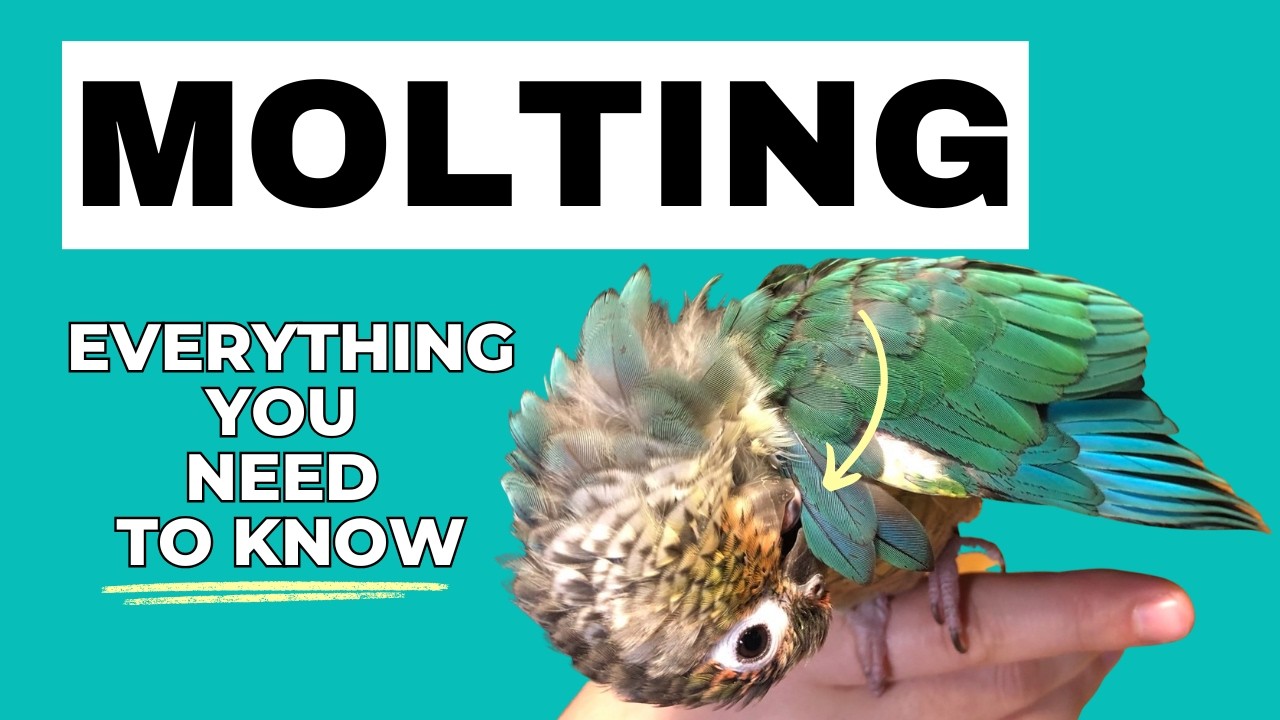
Credit: m.youtube.com
Molting Frequency
Understanding the molting frequency of your Sun Conure can help you provide better care. Molting is a natural process in birds where they shed old feathers to grow new ones. Knowing how often this happens ensures your pet stays healthy.
Typical Molting Cycles
Sun Conures usually molt twice a year. This happens once in the spring and once in the fall. Each molting cycle lasts about 6 to 10 weeks. During these times, you may notice more feathers around the cage.
Factors Affecting Molting
Several factors can affect the molting frequency of your Sun Conure:
- Diet: A poor diet can delay the molting process.
- Environment: Stressful environments can impact molting cycles.
- Health: Illnesses can disrupt regular molting patterns.
| Factor | Impact on Molting |
|---|---|
| Diet | Delays molting if poor |
| Environment | Affects frequency if stressful |
| Health | Disrupts cycles if ill |
Monitor your bird's environment and diet to ensure proper molting.
Frequently Asked Questions
How To Tell If Your Conure Is Molting?
Your conure is molting if you notice feather loss and new pin feathers growing. Increased preening and itching are common.
How Do Birds Act When Molting?
Birds act irritable and less active during molting. They may hide more and show less interest in socializing. Feather loss is common.
How Do I Know If My Bird Is Molting Or Plucking?
Molting causes even feather loss and new growth. Plucking leaves bald patches and uneven feathers. Consult a vet for accurate diagnosis.
During Which Month Do Most Birds Molt?
Most birds molt in late summer, usually between July and September. This period allows them to renew feathers before migration or winter.
Conclusion
Recognizing molting in your Sun Conure ensures their health and happiness. Look for signs like feather loss and new growth. Keep their diet balanced and environment stress-free. Regular check-ups with a vet are essential. Understanding molting patterns helps you provide the best care for your feathered friend.

Viola R. Daigle
I'm Viola R. Daigle, a dedicated Internet Marketer. I work with WarriorPlus as a Vendor and Affiliate, and I’m also an Affiliate on JVZoo and Legendary Marketer. My passion is to provide honest and detailed reviews of Internet Marketing (IM) products and software. I love helping people choose the right tools and strategies to grow their online business with confidence.


