
How to Get Sun Conures to Breed: Expert Tips for Success
To get Sun Conures to breed, provide a spacious cage and a nesting box. Ensure they have a balanced diet and privacy.
Sun Conures, known for their vibrant colors and playful nature, are popular pets among bird enthusiasts. Breeding these lively parrots requires specific conditions to ensure success. A spacious cage is essential to accommodate their active behavior and provide ample room for nesting.
A suitable nesting box inside the cage will give them a secure place to lay eggs. Their diet should be balanced, including fresh fruits, vegetables, and high-quality bird pellets. Privacy is crucial; minimize disturbances around their environment. With proper care and the right conditions, Sun Conures can breed successfully, adding new members to your avian family.
Choosing The Right Pair
Getting Sun Conures to breed starts with choosing the right pair. Healthy, compatible birds have the best chance of breeding successfully. This section will guide you through Selecting Healthy Birds and Gender Identification.
Selecting Healthy Birds
Selecting healthy birds is crucial. Ensure the birds are free from diseases. Look for clear eyes, smooth feathers, and active behavior. Avoid birds with nasal discharge or ruffled feathers.
Here is a quick checklist:
- Clear, bright eyes
- Smooth, vibrant feathers
- Active and playful behavior
- No nasal discharge
- Normal droppings
Gender Identification
Identifying the gender of Sun Conures is tricky. Both sexes look very similar. DNA testing is the most reliable method.
Here are some traditional methods:
- Observe behavior: Males often show more dominant behavior.
- Check size: Males tend to be slightly larger.
- Examine pelvic bones: Females have wider pelvic bones.
For accuracy, consider DNA testing. This test is quick and reliable.
Credit: www.quora.com
Creating An Ideal Environment
Creating an ideal environment is crucial for getting Sun Conures to breed. Your feathered friends need specific conditions to feel comfortable and secure. Below, we'll explore the key aspects of setting up the perfect environment for your Sun Conures to encourage breeding.
Cage Size And Setup
Sun Conures need a spacious cage to thrive. A large cage ensures they have enough room to move and exercise.
Recommended cage size:
- Width: 24 inches
- Depth: 24 inches
- Height: 36 inches
Provide perches of varying sizes and textures. This keeps their feet healthy. Add nesting boxes to the cage. Nesting boxes offer a safe place for breeding.
Ensure the cage is clean and hygienic. A clean environment reduces stress and promotes health.
Temperature And Lighting
Temperature and lighting play a vital role in breeding. Maintain a consistent temperature in the room.
Ideal temperature: 75°F to 85°F (24°C to 29°C)
Use a thermometer to monitor the temperature. Sudden changes can stress the birds.
Provide 12 hours of light and 12 hours of darkness. Use a timer to ensure consistency.
Natural sunlight is best, but artificial lighting works too. Ensure the light is not too harsh.
Proper lighting and temperature create a comfortable environment. This encourages Sun Conures to breed.
Diet And Nutrition
A well-balanced diet is crucial for getting Sun Conures to breed. Proper nutrition ensures they are healthy and in the best condition for breeding. This section will cover the essential nutrients and supplemental foods needed for their diet.
Essential Nutrients
Sun Conures need a diet rich in essential nutrients. These nutrients support their overall health and breeding capabilities.
- Proteins: Proteins are vital for muscle and feather development. Provide lean meats, beans, and legumes.
- Vitamins: Vitamins A, D, and E are crucial. Offer fruits like mango and vegetables like carrots.
- Minerals: Calcium and phosphorus strengthen bones. Include cuttlebone or mineral blocks in their cage.
- Fats: Healthy fats provide energy. Seeds and nuts are good sources.
Supplemental Foods
Besides the essential nutrients, supplemental foods can enhance their diet. These foods provide additional vitamins and minerals.
- Fruits: Offer a variety like apples, bananas, and berries.
- Vegetables: Leafy greens and root vegetables are excellent choices.
- Egg Food: A high-protein mix of eggs, bread, and grains.
- Pellets: Commercial bird pellets ensure a balanced diet.
A balanced diet supports their health and increases breeding success. Monitor their food intake to ensure they are eating well.

Credit: www.youtube.com
Breeding Season Preparation
Preparing Sun Conures for the breeding season requires careful planning. Understanding the right timing, signs, and behavioral changes is crucial. This guide will help you create the ideal conditions for breeding success.
Timing And Signs
The breeding season for Sun Conures typically begins in spring. It's important to recognize the signs indicating readiness.
| Timing | Signs |
|---|---|
| Spring | Increased vocalization |
| Spring | Nesting behavior |
| Spring | Feather plucking |
| Spring | Mate feeding |
Behavioral Changes
Sun Conures exhibit specific behaviors during breeding season. Look for these changes:
- Increased vocalization: Birds become more talkative.
- Nesting behavior: Birds start arranging materials.
- Mate feeding: Birds feed each other.
- Feather plucking: Birds may pluck feathers for nesting.
Creating a suitable environment is essential. Provide nesting boxes and maintain a calm atmosphere.
Nesting Box Essentials
Creating a comfortable and safe nesting environment is crucial for breeding Sun Conures. The right nesting box can significantly improve the chances of successful breeding. This section will guide you through the essentials for choosing, placing, and maintaining a nesting box for your Sun Conures.
Choosing The Right Box
The first step is selecting the right nesting box. Opt for a box made from sturdy wood. Ensure the box is spacious enough for the birds to move freely. A typical size for Sun Conures is 12x12x18 inches. The box should have a secure lid to keep the eggs safe. A small entrance hole, about 3 inches in diameter, is ideal.
| Nesting Box Feature | Specification |
|---|---|
| Material | Sturdy wood |
| Size | 12x12x18 inches |
| Entrance Hole | 3 inches in diameter |
Placement And Maintenance
Proper placement of the nesting box is vital. Place the box in a quiet and safe area. Ensure the environment is free from disturbances. The box should be elevated off the ground, at least 4 feet high.
- Place the box in a quiet area.
- Ensure the box is elevated.
- Keep the area free from disturbances.
Regular maintenance is key to a healthy nesting environment. Clean the box every few weeks to remove waste. Check for any signs of damage or wear. Replace the nesting materials if they become soiled. Keep the box dry to avoid mold and bacteria growth.
- Clean the box every few weeks.
- Check for damage.
- Replace soiled materials.
- Keep the box dry.
Following these nesting box essentials will help ensure a successful breeding environment for your Sun Conures.
Monitoring And Care
Monitoring and care are essential for successful breeding of Sun Conures. Regular observation ensures that your birds are healthy and happy. This section will guide you on what to look for daily and how to conduct health checks.
Daily Observations
Observe your Sun Conures daily. Make sure they are active and alert. Watch for changes in behavior or appetite.
- Check if they are eating their food.
- Ensure they are drinking water.
- Look for signs of nesting activity.
- Note any unusual behaviors.
Keeping a log can help track their activities. This helps identify any issues early.
Health Checks
Regular health checks are crucial. Examine their feathers, eyes, and beak. Healthy feathers should be clean and smooth.
| Area | What to Check |
|---|---|
| Feathers | Look for clean, smooth feathers without bald spots. |
| Eyes | Ensure eyes are clear and bright. |
| Beak | Check for cracks or abnormalities. |
Schedule regular vet visits. A vet can detect hidden health issues. Early treatment can prevent serious problems.
Handling Eggs And Chicks
Proper handling of eggs and chicks is crucial for successful breeding of Sun Conures. Breeders must ensure the right conditions for incubation and feeding. Let's explore effective strategies for these delicate tasks.
Incubation Tips
Incubating Sun Conure eggs requires precision and care. Follow these tips to increase your success rate:
- Maintain an incubator temperature of 99.5°F (37.5°C).
- Keep humidity levels around 40-50%.
- Turn the eggs at least three times a day.
- Monitor and adjust the incubator settings regularly.
Ensure the eggs are clean before placing them in the incubator. Dirty eggs may harbor bacteria that can harm the chicks.
Feeding Chicks
Feeding newborn chicks is a delicate process. Use a specialized hand-feeding formula designed for parrots. Follow these steps for best results:
- Mix the formula according to the package instructions.
- Warm the mixture to 104°F (40°C).
- Use a syringe to feed the chicks.
- Feed the chicks every 2-3 hours during the day.
As the chicks grow, gradually increase the time between feedings. Ensure each chick receives adequate nutrition.
Monitor the chicks’ health closely. Look for signs of distress or illness. Healthy chicks are active and have bright eyes.
Table of Feeding Schedule:
| Age | Feeding Frequency |
|---|---|
| 1-2 Days | Every 2 hours |
| 3-7 Days | Every 3 hours |
| 1-2 Weeks | Every 4 hours |
| 2-3 Weeks | Every 5 hours |
| 3-4 Weeks | Every 6 hours |
Following these guidelines will help you raise healthy and strong Sun Conures.
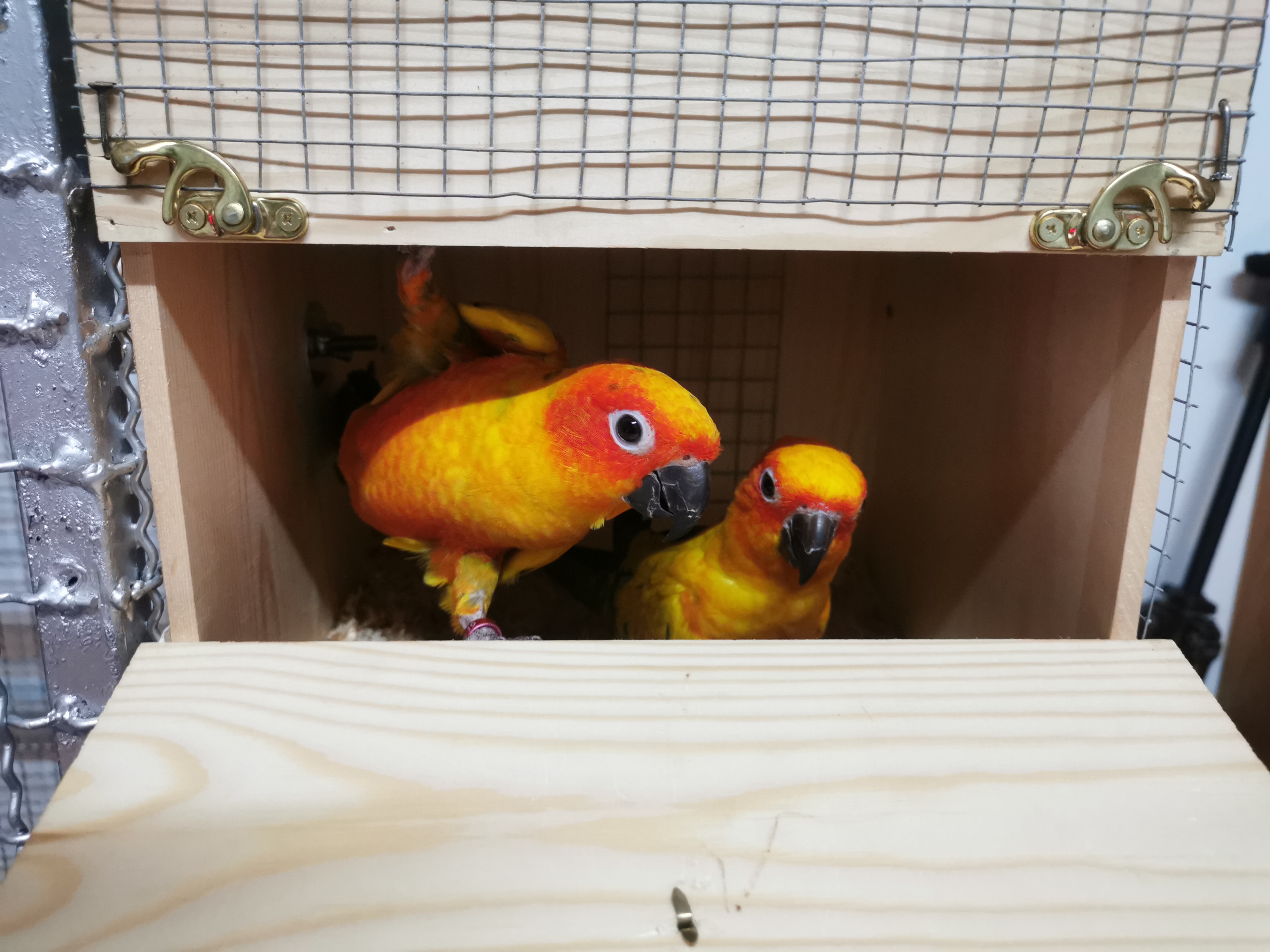
Credit: www.cuteness.com
Common Challenges
Breeding Sun Conures can be a rewarding experience. Yet, several common challenges might arise. Knowing these challenges is key to successful breeding.
Aggression Issues
Aggression between Sun Conures can be a major challenge. Birds might fight for territory or dominance. This can cause injuries or stress.
To manage aggression, ensure each bird has enough space. Use separate cages if needed. This reduces territorial disputes.
Introduce birds slowly. Allow them to get used to each other. Supervise their interactions closely.
- Provide toys to distract aggressive birds.
- Ensure each bird has its own food and water dish.
- Separate birds immediately if they start fighting.
Infertility Solutions
Infertility can be another common issue. Sometimes, eggs do not hatch. This can be due to health issues or poor diet.
Check the diet of your Sun Conures. Provide a balanced diet with fresh fruits, vegetables, and seeds.
Ensure proper lighting. Sun Conures need adequate light to breed. Use full-spectrum lighting if natural light is insufficient.
- Consult a vet to check for any health problems.
- Provide nesting materials to encourage breeding.
- Monitor the temperature and humidity in the breeding area.
Sometimes, switching partners can help. Some pairs are simply not compatible.
Frequently Asked Questions
How To Make Sun Conures Breed?
Provide a spacious, clean cage with nesting boxes. Maintain a diet rich in fruits, vegetables, and protein. Ensure a quiet, stress-free environment. Offer calcium supplements. Monitor for signs of mating behavior.
At What Age Do Sun Conures Breed?
Sun conures typically start breeding at 2 to 3 years old. Ensure they are healthy and well-cared for before breeding.
What Month Do Conures Breed?
Conures typically breed from February to June. This period can vary based on their environment and species. Ensure optimal conditions for successful breeding.
What Do Conures Eat To Breed?
Conures eat a balanced diet of fresh fruits, vegetables, high-quality pellets, and protein-rich foods like eggs to breed.
Conclusion
Breeding Sun Conures can be a rewarding experience. Ensure a healthy diet, proper environment, and suitable nesting conditions. Patience and attention to their needs are crucial. With consistent care and love, you'll soon see successful breeding. Happy bird keeping!

Viola R. Daigle
I'm Viola R. Daigle, a dedicated Internet Marketer. I work with WarriorPlus as a Vendor and Affiliate, and I’m also an Affiliate on JVZoo and Legendary Marketer. My passion is to provide honest and detailed reviews of Internet Marketing (IM) products and software. I love helping people choose the right tools and strategies to grow their online business with confidence.


