
Why Do Sun Conures Scream? Uncover the Surprising Reasons
Sun Conures scream to communicate and express their needs. They may also scream due to boredom or discomfort.
Sun Conures are vibrant and social birds known for their loud vocalizations. Understanding why they scream can help owners address their needs effectively. Screaming is their primary way to get attention or signal distress. These birds are naturally loud and use vocalizations to communicate with their flock.
If they feel lonely or neglected, they may scream more frequently. Environmental factors like sudden noises or changes can also trigger screaming. Providing toys, interaction, and a stable environment can reduce excessive screaming. Proper care and attention are key to a happy, quieter Sun Conure.
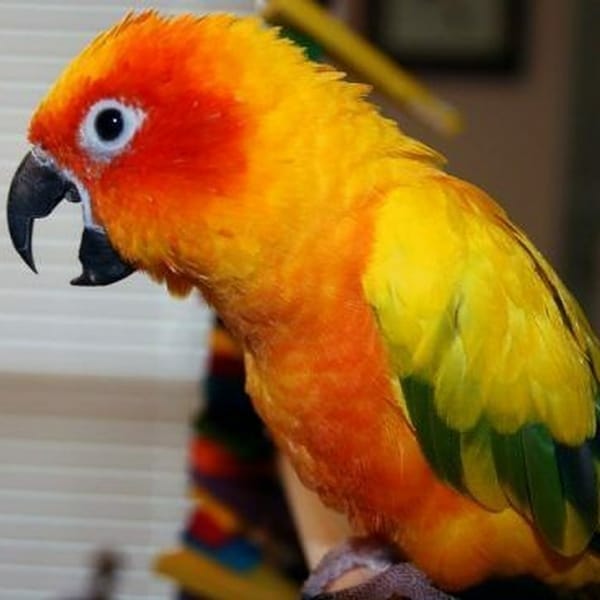
Credit: windycityparrot.com
Introduction To Sun Conures
Sun Conures are vibrant, medium-sized parrots known for their striking appearance and social nature. These colorful birds originate from South America and are popular pets worldwide.
Colorful And Social Birds
Sun Conures have bright feathers in shades of yellow, orange, and green. Their striking colors make them stand out in any setting.
These birds are highly social and enjoy interacting with people. They thrive on attention and love to be in the center of activities.
Sun Conures often form strong bonds with their owners. They enjoy playing, talking, and even cuddling. Their social behavior makes them delightful companions.
Basic Care Requirements
Proper care for Sun Conures is essential to keep them happy and healthy. Below are some basic care requirements:
- Diet: Provide a balanced diet of pellets, fresh fruits, and vegetables.
- Housing: A spacious cage with room for flying and climbing.
- Toys: Supply plenty of toys to keep them entertained.
- Social Interaction: Spend time with your bird daily to meet their social needs.
- Health Checkups: Regular vet visits to monitor their health.
Meeting these basic needs helps ensure your Sun Conure leads a joyful and healthy life.

Credit: www.youtube.com
Natural Behavior Patterns
Sun Conures are vibrant, social birds known for their loud calls. Understanding their natural behavior patterns can help explain why they scream. This section delves into their vocal communication and social interactions.
Vocal Communication In The Wild
In the wild, Sun Conures use loud calls to communicate. Their screams serve as alerts to other birds. These birds live in dense forests where visibility is low. Loud calls help them stay in touch with their flock.
These calls can indicate various things like danger or finding food. The screams are natural and essential for their survival. Without these loud calls, they might get lost or face threats.
Social Interactions
Sun Conures are highly social and rely on their flock. They form strong bonds and need constant interaction. Screaming is a way to seek attention from their flock members. This behavior translates to their life in captivity as well.
If a Sun Conure feels lonely, it will scream. They need social interaction to feel secure. Providing them with toys and social time can reduce excessive screaming.
| Reason for Screaming | Description |
|---|---|
| Alerting Danger | Screams to warn the flock about potential threats. |
| Finding Food | Uses calls to inform others about food sources. |
| Seeking Attention | Yells to get attention from their human or bird friends. |
| Feeling Lonely | Screams due to lack of social interaction. |
Understanding these natural behavior patterns can help in managing their screaming. It's part of their instinct and helps them thrive in their environment.
Common Reasons For Screaming
Sun Conures are vibrant, social birds known for their loud vocalizations. Understanding the common reasons for their screaming can help manage their behavior. Here are some frequent causes.
Attention Seeking
Sun Conures are social birds that crave interaction. They often scream to get their owner's attention. This behavior is common in birds that are used to frequent human contact.
- Direct Interaction: They might scream when they see you, asking for playtime.
- Response to Ignoring: If ignored, they may scream louder to get noticed.
- Positive Reinforcement: Sometimes, unintentional reinforcement of this behavior can occur. For example, if you give them attention when they scream.
Boredom And Loneliness
Sun Conures need mental stimulation and social interaction. Lack of these can lead to screaming due to boredom and loneliness.
- Lack of Toys: Without toys, they get bored easily.
- Isolation: Being alone for long periods can make them feel lonely.
- Need for Social Interaction: They thrive on social interaction. Without it, they may scream to express their need.
By understanding these common reasons, you can better address your Sun Conure's needs and reduce their screaming behavior.
Environmental Triggers
Understanding why Sun Conures scream can help improve their well-being. Environmental triggers play a significant role in their vocal behavior. Below, we explore two primary environmental factors: noise and disturbances and changes in habitat.
Noise And Disturbances
Sun Conures are sensitive to their surroundings. Loud noises can easily startle them. Common household sounds like vacuum cleaners or blenders can make them scream. They also react to sudden movements or unfamiliar faces. This behavior is a natural defense mechanism. They scream to alert their flock of potential danger.
To reduce their screaming, create a calm environment. Avoid sudden loud noises near their cage. Keep their living space away from high-traffic areas. This helps them feel secure and less stressed.
Changes In Habitat
Sun Conures can become distressed with changes in their habitat. Moving their cage to a new location might upset them. They are creatures of habit and thrive on routine. Even small changes, like new toys or rearranged perches, can cause stress.
To minimize stress, introduce changes gradually. Allow them to explore new items at their own pace. Consistency in their environment helps them feel safe. This reduces their urge to scream.
Health-related Causes
Understanding why Sun Conures scream can be challenging. Often, their screams are linked to health-related causes. These causes can be both physical and mental. Addressing these issues can help reduce their loud behavior.
Physical Discomfort
Sun Conures may scream due to physical discomfort. Common causes include pain or injury. Look for signs of discomfort, such as limping or favoring one leg. Another cause could be skin irritation. Check for ruffled feathers or redness.
Sun Conures also scream if they are hungry or thirsty. Ensure their food and water are always fresh. Poor diet can lead to health problems and increased screaming.
| Physical Discomfort Causes | Signs |
|---|---|
| Pain or Injury | Limping, favoring one leg |
| Skin Irritation | Ruffled feathers, redness |
| Hunger or Thirst | Frequent screaming, searching for food |
Mental Health Issues
Sun Conures can scream due to mental health issues. These include boredom and loneliness. Birds need mental stimulation. Provide toys and activities to keep them engaged.
Another cause is stress or anxiety. Loud noises or changes in their environment can trigger screams. Create a calm and stable environment. Ensure your Sun Conure feels safe.
- Boredom: Lack of toys or activities
- Loneliness: Absence of social interaction
- Stress or Anxiety: Loud noises, sudden changes
Addressing these mental health issues can help reduce screaming. A happy bird is a quiet bird.
Training And Behavior Modification
Sun Conures are beautiful and intelligent birds. But, they can scream loudly. Training and behavior modification can help reduce their screaming. This section will guide you on how to do that.
Positive Reinforcement Techniques
Positive reinforcement is a powerful tool. Reward your Sun Conure for quiet behavior. Use treats, praise, or playtime as rewards. This will encourage them to stay quiet more often.
- Give a treat when your bird is quiet.
- Praise your bird with a soft voice.
- Offer playtime as a reward.
Consistency is key. Always reward quiet behavior immediately. This way, your bird will understand what you want.
Establishing A Routine
Birds thrive on routine. A consistent schedule can reduce screaming. Feed your Sun Conure at the same times each day. Include regular play and training sessions.
| Activity | Time |
|---|---|
| Feeding | 8:00 AM |
| Playtime | 10:00 AM |
| Training | 2:00 PM |
| Feeding | 6:00 PM |
Creating a routine helps your bird feel secure. It knows what to expect and when. This can reduce anxiety and screaming.
Creating A Stimulating Environment
Sun Conures are known for their vocal nature, and screaming is a natural behavior for them. To reduce screaming, creating a stimulating environment is key.
toys And Enrichment Activities
- Provide a variety of toys such as chewable toys and puzzle feeders.
- Rotate toys regularly to keep them interested and engaged.
- Include enrichment activities like foraging toys to stimulate their minds.
social Interaction Opportunities
- Spend quality time with your Sun Conure daily to fulfill their social needs.
- Offer opportunities for interaction with other birds or even with you.
- Engage in training sessions to strengthen your bond and provide mental stimulation.

Credit: www.youtube.com
When To Seek Professional Help
Sun Conures are bright and charming birds. But their loud screams can be troubling. Sometimes, these screams signal the need for professional help. It's crucial to know when to seek expert advice.
Consulting An Avian Veterinarian
If your Sun Conure screams often, consult an avian veterinarian. Health issues can make your bird scream. Check if your bird is sick or hurt. The vet will check your bird's health thoroughly.
Here are some signs that may need veterinary attention:
- Sudden changes in screaming patterns
- Loss of appetite or weight
- Visible signs of discomfort or pain
- Feather plucking or unusual behaviors
Regular check-ups can prevent many health issues. Make sure your Sun Conure gets proper care.
Behavioral Specialists
Sometimes, screaming is linked to behavior problems. A bird behavior specialist can help. They understand bird behaviors and can offer solutions.
Behavioral issues might include:
- Separation anxiety
- Boredom
- Lack of socialization
- Improper training
A specialist will create a customized plan for your bird. This plan will address the specific reasons for screaming.
Here’s how a behavioral specialist can help:
| Issue | Solution |
|---|---|
| Separation Anxiety | Introduce gradual alone time |
| Boredom | Provide new toys and activities |
| Lack of Socialization | Increase interaction with family |
| Improper Training | Teach positive reinforcement techniques |
Addressing behavioral issues early can reduce stress for both you and your Sun Conure.
Frequently Asked Questions
How Do I Stop My Sun Conure From Screaming?
Reduce your sun conure's screaming by providing mental stimulation, toys, and regular exercise. Establish a consistent routine. Avoid reinforcing the behavior by not responding to screams. Reward quiet behavior with treats and attention.
What Does It Mean When My Conure Screams?
Your conure screams to communicate needs, express emotions, or seek attention. It could be hungry, bored, or scared.
Do Sun Conures Scream A Lot?
Yes, sun conures scream a lot. They are naturally loud and vocal birds. Proper training can help manage their noise.
How To Teach Conure Not To Scream?
To teach a conure not to scream, provide toys and mental stimulation. Reward quiet behavior with treats. Avoid reacting to screams. Establish a consistent daily routine. Ensure the bird's basic needs are met.
Conclusion
Understanding why sun conures scream helps in creating a peaceful home. Address their needs and ensure mental stimulation. This reduces excessive noise and strengthens your bond. With patience and care, you can enjoy a quieter and happier relationship with your feathered friend.
Happy bird keeping!

Viola R. Daigle
I'm Viola R. Daigle, a dedicated Internet Marketer. I work with WarriorPlus as a Vendor and Affiliate, and I’m also an Affiliate on JVZoo and Legendary Marketer. My passion is to provide honest and detailed reviews of Internet Marketing (IM) products and software. I love helping people choose the right tools and strategies to grow their online business with confidence.


