
How Do Female Sun Conures Nest: A Detailed Guide
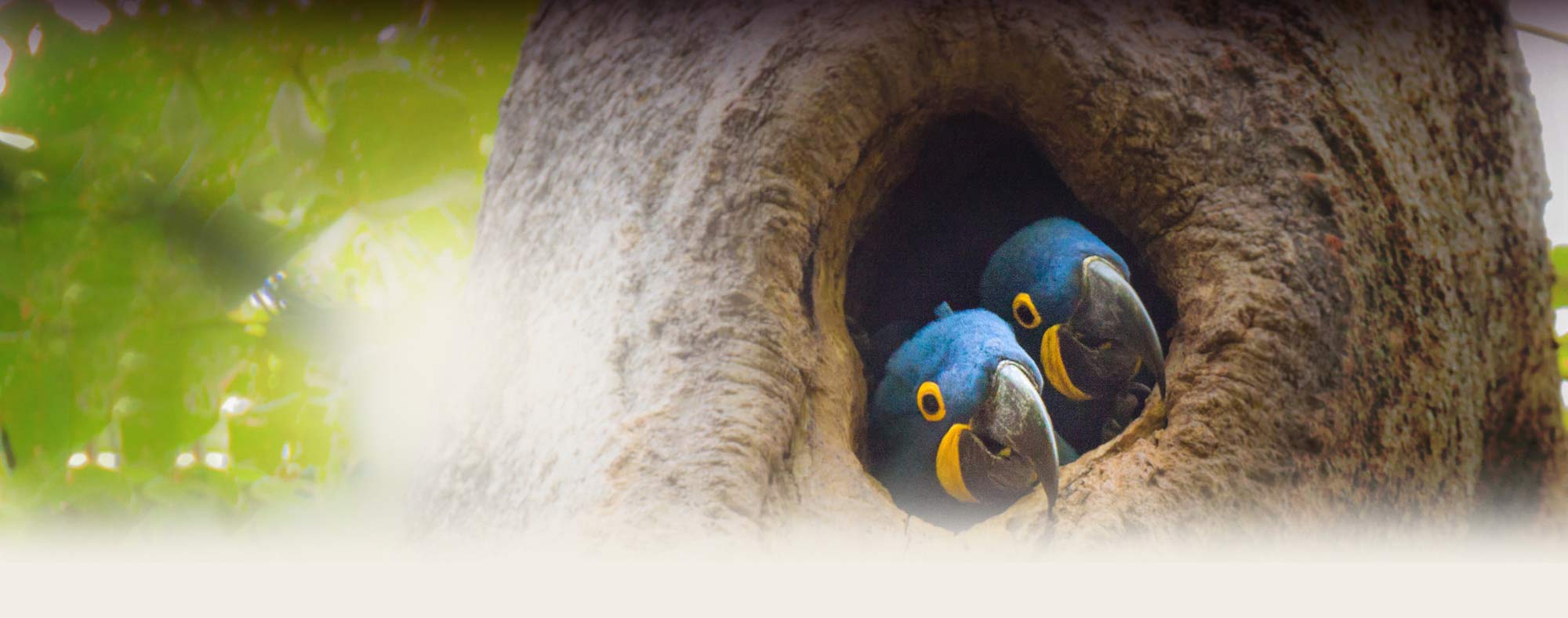
Female Sun Conures nest by selecting a tree cavity and laying their eggs inside. They prefer secluded spots for safety.
Sun Conures, native to South America, are vibrant and social parrots. They are known for their bright plumage and playful nature. Nesting is a critical part of their reproductive behavior. Female Sun Conures look for natural tree cavities to build their nests.
They choose these spots to protect their eggs from predators. The nesting site provides a safe and secure environment for raising their young. Understanding their nesting habits helps in conservation efforts. It also aids bird enthusiasts in providing proper care in captivity. This insight into their nesting behavior ensures these beautiful birds thrive in their natural habitat and in human care.
Credit: lafeber.com
Natural Habitat
Female Sun Conures, also known as Aratinga solstitialis, have unique nesting habits. Understanding their natural habitat is key to knowing how they nest. This section explores their native regions and preferred nesting sites.
Native Regions
Sun Conures are native to northeastern South America. They are found in countries like Venezuela, Brazil, and Guyana. These regions offer the tropical climate Sun Conures need. The warm weather and lush forests provide an ideal environment.
Preferred Nesting Sites
In the wild, Sun Conures choose specific nesting sites. They often nest in tree cavities. These cavities provide safety from predators. The trees they choose are usually high and well-hidden.
Sun Conures may also nest in palm trees. The fronds offer protection and camouflage. This is especially true in regions with dense forests.
They prefer trees near water sources. Rivers and streams are ideal. Water sources ensure easy access to hydration.
| Preferred Nesting Site | Characteristics |
|---|---|
| Tree Cavities | High, hidden, and safe from predators |
| Palm Trees | Protected by fronds, camouflaged |
| Near Water Sources | Close to rivers and streams |
Understanding the natural habitat of Sun Conures helps us protect them better. Their nesting habits are crucial for their survival. Let's ensure these beautiful birds have the environment they need.

Credit: en.wikipedia.org
Nesting Behavior
Female Sun Conures exhibit fascinating nesting behavior. Understanding their nesting habits helps in providing better care. Let's dive into their unique behaviors during nesting.
Mating Season
The mating season for Sun Conures usually starts in spring. During this time, female Sun Conures become more active. They search for suitable nesting sites. These birds prefer tree cavities in the wild.
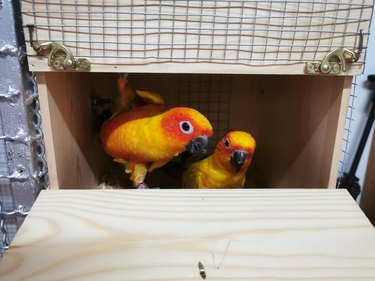
In captivity, provide a nesting box. Ensure the box is secure and private. Female Sun Conures also need soft materials for their nests. You can offer shredded paper or leaves.
Pair Bonding
Pair bonding is crucial for successful nesting. Sun Conures form strong bonds with their mates. They spend time grooming each other. This behavior strengthens their relationship.
Pairs also communicate through gentle calls. The female often initiates nesting preparations. She inspects the nesting site and starts arranging materials. The male supports by bringing more materials.
Here is a simple table showing the key aspects of nesting behavior:
| Aspect | Description |
|---|---|
| Mating Season | Spring; females become more active |
| Nesting Sites | Tree cavities or nesting boxes |
| Nesting Materials | Shredded paper, leaves |
| Pair Bonding | Grooming, gentle calls, material gathering |
Nest Construction
Female Sun Conures are fascinating birds known for their vibrant colors and playful nature. One of the most intriguing aspects of their behavior is how they construct their nests. Understanding the materials and process they use can offer insights into their natural instincts and habitats.
Materials Used
Sun Conures use various materials to build their nests. They prefer soft and flexible items. Here are some common materials they use:
- Twigs
- Leaves
- Grass
- Bark
- Feathers
These materials are readily available in their natural habitats. They are easy to manipulate and arrange.
Construction Process
The construction process involves several steps:
- Finding a suitable location: Female Sun Conures look for safe spots. They prefer tree cavities or dense foliage.
- Gathering materials: They collect twigs, leaves, and other items. They often search nearby areas.
- Building the base: The base is made from twigs and leaves. It provides a stable foundation.
- Lining the nest: They use grass and feathers for lining. This makes the nest soft and comfortable.
- Final adjustments: They make small tweaks for comfort and safety.
Building a nest is a communal effort. Both male and female Sun Conures participate. This ensures the nest is strong and secure.
Egg Laying
Understanding the process of egg laying in female sun conures is fascinating. These bright, playful birds follow a unique pattern when it comes to nesting and laying eggs. Knowing about their egg-laying habits can help in providing better care for them.
Frequency And Timing
Female sun conures usually lay eggs once or twice a year. This frequency can depend on their health and environment. The typical time for laying eggs is during the warmer months. Keeping the birds in a comfortable, stress-free environment can encourage healthy egg-laying habits.
Clutch Size
A female sun conure typically lays a clutch of 3 to 5 eggs. The number of eggs can vary based on the bird's age and health. Each egg is laid one to two days apart. It's important to ensure that the nesting box is clean and safe for the eggs. This helps in the proper development of the embryos.
| Factor | Details |
|---|---|
| Frequency | 1-2 times a year |
| Timing | Warmer months |
| Clutch Size | 3-5 eggs |
| Egg Interval | 1-2 days apart |
Incubation Period
The incubation period is a critical phase in the life cycle of female sun conures. During this time, the female sun conure dedicates herself to keeping the eggs warm and safe. Understanding the duration, parental roles, and behaviors during this period is essential for anyone interested in these vibrant birds.
Duration
The incubation period for sun conure eggs typically lasts between 23 to 27 days. This period starts once the female lays the first egg and continues until the eggs hatch. The exact duration can vary slightly based on environmental conditions and the health of the birds.
| Duration | Details |
|---|---|
| 23 to 27 days | Time from laying to hatching |
| Temperature | Must be kept warm |
Parental Roles
During the incubation period, both the male and female sun conures have specific roles. The female primarily incubates the eggs, keeping them warm and turning them regularly to ensure even development. The male supports by bringing food to the female and keeping watch for any potential threats.
- Female: Incubates eggs, keeps them warm, turns them regularly.
- Male: Brings food, watches for threats, assists the female.
Both parents work together to ensure the safety and proper development of their eggs. This teamwork is crucial for the successful hatching of healthy chicks.
Chick Development
Chick Development in female sun conures is fascinating. Understanding their growth helps bird enthusiasts and breeders. In this section, we will explore how these chicks develop from hatching to fledging.
Hatching Process
Sun conure chicks begin their journey inside the egg. The incubation period lasts about 23 to 27 days. The female sun conure keeps the eggs warm. She turns them regularly to ensure even heat distribution.
As the hatching day nears, the chicks use their egg tooth to break the shell. This process is called pipping. It can take up to 24 hours for a chick to fully emerge from the egg.
Once hatched, the chicks are blind, naked, and helpless. They rely entirely on their parents for warmth and food.
Growth Stages
Sun conure chicks grow quickly. Their development can be divided into several stages:
- Day 1-7: Chicks are fed by the parents every few hours. They start to develop a thin layer of down feathers.
- Week 2: Eyes begin to open. Chicks grow more down feathers. They start to chirp softly.
- Week 3: Pin feathers appear. These are the beginnings of their colorful plumage. Chicks become more active.
- Week 4-5: Feather growth continues. Chicks start to explore the nest. They begin to flap their wings.
- Week 6-8: Chicks are almost fully feathered. They start learning to perch and practice flying.
By the end of the eighth week, chicks are usually ready to leave the nest. They are now capable of short flights and can begin to eat on their own.
| Week | Development Milestones |
|---|---|
| 1 | Fed by parents, develop down feathers |
| 2 | Eyes open, more down feathers, soft chirping |
| 3 | Pin feathers appear, increased activity |
| 4-5 | Feather growth, nest exploration, wing flapping |
| 6-8 | Fully feathered, perching, practicing flight |
Observing these stages can be a rewarding experience. Understanding the chick development process ensures better care for these vibrant birds.
Conservation And Care
Female Sun Conures need safe places to nest. They face many challenges. Understanding these challenges is key to their conservation. Proper care helps maintain their population. Here, we will discuss the threats to their nesting and how to support healthy nesting.
Threats To Nesting
Female Sun Conures face several threats. These threats impact their nesting habits. The main threats include:
- Deforestation: Cutting down trees destroys their natural habitat.
- Predators: Snakes and larger birds prey on their eggs.
- Climate Change: Extreme weather affects their nesting sites.
These threats reduce nesting success. Conservation efforts are essential for their survival.
Supporting Healthy Nesting
Supporting healthy nesting involves several steps. These steps help Sun Conures thrive. Here are some ways to support healthy nesting:
- Protect Habitats: Preserve forests and planting more trees.
- Provide Nesting Boxes: Offer safe and secure nesting boxes.
- Monitor and Research: Study their nesting habits to improve conservation.
Providing nesting boxes can be very effective. Below is a simple table showing how to build one:
| Material | Dimensions | Instructions |
|---|---|---|
| Wood | 12"x12"x24" | Assemble walls and secure the roof. |
| Screws | 2 inches | Use to attach all parts together. |
| Entrance Hole | 3 inches diameter | Cut near the top of the front wall. |
By following these steps, we can support female Sun Conures. Healthy nesting ensures their population remains stable. It is crucial for their conservation.
Credit: www.cuteness.com
Frequently Asked Questions
What Is The Mating Behavior Of A Female Sun Conure?
Female sun conures show interest by preening and feeding their mates. They also exhibit nesting behaviors, like searching for a suitable nest site.
Do Female Conures Lay Eggs Without A Male?
Yes, female conures can lay eggs without a male. These eggs will be infertile and won't hatch.
What Is The Nesting Behavior Of A Conure?
Conures nest in tree cavities, creating a safe space for their eggs. They prefer secluded, quiet environments. Both parents share incubation duties and care for the chicks.
How Do I Know If My Conure Is Going To Lay An Egg?
Your conure may exhibit nesting behavior, become more territorial, and show signs of physical changes like a swollen abdomen.
Conclusion
Understanding how female sun conures nest is crucial for bird enthusiasts and breeders. These vibrant birds require specific nesting conditions to thrive. Providing the right environment ensures healthy egg-laying and chick development. By following these tips, you can support their natural nesting instincts effectively.
Happy bird-keeping!

Viola R. Daigle
I'm Viola R. Daigle, a dedicated Internet Marketer. I work with WarriorPlus as a Vendor and Affiliate, and I’m also an Affiliate on JVZoo and Legendary Marketer. My passion is to provide honest and detailed reviews of Internet Marketing (IM) products and software. I love helping people choose the right tools and strategies to grow their online business with confidence.


