
Are Sun Conures Loud? Discover the Truth About Their Noise
Yes, Sun Conures are loud. They are known for their high-pitched calls and vocalizations.
Sun Conures are popular pet birds due to their vibrant plumage and playful personalities. Native to South America, these birds are highly social and thrive on interaction. Potential owners should be aware of their noise levels. Sun Conures often use their loud calls to communicate, express excitement, or demand attention.
Their vocal nature can be a challenge in noise-sensitive environments. Proper training and socialization can help manage their noise. Understanding their behavior and needs is crucial for a harmonious relationship. Overall, Sun Conures are delightful companions for those prepared for their vocal tendencies.
Introduction To Sun Conures
Sun Conures are among the most vibrant and charismatic parrots. Their vivid colors and lively nature make them a favorite among bird enthusiasts. But are they loud? Let's dive into their world to understand more.
Origin And Habitat
Sun Conures, also known as Aratinga solstitialis, are native to South America. They thrive in the tropical forests of Venezuela, Guyana, Brazil, and Suriname. These birds prefer open woodlands and forest edges where they can find food and shelter.
In the wild, Sun Conures live in flocks. They communicate with each other using various calls. This social behavior is crucial for their survival and bonding.
Physical Characteristics
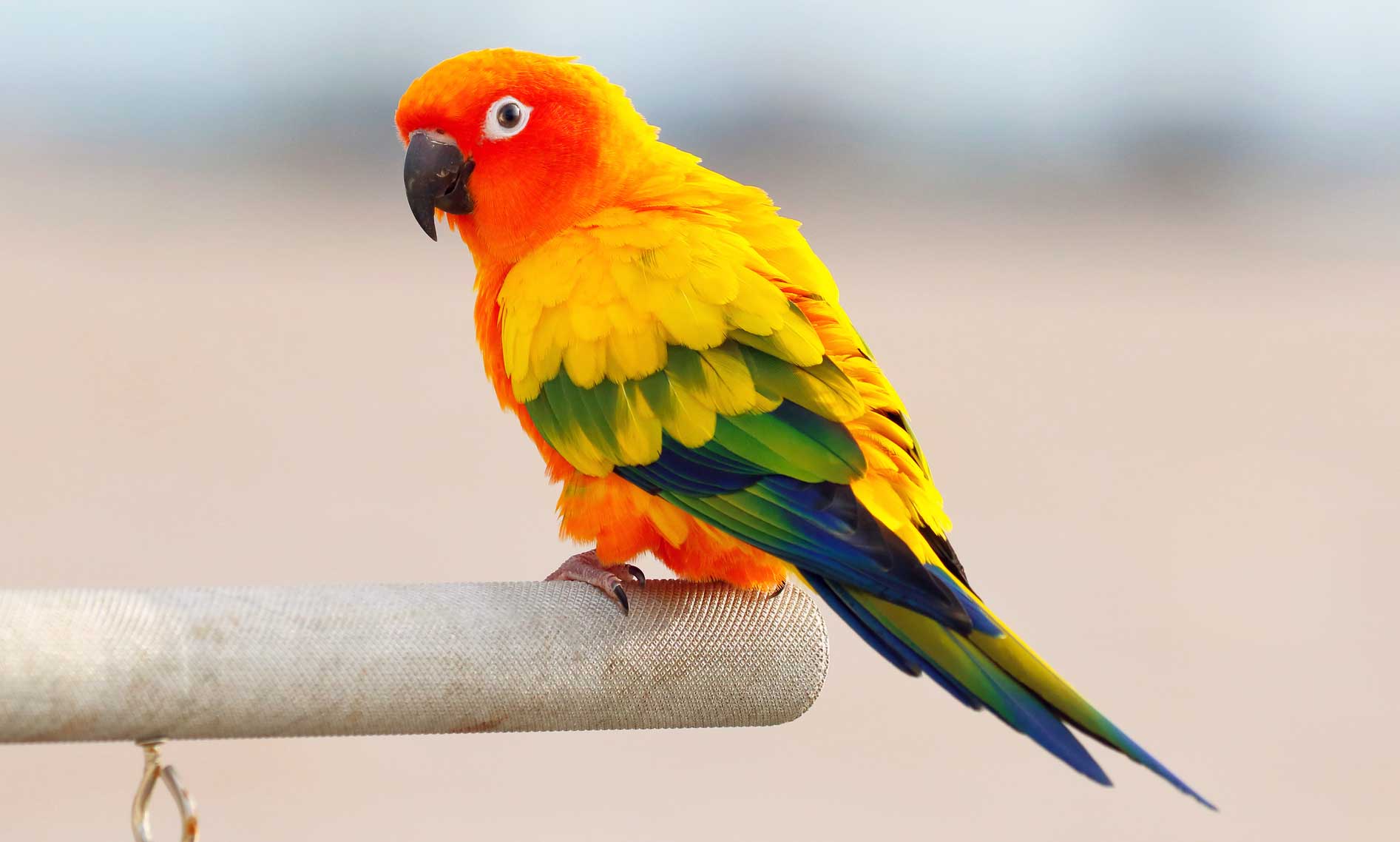
Sun Conures are known for their striking appearance. Their feathers are a brilliant mix of orange, yellow, and green. Their wings and tail have green and blue hues, adding to their beauty.
They have a white ring around their eyes, giving them a distinctive look. Their beak is black, strong, and curved, perfect for cracking nuts and seeds.
Here are some key physical traits:
- Size: 12 inches long
- Weight: 4-5 ounces
- Lifespan: 20-30 years
Their colorful plumage and playful nature make them stand out. These traits also contribute to their popularity as pets.
Sun Conure Vocalizations
Sun Conures are known for their vibrant colors and lively personalities. But their vocalizations are equally fascinating. Understanding these sounds can help you communicate better with your feathered friend.
Typical Sounds
Sun Conures produce a range of sounds. These include screeches, chirps, and whistles.
- Screeches: Often loud and attention-grabbing.
- Chirps: Short and repetitive, usually indicating happiness.
- Whistles: Melodic sounds that may mimic tunes they hear.
They can be very loud, especially in the morning and evening.
Communication Methods
Sun Conures use their vocalizations to communicate with their owners and other birds. They have different sounds for different needs.
| Sound | Meaning |
|---|---|
| Screech | Seeking attention or alerting danger |
| Chirp | Expressing happiness or contentment |
| Whistle | Imitating sounds or showing interest |
Understanding these sounds can improve your bond with your Sun Conure. Pay attention to their vocal patterns to know their needs better.
Why Sun Conures Are Loud
Sun Conures are known for their vibrant colors and lively personalities. But they are also famous for their loud calls. Understanding why these birds are loud can help pet owners manage their noise levels better. This section explores the reasons behind their loudness.
Natural Instincts
Sun Conures are naturally loud birds. Their calls are a way to communicate in the wild. They use their voice to alert their flock of dangers. Calls also help them find each other in dense forests. These birds need to be loud to stay safe and connected.
Environmental Factors
The environment can also affect the noise levels of Sun Conures. A stimulating environment can make them vocal. Lack of attention can cause them to scream for interaction. Changes in their surroundings can also trigger loud calls. Birds react to new sights and sounds.
| Factor | Effect on Noise |
|---|---|
| Attention | More Attention, Less Noise |
| New Environments | New Environments, More Noise |
| Stimulation | More Stimulation, More Noise |

Credit: www.youtube.com
Comparing Noise Levels
Sun Conures are known for their vibrant colors and playful nature. But, they are also famous for their loud calls. If you're considering a Sun Conure, understanding their noise levels is crucial. Let's compare their noise levels with other parrots and measure their decibels.
Sun Conures Vs. Other Parrots
Sun Conures are often louder than many other parrots. Here's a quick comparison:
| Parrot Species | Noise Level (Decibels) |
|---|---|
| Sun Conure | 120 dB |
| Budgerigar (Budgie) | 65 dB |
| Indian Ringneck | 100 dB |
| African Grey | 90 dB |
As seen, Sun Conures have one of the highest noise levels among parrots. Their calls can reach up to 120 dB.
Noise Measurement
Measuring the noise levels of parrots helps understand their vocal intensity. Here are some key points:
- Decibels (dB) measure the intensity of sound.
- Sun Conures can reach up to 120 dB, similar to a rock concert.
- Budgies are quieter, averaging around 65 dB.
- Indian Ringnecks and African Greys are in the middle range.
High decibel levels can be challenging for some owners. Sun Conures' loud calls may not suit everyone. Understanding this helps in making an informed decision.
Managing Noise
Sun Conures are known for their vibrant colors and cheerful nature. But they can also be quite loud. Managing their noise levels is crucial for a peaceful home. Here we discuss effective strategies to keep their noise under control.
Training Techniques
Training your Sun Conure can significantly reduce noise. Positive reinforcement is key. Reward your bird when it's quiet. Use treats and gentle praise.
Teach your bird to be quiet on command. Use a simple word like "quiet." When your bird stops squawking, give it a treat. Repeat this often for best results.
Another technique is to ignore loud noises. Do not react when your bird screams. This teaches it that screaming doesn't get attention. Consistency is crucial.
Environmental Adjustments
The environment plays a big role in noise management. Provide plenty of toys to keep your bird occupied. Bored birds tend to be noisier.
Ensure your Sun Conure has a comfortable and spacious cage. A cramped space can make your bird stressed and louder. Regularly change toys to keep things interesting.
Consider a quiet time routine. Cover the cage for a few hours during the day. This mimics their natural resting period.
Minimize loud noises in the home. Sun Conures often mimic their surroundings. Keeping the home environment calm can reduce their noise levels.
Here's a quick table summarizing the key points:
| Technique | Description |
|---|---|
| Positive Reinforcement | Reward quiet behavior with treats and praise. |
| Quiet Command | Teach the bird to be quiet on command. |
| Ignore Screaming | Do not react to loud noises to discourage them. |
| Provide Toys | Keep the bird occupied to reduce boredom. |
| Spacious Cage | Ensure the bird has enough space to avoid stress. |
| Quiet Time | Cover the cage for a few hours to mimic rest. |
| Calm Home Environment | Minimize loud noises in the home. |
Living With A Sun Conure
Sun Conures are vibrant, colorful parrots known for their lively personalities. They bring joy and energy to any home. But, they are also known for being quite loud. Understanding their behavior is key to living harmoniously with them.
Daily Life
Living with a Sun Conure means embracing a daily routine filled with interaction and noise. These birds thrive on social interaction and can become loud if ignored.
- Morning Ritual: Sun Conures greet the day with loud calls.
- Playtime: They need at least an hour of playtime outside the cage.
- Feeding: Fresh fruits and vegetables are essential for their diet.
- Training: Regular training sessions help keep them mentally stimulated.
Pros And Cons
| Pros | Cons |
|---|---|
| Affectionate: They love to cuddle and bond with their owners. | Noise Level: Their loud calls can be overwhelming. |
| Intelligent: They can learn tricks and commands easily. | Attention Demanding: They require a lot of social interaction. |
| Colorful: Their vibrant plumage is stunning. | Messy: They can be messy eaters. |
Sun Conures are wonderful pets for the right home. Understanding their needs and behavior can make living with them a joyful experience.
Impact On Neighbors
Sun Conures are known for their vibrant colors and lively personalities. But their loud calls can impact neighbors. It's crucial to consider how their noise may affect those living nearby.
Community Considerations
Living in close quarters requires mindfulness of your Sun Conure's noise level. Neighbors might not appreciate constant loud squawks. It's important to think about shared walls and common living spaces.
- Talk to your neighbors about your bird.
- Explain the noise potential and your plans to manage it.
- Be proactive in addressing any concerns they might have.
Soundproofing Tips
Soundproofing can help reduce the impact of your Sun Conure's noise. It's a practical solution for maintaining peace with neighbors.
| Method | Description |
|---|---|
| Heavy Curtains | Install thick curtains to absorb sound. |
| Rugs and Carpets | Use rugs and carpets to muffle noise. |
| Weather Stripping | Seal gaps in doors and windows to block sound. |
| Acoustic Panels | Place panels on walls to dampen noise. |
Implementing these tips can create a quieter environment. It helps keep both you and your neighbors happy.

Credit: www.reddit.com
Credit: be.chewy.com
Frequently Asked Questions
How Noisy Are Sun Conures?
Sun conures are very noisy birds. They have loud, high-pitched calls. These parrots can be heard from a distance. Their noise level is not suitable for quiet environments.
Which Conure Is The Loudest?
The Sun Conure is the loudest among conures. Their calls are piercing and can reach up to 120 decibels.
Can You Train A Sun Conure To Be Quiet?
Yes, you can train a sun conure to be quieter. Use positive reinforcement and consistent routines. Provide plenty of mental and physical stimulation.
Why Do Sun Conures Scream So Much?
Sun conures scream to communicate, express excitement, seek attention, or indicate discomfort. They are naturally vocal birds.
Conclusion
Sun Conures are known for their vibrant colors and lively personalities. Their loud calls can be a challenge. If you're prepared for noise, they make wonderful pets. These birds thrive in engaging environments. Consider their vocal nature before deciding. Understanding their needs ensures a harmonious home with your Sun Conure.

Viola R. Daigle
I'm Viola R. Daigle, a dedicated Internet Marketer. I work with WarriorPlus as a Vendor and Affiliate, and I’m also an Affiliate on JVZoo and Legendary Marketer. My passion is to provide honest and detailed reviews of Internet Marketing (IM) products and software. I love helping people choose the right tools and strategies to grow their online business with confidence.


