
Can Sun Conures Get Cold? Protect Your Feathered Friend
Sun Conures can get cold. They are tropical birds and need warm temperatures to stay healthy.
Sun Conures, native to South America, thrive in warm, humid environments. These vibrant birds are sensitive to temperature changes and can suffer in cold conditions. Providing a stable, warm environment is crucial for their well-being. Temperatures below 60°F (15°C) can be harmful to them.
Ensure their habitat mimics their natural tropical climate. Use heating lamps or bird-safe heaters during colder months. Regularly monitor their environment to maintain an optimal temperature. A consistent warm setting helps prevent illnesses and keeps them comfortable. Proper care and attention to their temperature needs ensure a happy, healthy Sun Conure.
Sun Conure Cold Sensitivity
Sun Conures are colorful and friendly parrots. They love warm climates. Cold weather can be harsh for them. Understanding their cold sensitivity is crucial for their health.
Ideal Temperature Range
Sun Conures thrive in warm temperatures. The ideal temperature range is between 70°F to 85°F (21°C to 29°C). If the temperature drops below 60°F (15°C), they may feel cold.
It's best to keep their environment stable. Use heaters or warm lights during cold days. Avoid placing their cage near windows or doors where drafts can enter.
Signs Of Cold Stress
Cold stress can affect Sun Conures quickly. Watch for these signs:
- Fluffed-up feathers
- Shivering or shaking
- Lethargy or inactivity
- Loss of appetite
- Curling up or huddling
If you see these signs, your bird may be cold. Warm them up slowly to avoid shock. Ensure their cage is in a warm, draft-free area.
Keep an eye on their behavior. Regular checks can prevent cold stress. Always keep your Sun Conure comfortable and warm.
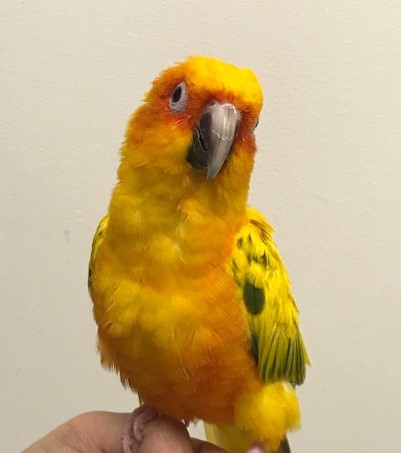
Credit: thelinksroadanimalclinic.com
Indoor Environment Control
Ensuring a comfortable indoor environment is crucial for your Sun Conure's health. These tropical birds thrive in warm, stable conditions. Let's explore how to create the perfect indoor environment for them.
Temperature Regulation
Sun Conures need a stable temperature to stay healthy. Ideal temperatures range between 70°F and 80°F. Sudden changes in temperature can stress your bird. Use a reliable thermostat to monitor room temperature. Avoid placing the cage near windows or doors. These areas can have fluctuating temperatures.
Temperature control tips:
- Set the thermostat to a consistent temperature.
- Use space heaters in colder months.
- Avoid direct sunlight to prevent overheating.
Draft Prevention
Drafts can make your Sun Conure sick. Preventing drafts is essential for their health. Place the cage away from drafty areas. Common sources of drafts include windows, doors, and air vents. Cover the cage at night to keep it warm.
Draft prevention tips:
- Keep the cage away from windows and doors.
- Check for drafts around the cage area.
- Use a cage cover during the night.
By focusing on temperature regulation and draft prevention, you can ensure your Sun Conure stays warm and healthy.
Outdoor Considerations
Sun Conures are vibrant, colorful birds. They thrive in warm climates. Outdoor time can be beneficial for them. But, there are important considerations for their well-being. Below, we'll cover key points to keep your Sun Conure safe outdoors.
Weather Monitoring
Weather Monitoring is crucial for Sun Conures. These birds are sensitive to cold. Always check the weather before bringing your bird outside. Temperatures below 60°F can be harmful. Use a reliable weather app to track conditions. Sudden drops in temperature should be avoided. Wind chill can also affect their comfort. Keep an eye on wind speeds too.
Here is a quick checklist for weather monitoring:
- Check temperature
- Monitor wind speed
- Avoid exposure to rain
- Be cautious of sudden weather changes
Safe Outdoor Enclosures
Providing a Safe Outdoor Enclosure is essential. The enclosure should protect from predators and harsh weather. It should have a sturdy frame and secure locks. Ensure the enclosure has partial shade. Direct sunlight can overheat your bird. Use materials that resist rust and wear.
Here is an example of a suitable outdoor enclosure setup:
| Feature | Details |
|---|---|
| Frame Material | Stainless Steel |
| Lock Type | Secure Padlocks |
| Shade Area | At least 50% shaded |
Additionally, ensure the enclosure is off the ground. This prevents pests and provides better security. Regularly check for wear and tear. Make necessary repairs to maintain safety.
Heating Solutions
Sun Conures are tropical birds. They need warmth to stay healthy. Cold weather can make them sick. Here are some heating solutions to keep them comfortable.
Space Heaters
Space heaters are great for keeping a room warm. Choose a heater with a thermostat. Set the temperature between 70°F and 80°F. Safety is crucial. Keep the heater away from the cage. Ensure it has a tip-over safety feature. This prevents accidents. Check the heater regularly. Make sure it's working properly.
Heating Pads
Heating pads are useful for direct warmth. Place the pad under the cage. Do not put it inside the cage. Ensure the pad has a low-heat setting. This prevents overheating. Monitor the temperature frequently. Use a thermometer to check the cage's temperature. Keep it between 70°F and 80°F. Safety is important. Choose a heating pad with an automatic shut-off feature.
Proper Cage Setup
Sun Conures are vibrant and lively birds. Their health is important, especially in colder climates. A proper cage setup can help keep your Sun Conure warm and cozy. This guide focuses on key elements to ensure your bird's cage is well-prepared for cold temperatures.
Insulated Covers
Insulated covers are essential for maintaining warmth. They help trap the heat inside the cage. Use covers made from thick, durable materials. Ensure they are breathable to prevent moisture buildup. At night, cover the cage fully for extra warmth. During the day, partially uncover to let in light.
Warm Perches
Warm perches are another crucial element. Birds lose heat through their feet. Warm perches help retain body heat. Use heated perches designed for birds. They are safe and provide consistent warmth. Regularly check the temperature to ensure it is not too hot.
| Item | Purpose | Tips |
|---|---|---|
| Insulated Covers | Trap heat inside the cage | Use thick, breathable materials |
| Warm Perches | Provide foot warmth | Use heated bird-safe perches |
- Position the cage away from drafts and cold windows.
- Provide a variety of toys to encourage movement and warmth.
- Monitor your bird for signs of cold, such as shivering.
- Check the cage temperature regularly.
- Adjust covers and perches as needed.
- Keep the room at a stable temperature.
Dietary Support
Sun Conures need extra care in cold weather. Their diet plays a crucial role in keeping them warm and healthy. This section covers two important aspects: Nutrient-Rich Foods and Warm Treats.
Nutrient-rich Foods
Ensure your Sun Conure eats a balanced diet. High-quality pellets provide essential nutrients. Fresh fruits and vegetables are also important. Here is a list of nutrient-rich foods:
- Carrots
- Sweet potatoes
- Spinach
- Broccoli
- Blueberries
- Apples (without seeds)
These foods boost their immune system and keep them healthy. Remember to wash all fruits and vegetables thoroughly.
Warm Treats
Sun Conures enjoy warm treats in cold weather. Here are some ideas:
- Warm cooked rice or quinoa
- Warm oatmeal mixed with fruits
- Boiled eggs (in moderation)
Make sure the treats are warm, not hot. This ensures your bird enjoys the food safely. Warm foods help keep their body temperature stable. It also makes them feel cozy and loved.
| Food | Benefits |
|---|---|
| Carrots | Rich in Vitamin A |
| Spinach | High in Iron |
| Blueberries | Loaded with Antioxidants |
Including these foods in your Sun Conure's diet helps them stay healthy and warm. Proper dietary support ensures they thrive even in cold weather.
Behavioral Observations
Sun Conures are beautiful and vibrant birds. Observing their behavior can help you understand their health. Behavioral changes often indicate their comfort levels, especially with temperature.
Activity Levels
Activity levels in Sun Conures can drop if they feel cold. A usually playful bird may become inactive. They might sit still for long periods. You may also notice they fluff up their feathers. This is their way of keeping warm. Reduced activity is a strong sign they might be cold.
Feather Condition
The condition of their feathers tells a lot about their health. Healthy feathers should be smooth and shiny. Cold Sun Conures may have ruffled or fluffed feathers. This is their attempt to trap heat. Observe any changes in their feather condition closely. It can indicate they are feeling cold.

Credit: birdtricksstore.com
Emergency Measures
If your Sun Conure gets cold, you need to act fast. Birds can quickly become sick if they get too cold. This section will guide you on emergency measures to take.
Immediate Warming Techniques
There are several ways to warm your Sun Conure quickly:
- Use a heat lamp: Place a heat lamp near the cage. Ensure it is not too close.
- Warm water bottle: Wrap a warm water bottle in a towel. Place it in the bird’s cage.
- Blankets: Cover the cage with blankets. Leave some space for air to circulate.
- Heating pad: Use a heating pad on a low setting. Place it under half of the cage.
Veterinary Assistance
If your Sun Conure does not improve, seek veterinary help. Cold can lead to serious health problems.
| Signs to Watch | Actions to Take |
|---|---|
| Shivering | Warm the bird immediately. |
| Lethargy | Contact your vet right away. |
| Loss of appetite | Monitor closely and consult a vet. |
Your vet may prescribe medications or other treatments. Follow their advice carefully.
Credit: www.parrotforums.com
Frequently Asked Questions
How Cold Is Too Cold For Sun Conure?
Sun conures cannot tolerate temperatures below 50°F (10°C). Keep their environment warm and draft-free.
How To Tell If Your Conure Is Cold?
Your conure may be cold if it fluffs its feathers, shivers, or tucks its beak under its wing.
How Cold Is Too Cold For My Bird?
Birds are too cold if the temperature drops below 65°F (18°C). Provide warmth and avoid drafts.
How Do I Keep My Sun Conure Warm In The Winter?
Keep your sun conure warm by using a heated perch or bird-safe heater. Provide cozy blankets and ensure the cage is draft-free. Maintain indoor temperatures between 65-75°F.
Conclusion
Understanding how to keep Sun Conures warm is crucial for their health. Proper care ensures they stay comfortable. Always monitor their environment and make necessary adjustments. With the right precautions, your Sun Conure will thrive even in cooler temperatures. Prioritize their well-being to enjoy a happy, vibrant bird.

Viola R. Daigle
I'm Viola R. Daigle, a dedicated Internet Marketer. I work with WarriorPlus as a Vendor and Affiliate, and I’m also an Affiliate on JVZoo and Legendary Marketer. My passion is to provide honest and detailed reviews of Internet Marketing (IM) products and software. I love helping people choose the right tools and strategies to grow their online business with confidence.


