
Can Sun Conure Live Alone? Essential Tips and Insights
Sun Conures can live alone but thrive better with companionship. They require significant attention and social interaction.
Sun Conures are vibrant, social parrots known for their striking colors and playful behavior. These birds form strong bonds with their owners and other birds. Without regular interaction, they can become lonely and develop behavioral issues. Providing companionship, whether from another bird or frequent human interaction, is essential for their well-being.
A solitary Sun Conure needs daily mental stimulation and physical activities to stay happy and healthy. Owners should invest in toys, training, and quality time to meet their social needs. Proper care ensures these lively parrots lead a fulfilling life, showcasing their cheerful and affectionate nature.
Sun Conure Personality
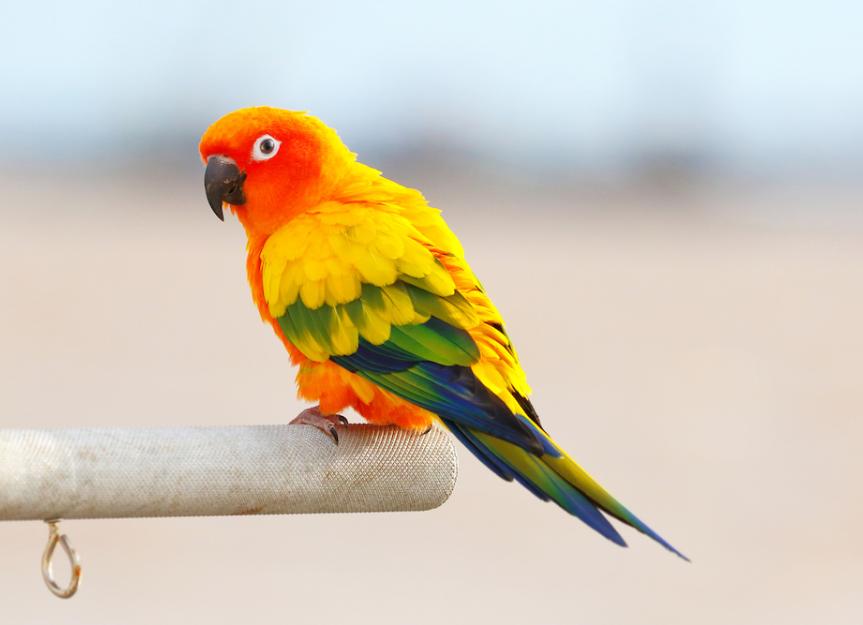
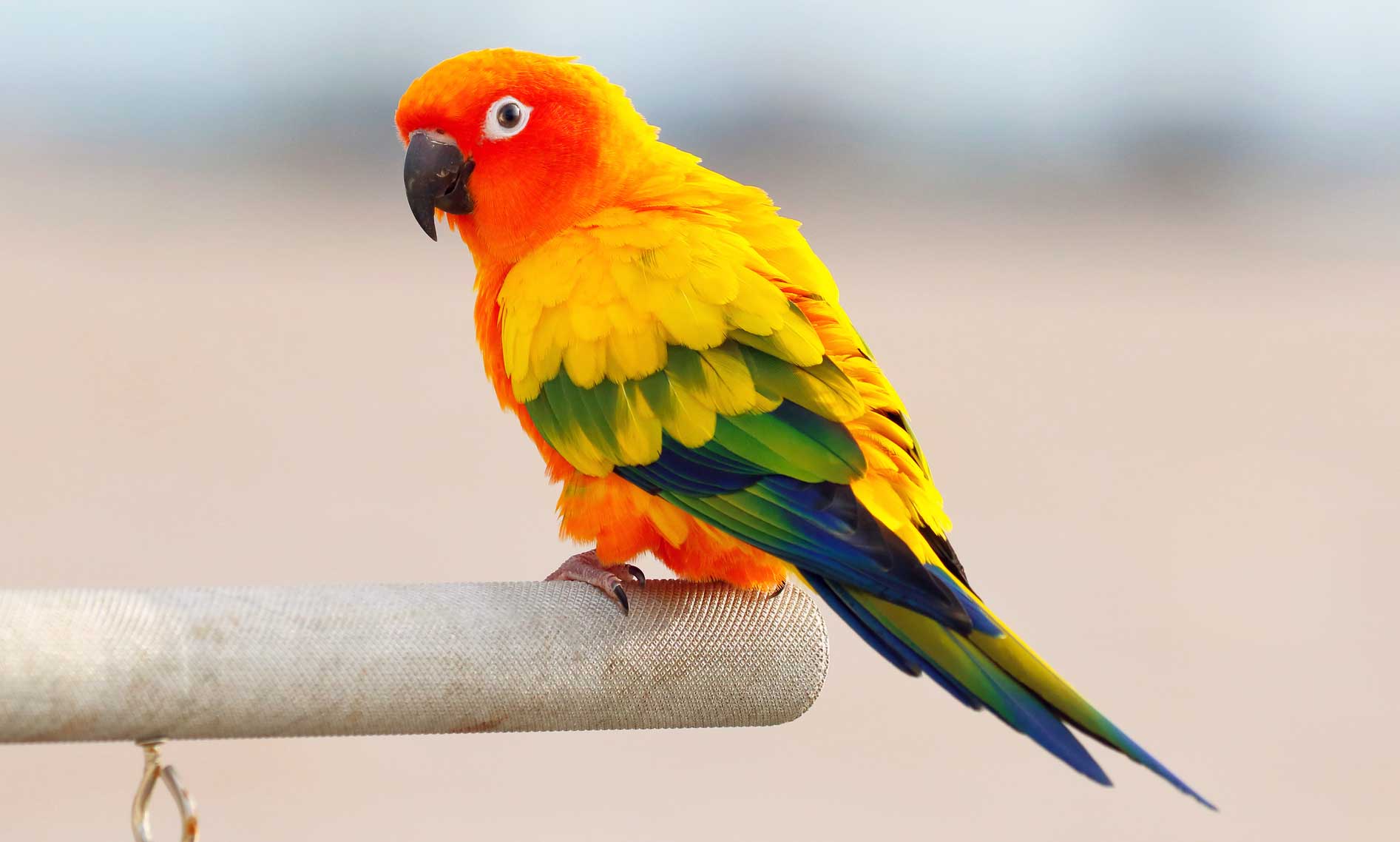
The Sun Conure, also known as the Sun Parakeet, is a vibrant and lively bird. These parrots are famous for their bright feathers and energetic nature. Their personality is a blend of sociability, curiosity, and playfulness. Understanding their personality traits helps in providing a better living environment.
Social Nature
Sun Conures are highly social birds. They crave interaction and companionship. Keeping them alone may lead to loneliness and boredom. They thrive on attention from their owners. Regular social interaction keeps them happy and healthy.
These birds enjoy being part of the family activities. They often mimic sounds and enjoy being vocal. A Sun Conure will chirp and squawk to communicate. They love to engage in playful activities and enjoy being handled.
Behavioral Traits
Sun Conures are known for their playful behavior. They are curious and love to explore their surroundings. Providing toys and activities keeps them entertained. Without enough stimulation, they may develop behavioral issues.
These birds can be quite loud. They use their voice to express emotions. A happy Sun Conure will chirp joyfully. A bored or stressed bird may scream for attention.
Sun Conures are also affectionate. They form strong bonds with their owners. They enjoy cuddling and being petted. Their affectionate nature makes them wonderful pets.
Here is a summary of their key behavioral traits:
| Behavioral Trait | Description |
|---|---|
| Playful | Enjoys toys and interactive play |
| Vocal | Uses chirps and squawks to communicate |
| Affectionate | Forms strong bonds with owners |
| Curious | Loves exploring surroundings |
Understanding these traits helps in providing a nurturing environment. A happy Sun Conure is a delightful companion.
Credit: www.petmd.com
Importance Of Companionship
Sun Conures are social birds. They thrive on interaction and engagement. Without companionship, they can become lonely and stressed. Ensuring they have company is crucial for their well-being.
Mental Stimulation
Mental stimulation is vital for a Sun Conure’s health. These intelligent birds need challenges to stay happy. Without mental activities, they can become bored. Boredom often leads to destructive behaviors.
- Provide toys that require problem-solving
- Engage in training sessions
- Introduce new activities regularly
Interactive play keeps their minds sharp. Puzzle toys, for instance, can be very engaging. Rotating toys also helps to maintain their interest.
Emotional Health
Emotional health is another key aspect. Sun Conures form strong bonds with their owners. Lack of social interaction can lead to depression. Emotional distress in birds can manifest physically.
| Emotional Signs | Physical Signs |
|---|---|
| Clinginess | Feather Plucking |
| Aggression | Weight Loss |
| Vocalizations | Reduced Appetite |
Spending quality time with your Sun Conure is essential. Daily interaction helps build trust and affection. These moments are critical for their emotional balance.
Risks Of Isolation
Sun Conures are social birds. They thrive on interaction and companionship. Keeping a Sun Conure alone can lead to several risks. These risks include stress and potential health problems. Isolation can negatively impact their well-being.
Stress Indicators
Sun Conures show stress through various behaviors. Here are some common stress indicators:
- Feather Plucking: This is a clear sign of distress.
- Excessive Screaming: They may scream more when lonely.
- Loss of Appetite: Stress can reduce their desire to eat.
Watch for these signs. They suggest your bird is unhappy and stressed.
Potential Health Issues
Isolation can lead to serious health problems. Here are some potential health issues:
| Health Issue | Description |
|---|---|
| Weakened Immune System | Stress weakens their immune system, making them prone to diseases. |
| Obesity | Lack of stimulation can lead to overeating and weight gain. |
| Depression | Loneliness can cause depression, affecting their overall health. |
It's vital to ensure your Sun Conure gets enough social interaction. This helps in avoiding these health issues.
Signs Your Sun Conure Is Lonely
Sun Conures are social birds that thrive on interaction. Loneliness can affect their well-being. Recognizing the signs of loneliness is crucial for their happiness.
Behavioral Changes
Behavioral changes are a clear sign of loneliness in Sun Conures. Below are some common changes:
- Feather Plucking: Birds may pluck their feathers when lonely.
- Loss of Appetite: Loneliness can cause them to eat less.
- Increased Aggression: They might become more aggressive.
- Lethargy: A lonely bird may seem more tired than usual.
Vocalization Patterns
Changes in vocalization patterns can also indicate loneliness. Listen for these signs:
- Excessive Screaming: A lonely bird may scream more often.
- Quietness: Some birds become unusually quiet.
- Calling Out: Repeated calling is a cry for attention.
Understanding these signs can help ensure your Sun Conure stays happy.
Alternatives To Another Bird
Sun Conures are social birds that thrive on interaction. If you can't get another bird, there are alternatives to keep them happy and engaged. Below are some effective ways to ensure your Sun Conure remains content and stimulated.
Interactive Toys
Interactive toys can keep your Sun Conure entertained for hours. These toys challenge their minds and keep them busy. Here are some popular options:
- Foraging Toys: These toys hide treats that your bird has to find.
- Chew Toys: Sun Conures love to chew. Provide safe, wooden chew toys.
- Mirrors: Some birds enjoy seeing their reflection. It can mimic another bird.
Rotate the toys to maintain their interest. This prevents boredom and keeps them engaged.
Human Interaction
Human interaction is vital for a Sun Conure's well-being. Spend quality time with your bird daily. This builds a strong bond and keeps them happy. Here are some activities you can do:
- Training Sessions: Teach them simple tricks. It’s fun and stimulating.
- Playtime: Let them out of the cage. Supervised playtime keeps them active.
- Talking: Talk to your bird frequently. They enjoy hearing your voice.
Interaction reduces loneliness and boosts their mood. Consistency is key to keeping them satisfied.
Creating A Stimulating Environment
Sun Conures are social birds. They need a stimulating environment to thrive. If you have a single Sun Conure, it's vital to keep them engaged. Creating a fun and safe space helps prevent boredom and loneliness. Let’s explore how to achieve this.
Enrichment Activities
Sun Conures love to play. Provide a variety of toys. Rotate them regularly to keep things interesting.
- Chewing toys: Wooden and rope toys are great for their beaks.
- Foraging toys: Hide treats inside for mental stimulation.
- Interactive toys: Mirrors and bells can keep them entertained.
Daily interaction is essential. Spend time talking and playing with your Sun Conure. Teach them simple tricks. It helps in bonding and keeps them mentally active.
Safe Space Setup
Your Sun Conure needs a safe and comfortable space. This includes a spacious cage and a designated play area.
| Feature | Details |
|---|---|
| Cage Size | Minimum 20x20x30 inches |
| Perches | Different sizes and textures |
| Toys | Variety of safe, bird-friendly toys |
Ensure the cage is placed in a quiet, yet active part of your home. This helps them feel safe and part of the family. Also, let your Sun Conure out of the cage daily. Supervised playtime outside the cage is crucial for their well-being.
Daily Care Tips
Sun Conures are vibrant and social birds that need daily care. Their well-being depends on a consistent routine and a loving environment. Below are some essential tips for their daily care.
Feeding Schedule
A balanced diet is crucial for a Sun Conure's health. Provide fresh fruits, vegetables, and a high-quality pellet mix daily. Here is a simple feeding schedule:
- Morning: Fresh fruits and vegetables.
- Afternoon: High-quality pellet mix.
- Evening: A small portion of seeds as a treat.
Make sure to remove uneaten food to prevent spoilage. Fresh water should always be available.
Cleaning Routine
Maintaining a clean environment is vital for your Sun Conure's health. Follow this cleaning routine to keep their space hygienic:
| Task | Frequency |
|---|---|
| Clean food and water dishes | Daily |
| Change cage liner | Daily |
| Disinfect cage and perches | Weekly |
Use bird-safe cleaners to avoid harmful chemicals. Regular cleaning prevents illness and keeps your bird happy.

Credit: www.quora.com
When To Seek Professional Help
Sun Conures are social birds and thrive on companionship. If a Sun Conure is left alone for long periods, it may develop behavioral issues. Understanding when to seek professional help is crucial for maintaining your bird's health and happiness.
Veterinary Advice
If your Sun Conure exhibits unusual behavior or seems unwell, a visit to the vet is essential. Look for signs like:
- Loss of appetite
- Feather plucking
- Lethargy
- Changes in droppings
A certified avian veterinarian can diagnose health issues and provide treatment. Regular check-ups help in early detection of problems. This ensures your bird stays healthy and happy.
Behavioral Experts
Sometimes, a Sun Conure may show signs of stress or aggression. A behavioral expert can help address these issues. Consider seeking help if you notice:
- Excessive screaming
- Biting
- Self-harm
- Destructive behavior
Behavioral experts use techniques to reduce stress and improve interaction. They can also guide you on enriching your bird's environment. This can make a significant difference in your bird's well-being.
Remember, professional help is always available. Don’t hesitate to reach out for the sake of your Sun Conure’s health and happiness.
Credit: be.chewy.com
Frequently Asked Questions
Can You Have Just One Sun Conure?
Yes, you can have just one sun conure. They need plenty of social interaction and mental stimulation.
Does A Sun Conure Need A Friend?
Yes, sun conures thrive with a friend. They are social birds and benefit from companionship to stay happy.
Do Sun Conures Get Lonely?
Yes, sun conures can get lonely. They are social birds and need interaction and companionship to stay happy.
Do Conures Need Another Bird?
Conures thrive on social interaction. Keeping another bird can enhance their well-being. They bond easily and stay entertained.
Conclusion
Sun Conures thrive with companionship and mental stimulation. A single bird can become lonely and stressed. Consider adopting another Sun Conure or spending ample time with your pet to ensure their happiness. Proper care and socialization are crucial for a healthy, joyful Sun Conure.
Your feathered friend deserves the best environment.

Viola R. Daigle
I'm Viola R. Daigle, a dedicated Internet Marketer. I work with WarriorPlus as a Vendor and Affiliate, and I’m also an Affiliate on JVZoo and Legendary Marketer. My passion is to provide honest and detailed reviews of Internet Marketing (IM) products and software. I love helping people choose the right tools and strategies to grow their online business with confidence.


