
Should I Get a Male Or Female Sun Conure?: Expert Tips
Choosing between a male or female Sun Conure depends on personal preference and individual bird characteristics. Both genders can be equally affectionate and playful.
Sun Conures are vibrant, social parrots known for their bright colors and lively personalities. These medium-sized parrots are popular pets due to their affectionate nature and playful antics. Deciding between a male or female Sun Conure often comes down to specific traits and behaviors rather than gender.
Males might be more vocal, while females can be slightly more reserved. It's essential to spend time with potential pets to understand their unique personalities. Regardless of gender, providing proper care, social interaction, and enrichment ensures a happy and healthy companion.
Choosing A Sun Conure
Choosing a Sun Conure can be fun and exciting. These colorful birds make great pets. But should you get a male or female Sun Conure? This guide will help you decide.
Introduction To Sun Conures
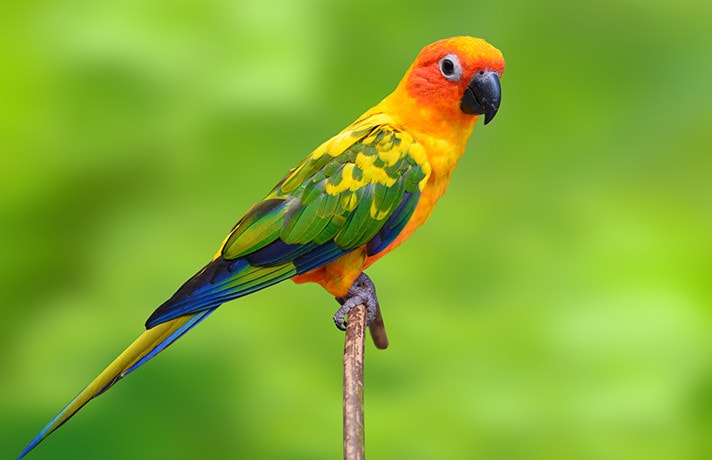
Sun Conures are small, bright-colored parrots. They have yellow, orange, and green feathers. Sun Conures are known for their playful and friendly nature. They are very social and love to interact with people. Sun Conures can also learn simple tricks and mimic sounds.
Reasons To Own A Sun Conure
There are many reasons to own a Sun Conure. Here are some of them:
- Colorful and Beautiful: Their bright colors make them stand out.
- Friendly and Social: They love to be around people and other birds.
- Playful: Sun Conures enjoy playing with toys and learning tricks.
- Affectionate: They often show love and affection to their owners.
| Feature | Male Sun Conure | Female Sun Conure |
|---|---|---|
| Size | Slightly larger | Slightly smaller |
| Behavior | More playful | More nurturing |
| Vocalization | Louder | Quieter |
Both male and female Sun Conures make great pets. The choice depends on your personal preference. Remember, each bird has its own unique personality.
Male Vs Female Traits
Choosing between a male or female Sun Conure can be tricky. Both have unique traits. Understanding their differences can help make the best choice.
Physical Differences
Male and female Sun Conures have subtle physical differences. Spotting these can be challenging without a trained eye.
- Size: Males are slightly larger than females.
- Head Shape: Males have a flatter head, while females have a rounded head.
- Feathers: Both sexes have bright feathers, but slight color variations may exist.
For accurate gender identification, a DNA test is often needed. This test can give a clear answer.
Behavioral Differences
Behavior varies between male and female Sun Conures. These differences can impact your choice.
- Temperament: Males may be more aggressive.
- Bonding: Females may bond quicker with their owners.
- Vocalization: Both sexes are noisy, but males might be louder.
These traits can help decide which bird suits your home.
Both males and females are affectionate and playful. They need attention and care from their owners. Understanding these traits can help create a happy home for your Sun Conure.
Personality Insights
Choosing between a male or female Sun Conure can be challenging. Each has unique personality traits. Understanding these traits can help you make an informed decision. Let’s dive into the common characteristics of both male and female Sun Conures.
Common Male Traits
Male Sun Conures often exhibit bold and outgoing behavior. They tend to be more adventurous and curious. This makes them great for families who enjoy interactive pets.
Here are some common traits of male Sun Conures:
- Playful: Males love to play with toys and explore new environments.
- Vocal: They can be loud and expressive, often mimicking sounds.
- Affectionate: They enjoy cuddling and being close to their owners.
- Protective: Males may become territorial, especially around their favorite person.
Common Female Traits
Female Sun Conures are known for their gentle and nurturing demeanor. They often form strong bonds with their owners and can be more reserved than males.
Here are some common traits of female Sun Conures:
- Calm: Females tend to be quieter and less noisy.
- Sociable: They enjoy socializing but are less demanding.
- Easygoing: Females are more adaptable to changes in their environment.
- Nurturing: They often show nurturing behavior, especially when nesting.

Credit: www.youtube.com
Health Considerations
Health considerations are essential when choosing between a male or female Sun Conure. Understanding genetic factors and lifespan expectations can help in making an informed decision.
Genetic Factors
Genetic factors significantly impact the health of Sun Conures. Each bird may carry specific genetic traits that influence its well-being. Male Sun Conures can be more prone to certain genetic conditions. Female Sun Conures might face different health challenges. Knowing these differences can help in providing better care.
| Health Aspect | Male | Female |
|---|---|---|
| Genetic Conditions | Higher risk | Moderate risk |
| Hormonal Changes | Less frequent | More frequent |
Lifespan Expectations
Lifespan expectations can vary between male and female Sun Conures. Typically, both genders have similar lifespans, but individual health conditions can affect this. Healthy Sun Conures can live up to 30 years. Proper care and regular vet visits are crucial for extending their lifespan.
- Male Sun Conures: Lifespan around 25-30 years
- Female Sun Conures: Lifespan around 25-30 years
Regular check-ups and a balanced diet play a vital role in their health. A stress-free environment also contributes to their overall well-being. Understanding these factors can help in making a well-informed decision.
Breeding And Reproduction
Sun Conures are vibrant and social birds. Breeding them can be rewarding. Deciding between a male and female depends on your goals. Understanding their breeding behaviors and nesting needs is essential.
Breeding Behaviors
Both male and female Sun Conures exhibit unique breeding behaviors. Males often display courtship dances and vocalizations. They might spread their wings and bob their heads. Females respond by becoming more receptive and may preen the male.
Breeding pairs form strong bonds. They spend time together and share food. This strengthens their connection and boosts breeding success.
Nesting Needs
Sun Conures need a proper nesting box to breed. A wooden box with soft bedding is ideal. The box should be spacious enough for the female to lay eggs.
Place the nesting box in a quiet, safe area. This ensures the birds feel secure. Keep the environment clean and free of disturbances.
Here is a table summarizing the nesting needs:
| Nesting Requirement | Details |
|---|---|
| Material | Wooden Box |
| Bedding | Soft Bedding |
| Location | Quiet and Safe |
| Maintenance | Clean Regularly |
Ensuring the right nesting environment is key. It helps improve breeding success.
Credit: be.chewy.com
Training And Socialization
Training and socializing your Sun Conure is crucial for a happy, well-behaved bird. Both male and female Sun Conures have unique traits. Understanding these can help you train them effectively.
Training Tips For Males
- Consistency: Male Sun Conures need consistent training sessions.
- Short Sessions: Keep training sessions short to hold their attention.
- Positive Reinforcement: Use treats and praise to encourage good behavior.
- Interactive Toys: Incorporate toys to make training fun and engaging.
- Social Interaction: Males thrive on social interaction. Spend quality time with them.
Training Tips For Females
- Patience: Female Sun Conures may need a bit more patience during training.
- Routine: Establish a training routine to help them learn faster.
- Reward System: Use a reward system to reinforce positive behaviors.
- Calm Environment: Ensure a calm training environment to minimize distractions.
- Consistency: Be consistent with commands and rewards for best results.
Both male and female Sun Conures can become well-trained pets with the right approach. Understanding their needs and behaviors is key to effective training.
Living Environment
Choosing between a male or female Sun Conure involves considering their living environment. Both genders need a comfortable and stimulating habitat to thrive. This includes their cage, play, and exercise areas.
Cage Requirements
Sun Conures need a spacious cage. A small cage can make them unhappy. The minimum cage size should be 24 x 24 x 24 inches. Ensure the cage bars are spaced 1/2 to 3/4 inches apart. This prevents the bird from escaping or getting stuck.
Include multiple perches and toys inside the cage. Natural wood perches are best for their feet. Rotate the toys often to keep them engaged. Provide a nesting box for your Sun Conure. This gives them a secure place to sleep.
| Item | Description |
|---|---|
| Cage Size | 24 x 24 x 24 inches |
| Bar Spacing | 1/2 to 3/4 inches |
| Perches | Natural wood |
| Toys | Various, rotated frequently |
| Nesting Box | For sleeping |
Play And Exercise
Sun Conures need daily play and exercise. They are active and curious birds. Set up a play area outside the cage. This can include a play gym or climbing tree.
Interactive toys are great for their mental stimulation. These can include puzzles and foraging toys. Daily flight time is also essential. Let them fly in a safe, enclosed space for at least an hour daily.
- Set up a play area with a gym or climbing tree.
- Provide interactive toys like puzzles and foraging toys.
- Allow at least one hour of safe flight time daily.
Both male and female Sun Conures benefit from these activities. Keeping them active ensures they remain healthy and happy.
Credit: www.parrotforums.com
Expert Recommendations
Choosing between a male or female Sun Conure can be challenging. Expert advice helps you make an informed decision. Read on for key insights from veterinarians and experienced owners.
Veterinarian Advice
Veterinarians offer valuable insights into the differences between male and female Sun Conures. They suggest considering the following factors:
- Health and Longevity: Both genders have similar health prospects.
- Temperament: Males can be more aggressive during mating season.
- Breeding: Only females lay eggs, which could lead to health issues.
Veterinarians recommend regular check-ups for early detection of health concerns. Discuss your choice with a vet to understand potential health implications.
Experienced Owner Tips
Experienced owners share practical tips for living with male and female Sun Conures. Here are some of their observations:
- Behavior: Males may exhibit more vocalizations and playfulness.
- Bonding: Females often form stronger bonds with their owners.
- Training: Both genders can be trained effectively with patience.
Many owners emphasize the importance of socialization and training. A well-socialized bird, regardless of gender, can be a delightful companion.
| Aspect | Male | Female |
|---|---|---|
| Temperament | Can be aggressive during mating | Generally calm, but protective |
| Vocalization | More vocal and playful | Less vocal, strong bonding |
| Egg Laying | Does not lay eggs | Lays eggs, potential health issues |
Ultimately, the choice between a male or female Sun Conure depends on your lifestyle and preferences. Understanding these expert recommendations can guide you to a decision that best fits your needs.
Frequently Asked Questions
Are Male Or Female Conures Better?
Both male and female conures can make great pets. Personality varies more by individual than gender. Choose based on temperament.
What Is The Friendliest Conure?
The Green-Cheeked Conure is often considered the friendliest conure. They are affectionate, playful, and enjoy human interaction.
Do Male And Female Conures Talk?
Both male and female conures can talk. Their ability varies individually. Training and social interaction enhance their talking skills.
Are Female Sun Conures Loud?
Yes, female sun conures are loud. They can produce high-pitched screams and frequent vocalizations throughout the day.
Conclusion
Choosing between a male or female Sun Conure depends on your preferences and lifestyle. Both genders are affectionate and playful. Consider their behavioral traits and compatibility with your home. Consult with a reputable breeder or veterinarian for personalized advice. A well-informed choice ensures a happy and healthy companion for years to come.

Viola R. Daigle
I'm Viola R. Daigle, a dedicated Internet Marketer. I work with WarriorPlus as a Vendor and Affiliate, and I’m also an Affiliate on JVZoo and Legendary Marketer. My passion is to provide honest and detailed reviews of Internet Marketing (IM) products and software. I love helping people choose the right tools and strategies to grow their online business with confidence.


