
Can a Sun Conure Get Too Much Sunlight? Essential Care Tips
Yes, a Sun Conure can get too much sunlight. Excessive exposure can lead to overheating and health issues.
Sun Conures thrive in environments that mimic their natural habitats, which include plenty of sunlight. While sunlight is crucial for their well-being, balance is essential. Direct exposure to intense sunlight for prolonged periods can cause overheating and dehydration. Ensure your Sun Conure has access to shaded areas and fresh water.
Observing their behavior and providing a comfortable environment helps maintain their health. A healthy amount of sunlight aids in vitamin D synthesis, which is vital for their bone health. Always monitor your bird’s environment to prevent any adverse effects from too much sunlight.

Credit: www.quora.com
Sun Conures And Their Natural Habitat
Sun Conures, also known as Sun Parakeets, are vibrant and intelligent birds. Their natural habitat plays a significant role in their health and behavior. Understanding where they come from can help us provide better care for them.
Origin And Climate
Sun Conures originate from the northeastern regions of South America. They are commonly found in countries like Brazil, Guyana, and Venezuela. These areas are known for their tropical and subtropical climates. The weather in these regions is warm and humid year-round.
In their natural habitat, Sun Conures experience plenty of sunlight. However, they also have access to shaded areas. This balance is crucial for their well-being. Here is a simple table to illustrate their natural climate conditions:
| Climate Aspect | Details |
|---|---|
| Temperature | 75°F to 85°F (24°C to 29°C) |
| Humidity | High, around 70% to 90% |
| Sunlight | Abundant with periods of shade |
Behavior In The Wild
In the wild, Sun Conures are very active and social birds. They live in flocks that provide protection and companionship. These birds spend their days foraging for food, flying, and socializing. They are most active during the morning and late afternoon.
Sun Conures use the middle of the day to rest in shaded areas. This behavior helps them avoid the intense midday sun. They seek out trees and dense foliage to cool off and stay protected from predators.
Understanding their natural behavior can help us replicate similar conditions in captivity. Providing both sunlight and shaded areas in their enclosure can mimic their natural habitat. This balance is essential for their physical and mental health.
Ideal Sun Exposure For Sun Conures
Sun Conures are vibrant and active birds that thrive in the right environment. Understanding their sunlight needs is essential for their well-being. Proper sun exposure can enhance their mood, feathers, and overall health.
Daily Sunlight Needs
Sun Conures need sunlight daily. Aim for at least 2-3 hours of direct sunlight each day. This helps them produce Vitamin D, which is crucial for their health.
Place their cage near a window where they can get natural light. Ensure there is no draft or direct wind.
Balancing Light And Shade
While sunlight is important, too much can be harmful. Sun Conures need a balance of light and shade. Ensure they have a shaded area to retreat to if they get too warm.
Use a cage cover or place their cage in a spot with partial shade. Monitor the temperature to avoid overheating.
Here's a quick reference table for ideal sun exposure:
| Time of Day | Sunlight Needs |
|---|---|
| Morning | 2-3 hours of direct sunlight |
| Afternoon | Partial shade with some sun |
| Evening | Indirect sunlight or shade |
Always ensure fresh water is available to keep your Sun Conure hydrated. Regularly check their behavior to adjust their sun exposure accordingly. Happy and healthy Sun Conures enjoy the right amount of sunlight and shade.
Signs Of Too Much Sunlight
Sun Conures are vibrant and energetic birds that love basking in the sun. But, can they get too much sunlight? The answer is yes. Recognizing the signs of too much sunlight is crucial for their health. Below are key indicators to watch for.
Physical Symptoms
Exposure to excessive sunlight can cause several physical symptoms in Sun Conures:
- Dehydration: Look for dry skin and lethargy.
- Feather Damage: Sun can bleach feathers, causing them to lose color.
- Burns: Prolonged sun exposure can lead to sunburn on exposed skin.
If you notice these signs, reduce their sun exposure immediately.
Behavioral Changes
Behavioral changes are another sign of too much sunlight:
- Increased Aggression: Sun Conures may become irritable.
- Restlessness: They may move around more and show signs of discomfort.
- Excessive Panting: Heavy breathing or panting is a clear indicator.
Monitoring their behavior can help you adjust their sun exposure.
| Symptoms | Physical | Behavioral |
|---|---|---|
| Dehydration | Yes | No |
| Feather Damage | Yes | No |
| Burns | Yes | No |
| Increased Aggression | No | Yes |
| Restlessness | No | Yes |
| Excessive Panting | No | Yes |
Keep an eye on both physical and behavioral symptoms. These signs can help you ensure your Sun Conure stays healthy and happy.
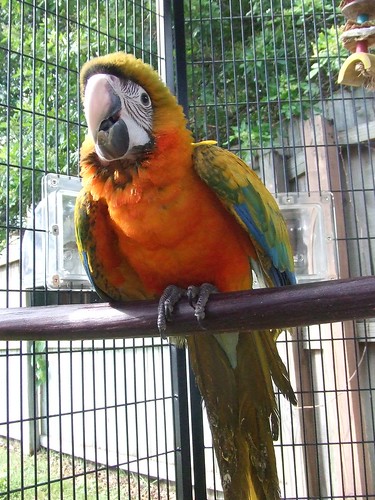
Credit: birdtricksstore.com
Preventing Overexposure
Sun Conures love sunlight, but too much can harm them. Overexposure to sunlight can lead to heatstroke and dehydration. It’s crucial to manage their sun exposure properly. Here are some ways to prevent overexposure for your Sun Conure.
Proper Cage Placement
Place the cage in a spot with both sun and shade. This ensures your Sun Conure can move to a cooler spot if it gets too hot. Avoid placing the cage near windows with direct sunlight all day. This can overheat the cage and stress your bird. Use a room with controlled light to maintain comfort.
Using Protective Covers
Use cage covers to provide shade during peak sunlight. Covering the cage partially helps protect your bird from direct sun. Choose breathable covers to ensure proper air circulation. This prevents your Sun Conure from getting too hot.
| Time of Day | Action |
|---|---|
| Morning | Allow some sunlight |
| Afternoon | Provide shade |
| Evening | Ensure comfort |
These steps help in keeping your Sun Conure safe and healthy. Proper sun exposure management is vital for their well-being.
Creating A Safe Outdoor Environment
Sun Conures love sunlight, but too much can be harmful. It's important to create a safe outdoor environment. This ensures your Sun Conure enjoys the benefits of sunlight without any risks.
Supervised Outdoor Time
Always supervise your Sun Conure during outdoor time. This keeps them safe from predators and hazards. Schedule outdoor time for cooler parts of the day, such as mornings or late afternoons. This helps avoid the harsh midday sun.
Provide shaded areas where your bird can rest. Use umbrellas or natural shade from trees. Make sure your Sun Conure has access to fresh water. This keeps them hydrated and cool.
Safe Aviary Design
A well-designed aviary is crucial for your Sun Conure. It should have both sunny and shaded areas. Use sturdy materials to protect from predators and harsh weather.
| Feature | Description |
|---|---|
| Shaded Areas | Provide shade with trees, umbrellas, or covers. |
| Fresh Water | Ensure constant access to clean, fresh water. |
| Sturdy Materials | Use strong materials for safety and durability. |
Install a UV-protected cover to filter harmful sun rays. This keeps your Sun Conure safe from overexposure. Ensure the aviary has good ventilation to prevent overheating. Fresh air keeps your bird comfortable and healthy.
Regularly clean the aviary to avoid any build-up of dirt or bacteria. This promotes a healthy environment for your Sun Conure. Use non-toxic materials and cleaners to ensure safety.
Indoor Lighting Solutions
Sun Conures need proper lighting for their health. Too much sunlight can harm them. Indoor lighting solutions can help. Learn about full-spectrum lighting and artificial light cycles below.
Full-spectrum Lighting
Full-spectrum lighting mimics natural sunlight. It provides all colors of light. This type of light is essential for your Sun Conure. It helps them stay healthy and happy.
Full-spectrum lights can be found in pet stores. They come in different forms. Some are bulbs, others are tubes. Choose one that fits your bird's cage setup.
Benefits of full-spectrum lighting:
- Promotes vitamin D production
- Helps regulate sleep cycles
- Improves mood and behavior
Artificial Light Cycles
Artificial light cycles are important. They mimic natural day and night. Set a timer for the lights. This helps your Sun Conure know when to sleep and wake.
Make sure the light is on for 12 hours. Then, turn it off for 12 hours. This creates a balanced cycle. Your bird will stay healthy and happy.
Tips for setting up artificial light cycles:
- Use a timer to automate light changes
- Avoid sudden changes in light intensity
- Place the cage away from direct sunlight
Remember, too much direct sunlight can be harmful. Always monitor your Sun Conure's behavior. Adjust the lighting as needed. Proper lighting ensures your bird's well-being.
Seasonal Care Adjustments
Ensuring your Sun Conure remains healthy involves understanding seasonal changes. Different seasons require unique care adjustments. This section will guide you through important tips for both summer and winter.
Summer Care Tips
Summer brings bright sunlight and high temperatures. While Sun Conures enjoy sunlight, too much can be harmful.
- Limit Direct Sunlight: Place the cage where the bird gets morning sunlight. Avoid direct midday sun.
- Shade and Water: Ensure access to shaded areas and fresh water. This keeps your bird cool and hydrated.
- Monitor Temperature: Use a thermometer to check the cage temperature. Ideal temperature is between 65-80°F (18-27°C).
- Ventilation: Ensure proper airflow. Use fans but avoid direct drafts on your bird.
- Outdoor Time: Supervised outdoor time is beneficial. Use a harness to keep your bird safe.
Winter Care Tips
Winter poses challenges with cold temperatures and reduced daylight. Adjusting your Sun Conure's care is crucial.
- Maintain Warmth: Keep the cage in a warm area. Avoid placing it near windows or doors.
- Artificial Lighting: Use full-spectrum lighting to compensate for reduced daylight. This helps maintain your bird’s health and mood.
- Humidity Levels: Winter air can be dry. Use a humidifier to maintain humidity around 50-60%.
- Balanced Diet: Provide a nutritious diet with fresh fruits and vegetables. This boosts your bird’s immune system.
- Limit Outdoor Exposure: Avoid taking your bird outside in cold weather. It can lead to hypothermia.

Credit: www.reddit.com
Consulting With An Avian Veterinarian
Sun Conures are vibrant, playful birds. They need proper care to thrive. Consulting with an avian veterinarian is essential. Veterinarians help ensure your bird's health and well-being. They offer expert advice on sunlight exposure and other care aspects.
Regular Check-ups
Schedule regular check-ups with your avian veterinarian. These appointments help monitor your bird's health. Routine visits can detect potential issues early. Your vet will check for signs of overexposure to sunlight. They will examine your Sun Conure's feathers, skin, and overall condition.
| Check-Up Frequency | Purpose |
|---|---|
| Every 6 months | General health assessment |
| As needed | Address specific concerns |
Addressing Sunlight Concerns
Discuss sunlight exposure with your vet during check-ups. Ask about the right amount of sunlight for your bird. Too much sunlight can cause health issues. Your vet can provide personalized advice based on your Sun Conure's needs.
- Monitor the bird's behavior and health.
- Check for signs of overexposure.
- Adjust the bird's environment accordingly.
Vets may suggest specific sunlight guidelines. They might recommend certain times for sun exposure. They may also advise on the use of UV lights. Always follow your vet's recommendations closely.
- Consult your vet regularly.
- Monitor your bird's sunlight exposure.
- Make adjustments as needed.
Frequently Asked Questions
Is Sunlight Good For Conures?
Yes, sunlight is beneficial for conures. It provides essential Vitamin D, supports their immune system, and boosts mood. Ensure they get sunlight safely, avoiding direct midday exposure.
How Long Can Parrots Stay In The Sun?
Parrots can stay in the sun for about 20-30 minutes. Ensure they have access to shade and water.
What Not To Do With A Sun Conure?
Do not leave your sun conure alone for long periods. Avoid feeding them chocolate, caffeine, or avocado. Never neglect their need for social interaction. Do not use non-stick cookware around them. Avoid sudden loud noises to prevent stress.
Should I Cover My Sun Conure At Night?
Yes, covering your sun conure at night helps ensure it gets enough sleep. Use a breathable, lightweight cover.
Conclusion
Sun Conures thrive with adequate sunlight but too much can be harmful. Monitor their exposure to prevent overheating. Provide shaded areas and ensure they always have fresh water. A balanced approach keeps your Sun Conure healthy and happy. Remember, moderation is key to their well-being.

Viola R. Daigle
I'm Viola R. Daigle, a dedicated Internet Marketer. I work with WarriorPlus as a Vendor and Affiliate, and I’m also an Affiliate on JVZoo and Legendary Marketer. My passion is to provide honest and detailed reviews of Internet Marketing (IM) products and software. I love helping people choose the right tools and strategies to grow their online business with confidence.


