
How Old is Your Sun Conure?: Discover Their Lifespan Secrets

A Sun Conure's lifespan is typically 20 to 30 years. They reach maturity around 1 to 2 years of age.
Sun Conures, also known as Sun Parakeets, are vibrant and playful birds. They are popular pets due to their colorful plumage and friendly nature. Owners often wonder about their bird's age and life expectancy. Sun Conures can live up to three decades with proper care.
These social birds require a lot of attention and mental stimulation. Healthy diets and regular vet visits contribute to their longevity. Understanding their needs is crucial for a happy, long-lived companion. Sun Conures bond deeply with their human families, making them delightful additions to any household. Investing in their well-being ensures many joyful years together.

Credit: www.reddit.com
Introduction To Sun Conures
Sun Conures are beautiful and lively parrots. They are known for their vibrant colors and playful nature. These birds are popular pets and bring joy to many homes.
Popular Parrot Species
Sun Conures belong to the parrot family. They are one of the most loved parrot species. Other popular parrot species include:
- Budgerigars - Small and colorful.
- African Grey Parrots - Known for their intelligence.
- Macaws - Large and strikingly beautiful.
Unique Characteristics
Sun Conures have some unique characteristics that make them special.
| Characteristic | Description |
|---|---|
| Color | Bright yellow, orange, and green feathers. |
| Size | Medium-sized, about 12 inches long. |
| Lifespan | Up to 30 years with proper care. |
| Personality | Playful, social, and affectionate. |
Lifespan Overview
Sun Conures are colorful, lively, and social birds. Knowing their lifespan is important for care and companionship. Let's explore their average lifespan and the factors that can affect their longevity.
Average Lifespan
The average lifespan of a Sun Conure is around 15 to 30 years. This varies based on care, diet, and environment. Wild Sun Conures often live shorter lives compared to those in captivity.
Factors Affecting Lifespan
Several factors can affect the lifespan of your Sun Conure:
- Diet: A balanced diet rich in fruits, vegetables, and grains.
- Exercise: Regular physical activity and mental stimulation.
- Healthcare: Routine vet check-ups and prompt medical attention.
- Environment: Clean and safe living conditions with minimal stress.
Ensuring these factors can help your Sun Conure live a long and healthy life.
Diet And Nutrition
Understanding your Sun Conure's diet is crucial. A balanced diet ensures a long, healthy life. Let's explore the essential nutrients and feeding schedule for your feathered friend.
Essential Nutrients
Your Sun Conure needs a variety of foods. These include fruits, vegetables, and grains. Here are some key nutrients:
- Protein: Provides energy and supports growth. Good sources include beans and lentils.
- Carbohydrates: Offer energy. Found in grains like quinoa and rice.
- Vitamins: Essential for health. Found in fruits and veggies like carrots and apples.
- Minerals: Important for bones and feathers. Found in leafy greens and nuts.
Feeding Schedule
Setting a consistent feeding schedule helps your Sun Conure stay healthy. Here is a simple daily routine:
| Time | Food |
|---|---|
| Morning | Fresh fruits and veggies |
| Afternoon | Grains and seeds |
| Evening | Small portion of pellets |
Offer fresh water all day. Clean the water dish daily.
Rotate the fruits and veggies to keep the diet interesting.
Exercise And Enrichment
Sun Conures are lively, active birds. They need regular exercise and mental stimulation. Exercise and enrichment keep your Sun Conure healthy and happy. Providing the right activities can prevent boredom and behavioral issues.
Physical Activity Needs
Sun Conures require daily physical activity. They love flying and climbing. You can provide a safe space for flying. A large cage with various perches helps them climb. Out-of-cage playtime is essential. Supervised playtime allows them to stretch their wings and explore.
Consider adding bird-safe toys in their cage. These toys encourage movement and play. Rotate toys to keep your Sun Conure interested. You can also set up an indoor bird gym. This setup can include swings, ladders, and ropes.
Mental Stimulation
Mental stimulation is as important as physical exercise. Sun Conures are intelligent and curious birds. They need activities that challenge their minds. Puzzle toys are a great option. These toys can hide treats, making your bird think.
Training sessions are another form of mental enrichment. Teach your Sun Conure simple tricks. Use positive reinforcement and treats. This keeps their mind active and strengthens your bond.
Interactive play is also beneficial. Spend time talking and playing with your bird. It keeps them engaged and prevents loneliness.
Below is a table summarizing the exercise and enrichment needs of Sun Conures:
| Type of Activity | Examples |
|---|---|
| Physical Activity | Flying, Climbing, Out-of-cage Playtime |
| Mental Stimulation | Puzzle Toys, Training Sessions, Interactive Play |
Health And Wellness
Ensuring the health and wellness of your Sun Conure is crucial. These vibrant birds need proper care to live a long, happy life.
Common Health Issues
Sun Conures can face several common health issues. Knowing these can help you spot problems early.
- Feather Plucking: Often a sign of stress or poor diet.
- Respiratory Infections: Symptoms include sneezing and nasal discharge.
- Psittacosis: A bacterial infection causing lethargy and appetite loss.
- Parasitic Infections: Look for itching or visible mites.
Preventive Care
Preventive care is key to maintaining your Sun Conure’s health. Follow these steps to ensure they stay well.
- Regular Vet Check-ups: Annual visits help catch issues early.
- Balanced Diet: Offer a mix of seeds, fruits, and vegetables.
- Clean Environment: Keep their cage clean to avoid infections.
- Exercise: Ensure they have enough space to fly and play.
- Mental Stimulation: Provide toys and social interaction to reduce stress.
Below is a table summarizing key aspects of Sun Conure care:
| Aspect | Details |
|---|---|
| Diet | Seeds, fruits, vegetables, and pellets |
| Exercise | Daily flight time and play |
| Vet Visits | At least once a year |
| Cage Cleaning | Weekly deep cleaning |
| Mental Health | Toys and social interaction |
Signs Of Aging
As your Sun Conure ages, you'll notice changes in behavior and appearance. Knowing these signs helps you care for your pet better. Let's explore the signs of aging in Sun Conures.
Behavioral Changes
Older Sun Conures often become less active. They may prefer to rest more and play less. Your bird might be less interested in exploring new toys. Interaction with you might also decrease.
Here are some common behavioral changes:
- Less vocalization
- Decreased curiosity
- Increased napping
- Reduced playfulness
Physical Changes
Physical signs of aging in Sun Conures are noticeable. Their feathers may lose some vibrancy and shine. Older birds might experience weight loss or gain. They may also develop arthritis.
Look for these physical changes:
| Physical Sign | Description |
|---|---|
| Feather Quality | Feathers may become dull and brittle. |
| Weight Fluctuations | Noticeable weight loss or gain. |
| Arthritis | Difficulty in perching or climbing. |
| Beak and Nail Growth | Slower growth rate of beak and nails. |
Monitoring these signs helps ensure your Sun Conure ages gracefully. Regular vet visits are important for their health.
Veterinary Care
Ensuring your Sun Conure's health is crucial for its long life. Regular veterinary care helps monitor their well-being. This section covers the importance of veterinary visits.
Regular Checkups
Regular checkups are essential for your Sun Conure. Birds often hide illnesses, so routine exams help catch issues early. Schedule a visit with an avian vet at least once a year.
- Weight and diet assessment
- Feather and skin condition check
- Beak and nail trimming
- Vaccinations and parasite control
During checkups, the vet will examine your bird's overall health. They may recommend blood tests or other diagnostics. Early detection of problems ensures better treatment outcomes.
Emergency Situations
Emergencies can happen anytime. Knowing the signs of distress is vital. Common emergency signs include:
| Symptoms | Possible Issues |
|---|---|
| Labored breathing | Respiratory infection |
| Lethargy | Severe illness |
| Bleeding | Injury or trauma |
| Vomiting | Poisoning or infection |
Contact your vet immediately if you notice these symptoms. Keep an emergency kit handy. Include items like:
- Gauze and bandages
- Antiseptic wipes
- Small scissors
- Contact numbers for local vets
Acting quickly can save your bird's life. Knowing your vet's emergency procedures is equally important. Plan ahead for unexpected situations.
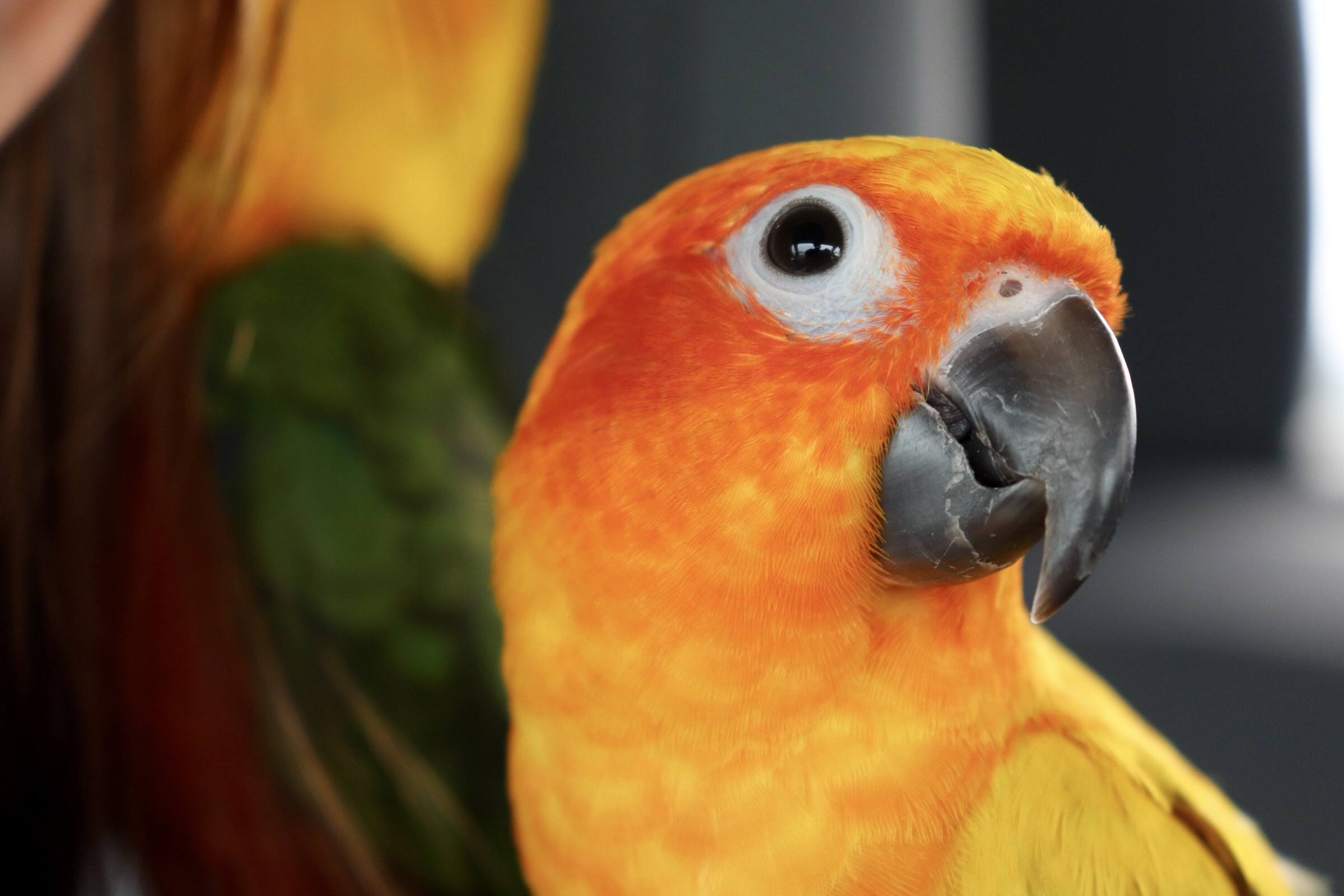
Credit: www.cuteness.com
Creating A Safe Environment
Ensuring your Sun Conure lives in a safe environment is crucial. This colorful bird needs a space that protects it from harm. Let's explore how to create a perfect home.
Cage Setup
The cage should be spacious enough for your Sun Conure to move freely. Ensure the bars are close enough to prevent escape. A suitable size is at least 24x24 inches. Use stainless steel cages as they are durable and safe.
| Item | Details |
|---|---|
| Cage Size | Minimum 24x24 inches |
| Bar Spacing | 1/2 to 3/4 inch |
| Material | Stainless Steel |
Place perches at different heights for exercise. Use natural wood perches to keep their feet healthy. Avoid plastic perches as they can cause foot problems.
- Multiple perches
- Natural wood
- Different heights
Provide toys to keep your bird entertained. Rotate toys regularly to prevent boredom. Ensure toys are bird-safe and non-toxic.
Household Hazards
Your home should be free from hazards. Some common items can be dangerous for Sun Conures.
- Non-stick cookware can emit toxic fumes when heated.
- Keep electrical cords out of reach to prevent chewing.
- Avoid using scented candles and air fresheners.
- Houseplants can be toxic; research safe plants.
Windows and mirrors can cause injury. Use curtains or decals to make them visible. Ensure doors and windows are always closed when the bird is out.
Be mindful of other pets. Cats and dogs can pose a threat to your bird. Supervise interactions to ensure safety.
By following these guidelines, you can create a safe and happy home for your Sun Conure.

Credit: www.reddit.com
Frequently Asked Questions
How Do I Tell How Old My Sun Conure Is?
To determine your sun conure's age, check its leg band for birth year. Also, observe feather color and behavior. For precise age, consult an avian vet.
How Long Does It Take For A Sun Conure To Be Fully Grown?
A sun conure typically reaches full maturity between 18 months to 2 years. They grow rapidly in their first year.
At What Age Is A Conure An Adult?
A conure is considered an adult at around 1 to 2 years old. They reach sexual maturity during this period.
Do Sun Conures Get More Yellow As They Age?
Yes, sun conures get more yellow as they age. Their green feathers turn yellow with maturity, usually by 18-24 months.
Conclusion
Determining your Sun Conure's age is essential for proper care. Observing physical traits can help estimate their age. Consult a vet for accurate information. Understanding their age ensures a healthy and happy life. Keep these tips in mind for better conure care.
Thanks for reading!

Viola R. Daigle
I'm Viola R. Daigle, a dedicated Internet Marketer. I work with WarriorPlus as a Vendor and Affiliate, and I’m also an Affiliate on JVZoo and Legendary Marketer. My passion is to provide honest and detailed reviews of Internet Marketing (IM) products and software. I love helping people choose the right tools and strategies to grow their online business with confidence.


