
Why Do Sun Conures Bob Their Heads: Fascinating Insights Revealed
Sun Conures bob their heads to communicate and show excitement. This behavior can also indicate curiosity or playfulness.
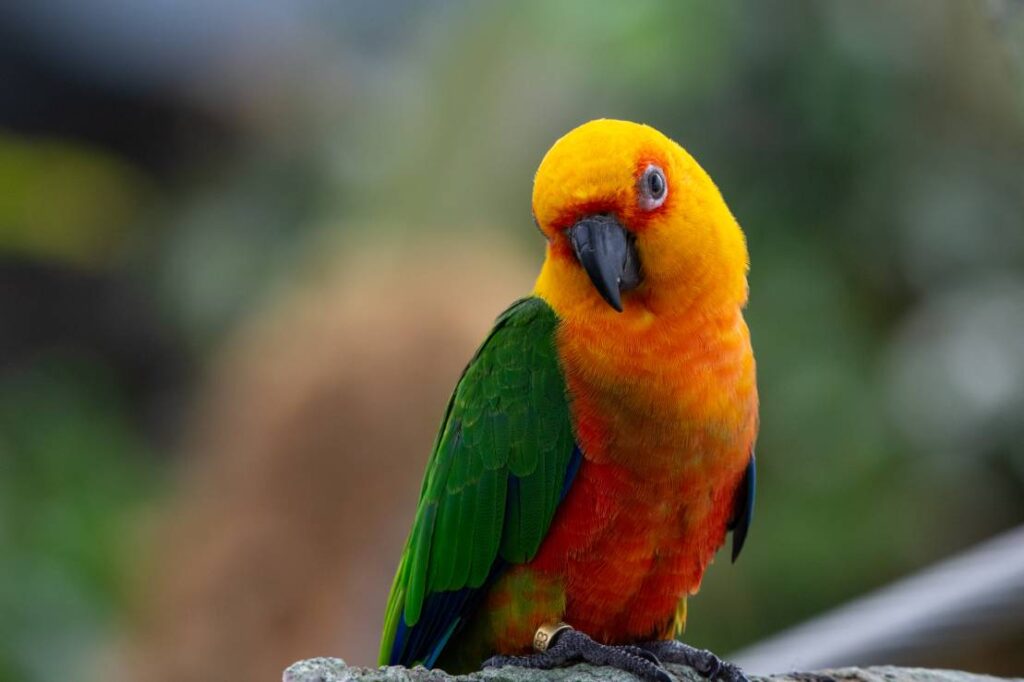
Sun Conures are vibrant, social birds known for their colorful plumage and lively personalities. Head bobbing is a common behavior in these parrots, often seen during social interactions. They may bob their heads to grab attention, express happiness, or signal readiness to play.
Observing this behavior helps bird owners understand their pet's emotions and needs. Recognizing these cues fosters a stronger bond between pet and owner. Proper interaction and engagement ensure a healthy and happy Sun Conure. Understanding head bobbing can enhance your relationship with these delightful birds.

Credit: www.tiktok.com
Introduction To Sun Conures
Sun Conures are vibrant parrots known for their bright colors and playful nature. These birds make excellent pets due to their affectionate behavior and intelligence. They are also known for their unique head-bobbing behavior, which intrigues many bird enthusiasts.
Origin And Habitat
Sun Conures originate from northeastern South America. They are found in countries like Brazil, Venezuela, and Guyana. These birds thrive in tropical forests, coastal woodlands, and savannas. Their natural habitat provides them with ample food and nesting sites.
Physical Characteristics
Sun Conures are small to medium-sized parrots. They have bright yellow and orange feathers. Their wings and tail feathers exhibit shades of green and blue. They have strong, curved beaks designed for cracking nuts and seeds.
Below is a table summarizing their key physical traits:
| Feature | Description |
|---|---|
| Size | 12 inches (30 cm) |
| Weight | 4 to 5 ounces (113-140 grams) |
| Color | Yellow, orange, green, blue |
| Beak | Strong and curved |
Sun Conures have distinct vocalizations. They use these sounds to communicate with their flock. Their head-bobbing is another form of communication, showing excitement or curiosity.
Behavioral Traits
Sun Conures are known for their vibrant colors and playful behaviors. One of their most charming traits is head bobbing. This behavior can seem mysterious, but it has clear reasons rooted in their nature.
Social Nature
Sun Conures are highly social birds. They thrive on interaction with their flock and human companions. Head bobbing is one way they show their social side. When a Sun Conure bobs its head, it might be saying hello. They use this action to grab attention and invite interaction.
Communication Methods
Head bobbing is also a form of communication. Sun Conures use it to express various emotions. They may bob their heads to show excitement or happiness. This behavior can also indicate they are curious about something. Below is a table showing different communication methods:
| Behavior | Meaning |
|---|---|
| Head Bobbing | Excitement, greeting, curiosity |
| Feather Fluffing | Relaxation, comfort |
| Screeching | Alert, call for attention |
Understanding these behaviors can help in better bonding with your Sun Conure. Knowing why they bob their heads enhances the joy of having these colorful companions.
Head Bobbing Explained
Sun Conures are lively, colorful birds. Head bobbing is one of their unique behaviors. Understanding this can help you connect better with your pet.
Typical Movements
Head bobbing involves a rhythmic up-and-down motion. This movement can be slow or fast.
- Slow bobbing often means the bird is relaxed.
- Fast bobbing shows excitement or curiosity.
Sun Conures may also tilt their heads. This helps them see their surroundings better.
Common Triggers
Several factors can trigger head bobbing:
- Attention seeking: Your bird wants your focus.
- Excitement: New toys or food can cause this.
- Communication: Birds use bobbing to talk to each other.
Understanding these triggers can make you a better bird owner. It helps build a strong bond with your Sun Conure.
Social Interaction
Sun Conures are known for their vibrant colors and lively personalities. One of their most charming behaviors is head bobbing. This action is often a form of social interaction. It helps them communicate with humans and other birds.
Bonding With Humans
Sun Conures bob their heads to bond with humans. This behavior shows affection and trust. When a Sun Conure bobs its head, it is trying to get your attention. It may also want to play or receive a treat. This is a sign that your bird feels comfortable with you.
Here are a few ways to strengthen the bond:
- Spend time talking to your bird.
- Offer treats and toys.
- Gently pet your Sun Conure.
These actions will encourage more head bobbing and social interaction.
Interacting With Other Birds
Sun Conures also bob their heads to communicate with other birds. This can be a way to show excitement or to establish a social hierarchy. When two Sun Conures bob their heads at each other, they are likely bonding. They might also be sharing information or showing that they are friendly.
Here is a table showing different head bobbing meanings:
| Head Bobbing | Meaning |
|---|---|
| Fast Bobbing | Excitement or Playfulness |
| Slow Bobbing | Calm Interaction |
| Mutual Bobbing | Bonding or Friendship |
Understanding these signals can help you better interact with your Sun Conure and other birds.
Health Indicators
Sun Conures are lively birds known for their bright colors and playful behavior. One common behavior is head bobbing, which can indicate various health states.
Signs Of Well-being
Head bobbing often shows a Sun Conure is healthy and happy. It can be a sign of excitement, especially during play or interaction.
Here are some other signs of well-being:
- Bright, clear eyes
- Clean feathers with vibrant colors
- Active and playful demeanor
- Strong appetite
All these signs, including head bobbing, can indicate a content and healthy bird.
Detecting Illness
Sometimes head bobbing may suggest a health issue. Look for these signs:
| Symptom | Possible Cause |
|---|---|
| Lethargy | Infection or illness |
| Fluffed up feathers | Cold or fever |
| Poor appetite | Digestive issues |
| Discharge from eyes or nostrils | Respiratory problems |
If you notice these symptoms along with head bobbing, consult a vet immediately.
Credit: pangovet.com
Training And Enrichment
Sun conures are intelligent birds that need mental stimulation. Training and enrichment play a key role in their happiness. Head bobbing is often part of their playful nature.
Teaching Tricks
Teaching your sun conure tricks can be fun. Simple tricks can keep your bird entertained. Start with easy commands like "step up" and "wave". Use positive reinforcement such as treats and praise.
Break each trick into small steps. Practice regularly but keep sessions short. Your bird will enjoy the interaction and show off its skills.
Providing Stimulation
Provide various toys and activities for your sun conure. Rotate toys to keep them interested. Use puzzle toys to challenge their mind.
Spend time with your bird outside the cage. Play interactive games like fetch or hide and seek. Use different textures and sounds to stimulate their senses.
| Activity | Benefits |
|---|---|
| Puzzle Toys | Enhances problem-solving skills |
| Interactive Games | Builds bond with owner |
| Varied Toys | Prevents boredom |
Impact Of Environment
Understanding why Sun Conures bob their heads involves looking at their environment. Their surroundings greatly influence their behavior. A well-structured environment can make them feel safe and happy.
Cage Setup
The cage setup plays a significant role in a Sun Conure's behavior. A spacious cage allows them to move freely. Place perches at different heights for climbing and exercise. Ensure the cage has toys to keep them engaged. Rotate toys regularly to maintain their interest.
- Spacious cage
- Perches at different heights
- Engaging toys
- Regular toy rotation
Include natural branches for perching. This mimics their natural habitat. A well-setup cage reduces stress and encourages natural behaviors. Ensure the cage is placed in a quiet, safe spot. This helps them feel secure.
Daily Routine
A consistent daily routine benefits Sun Conures. Regular feeding times help them feel secure. Include time for interaction and play. This strengthens your bond with them. A routine that includes mental stimulation is important. This can be through training or puzzle toys.
- Regular feeding times
- Interaction and play
- Mental stimulation
- Training sessions
Daily out-of-cage time is crucial. It allows them to explore and exercise. Ensure they have a safe space to do so. This routine helps reduce head bobbing due to boredom or stress. A well-structured day keeps them happy and healthy.

Credit: www.reddit.com
Frequently Asked Questions
What Does It Mean When A Conure Bobs Its Head Up?
A conure bobbing its head often shows excitement, curiosity, or a desire for attention. It can also indicate hunger.
Why Does My Bird Keep Bobbing His Head?
Birds bob their heads to communicate, show excitement, or seek attention. It can also indicate hunger or curiosity.
Why Do Sun Conures Fluff Up?
Sun conures fluff up to regulate their body temperature, show comfort, or express emotions like happiness or stress.
Why Do Sun Conures Scream?
Sun conures scream to communicate, express excitement, seek attention, or signal distress. They also mimic environmental sounds.
Conclusion
Understanding why Sun Conures bob their heads enhances your bond with these vibrant birds. It signifies communication, emotion, and health. Observing these behaviors helps ensure a happy, thriving pet. Enjoy the colorful antics of your Sun Conure, knowing their head bobbing is a sign of joy and well-being.

Viola R. Daigle
I'm Viola R. Daigle, a dedicated Internet Marketer. I work with WarriorPlus as a Vendor and Affiliate, and I’m also an Affiliate on JVZoo and Legendary Marketer. My passion is to provide honest and detailed reviews of Internet Marketing (IM) products and software. I love helping people choose the right tools and strategies to grow their online business with confidence.


