
How to Breed Sun Conures: Expert Tips and Tricks
To breed Sun Conures, provide a spacious cage and create a comfortable nesting environment. Ensure both birds are healthy and of breeding age.
Sun Conures are vibrant, social parrots known for their striking colors and playful nature. Breeding these birds requires careful preparation and attention to detail. Start by selecting a compatible pair and ensuring they are in optimal health. A spacious cage with plenty of room to move is essential.
Provide a nesting box filled with soft bedding material. Maintain a consistent temperature and humidity level. Offer a balanced diet rich in nutrients to encourage breeding. Regularly monitor the birds for signs of bonding and nesting behavior. With patience and proper care, you can successfully breed Sun Conures and enjoy their lively offspring.
Credit: bikisaviary.medium.com
Introduction To Sun Conures
Sun Conures are vibrant, colorful parrots. They are known for their playful and affectionate nature. Breeding Sun Conures can be a rewarding experience.
Unique Characteristics
Sun Conures have a bright yellow and orange plumage. Their feathers also include hints of green and blue. They are medium-sized parrots, measuring about 12 inches in length.
| Characteristic | Description |
|---|---|
| Color | Yellow, orange, green, and blue |
| Size | Medium, about 12 inches |
| Nature | Playful and affectionate |
Why Breed Sun Conures
Breeding Sun Conures can be both fun and challenging. These parrots are social and enjoy human interaction. They bond closely with their owners.
- Vibrant colors make them visually appealing.
- Affectionate nature makes them great pets.
- Intelligence allows for easy training.
Breeding Sun Conures can help preserve their species. It also offers a chance to experience their delightful behaviors daily.
Setting Up The Breeding Environment
Creating the perfect environment is crucial for breeding Sun Conures. Proper setup ensures the birds feel safe and comfortable. This environment influences their health and breeding success.
Ideal Cage Size
The cage size is essential for Sun Conures' well-being. A spacious cage allows them to move freely. The minimum cage size should be 24 inches in length, 24 inches in width, and 36 inches in height.
| Cage Dimension | Minimum Requirement |
|---|---|
| Length | 24 inches |
| Width | 24 inches |
| Height | 36 inches |
Include perches at different heights. This helps the birds exercise. Add a nesting box for breeding privacy. The nesting box size should be 12 inches by 12 inches by 12 inches.
Temperature And Humidity
Sun Conures thrive in a controlled environment. Maintain the temperature between 70°F and 80°F.
- Use a reliable thermometer to monitor the temperature.
- Avoid sudden temperature changes to prevent stress.
Humidity is also important. Keep the humidity level between 50% and 60%. Use a hygrometer to check humidity levels.
- Ensure good ventilation in the room.
- Place a water dish inside the cage for added humidity.
A well-maintained environment increases the chances of successful breeding. Always prioritize the birds' comfort and health.
Choosing Healthy Breeding Pairs
Breeding Sun Conures can be a rewarding experience. The first step is to choose healthy breeding pairs. This ensures a better chance of successful breeding and healthy chicks. Here are some key factors to consider.
Signs Of Health
Healthy Sun Conures show clear signs of good health. Watch for bright and clear eyes. The bird's feathers should be smooth and vibrant.
- Bright eyes
- Vibrant feathers
- Active and alert behavior
- Normal appetite
- Clean and well-groomed appearance
Check for any signs of illness. Avoid birds with dull feathers, nasal discharge, or lethargy. Healthy birds are active and curious.
Pair Compatibility
Pair compatibility is crucial for successful breeding. Birds should be similar in age and size. This helps to ensure mutual comfort and safety.
Observe their behavior together. Compatible pairs will preen each other and sit close together. They should show signs of bonding.
| Compatible Pair Traits |
|---|
| Similar age |
| Similar size |
| Mutual preening |
| Close sitting |
| Bonding behavior |
Avoid pairing aggressive birds. Aggression can lead to injury or stress. Choose birds that show affection and compatibility.
Diet And Nutrition
Ensuring proper diet and nutrition is essential for breeding healthy Sun Conures. A well-balanced diet supports their overall health, boosts their immune system, and enhances their breeding success. Here, we outline the essential nutrients and supplement recommendations for breeding Sun Conures.
Essential Nutrients
Sun Conures need a variety of nutrients to stay healthy. Below are some key nutrients they require:
- Proteins: Essential for muscle and feather development. Include beans and legumes.
- Vitamins: Vital for overall health. Offer fruits like apples and oranges.
- Minerals: Important for bone health. Provide cuttlebone and mineral blocks.
- Carbohydrates: Provide energy. Include grains like rice and oats.
- Fats: Necessary for energy and cell health. Offer nuts and seeds in moderation.
Supplement Recommendations
Alongside a balanced diet, supplements can ensure your Sun Conures get all the nutrients they need:
| Supplement | Benefits |
|---|---|
| Calcium Supplements | Support bone health and egg-laying. |
| Vitamin D3 | Aids in calcium absorption. |
| Probiotics | Promote a healthy digestive system. |
| Omega-3 Fatty Acids | Enhance feather quality and overall health. |
Incorporate these supplements into their diet as needed. Always consult a vet for precise dosages and recommendations.
Mating Behavior
Understanding the mating behavior of Sun Conures is essential for successful breeding. These colorful birds have unique rituals and signs that indicate they are ready to mate.
Courtship Rituals
Sun Conures engage in specific courtship rituals to attract a mate. These rituals include:
- Feeding each other
- Preening each other's feathers
- Performing a dance with wings spread
These actions help build a bond between the pair. They create trust and show readiness to mate.
Successful Mating Signs
Recognizing successful mating signs is crucial for breeders. Look for these indicators:
- Increased vocalization between the pair
- Frequent mutual grooming
- Spending more time together in the nest
If you see these signs, mating has likely occurred. Prepare for the next steps in the breeding process.
Egg Laying And Incubation
Breeding Sun Conures can be a rewarding experience. The egg-laying and incubation process is crucial for successful breeding. Proper care during this phase ensures healthy chicks.
Nest Box Setup
Setting up a nest box is the first step. The nest box should be safe and comfortable.
- Size: The ideal size is 12x12x18 inches.
- Material: Use wood for durability and insulation.
- Location: Place it in a quiet and stable area.
Line the nest box with soft bedding. Shredded paper or wood shavings work well. Ensure the bedding is clean and dry.
Incubation Period
After laying, the incubation period begins. Sun Conure eggs usually hatch in 23 to 27 days.
| Stage | Duration (Days) |
|---|---|
| Incubation | 23-27 |
| Hatching | 1-2 |
During this period, maintain a stable environment. Keep the temperature around 99°F and humidity at 50-60%.
Monitor the eggs regularly. Candling helps check embryo development.
Be patient and handle the eggs with care. Do not disturb the nesting birds frequently.
Caring For Hatchlings
Raising Sun Conure hatchlings requires careful attention and dedication. These vibrant birds need proper care to grow healthy and strong. Focus on their feeding, monitor their growth, and ensure they are warm and safe.
Feeding Hatchlings
Feeding Sun Conure hatchlings is crucial for their development. Use a syringe or a spoon to feed them. Offer a commercial hand-feeding formula specifically made for parrots. Feed them every 2-3 hours during the day.
As they grow, gradually reduce the feeding frequency. Maintain a consistent feeding schedule. Ensure the formula is at the right temperature, around 105°F (40°C). Always clean the feeding tools thoroughly after each use.
Monitoring Growth
Keep a close watch on the hatchlings' growth. Weigh them daily to track their progress. Use a digital scale for accurate readings. Record their weight in a logbook to observe trends and changes.
Check their feathers and skin. Healthy hatchlings will have bright, clean feathers and smooth skin. If you notice any abnormalities, consult a vet immediately.
Below is a simple table to help you track their growth:
| Day | Weight (grams) | Notes |
|---|---|---|
| Day 1 | 5 | Initial weight |
| Day 2 | 7 | Steady growth |
| Day 3 | 10 | Healthy progress |
By carefully monitoring their growth and feeding them properly, you can ensure your Sun Conure hatchlings thrive.
Common Breeding Challenges
Breeding Sun Conures can be a rewarding experience. Yet, it comes with its own set of challenges. Common breeding challenges can often deter even the most dedicated breeders. Understanding these challenges helps in better preparation and success.
Infertility Issues
Infertility can be a major hurdle in breeding Sun Conures. Both male and female birds might face this issue. Several factors contribute to infertility:
- Age: Birds too young or too old might not breed well.
- Diet: Poor nutrition affects fertility.
- Health: Illnesses can impair reproductive abilities.
Ensure that both birds are of optimal breeding age. Provide a nutrient-rich diet to support their health. Regular health check-ups can identify and treat underlying issues.
Preventing Diseases
Disease prevention is crucial for successful breeding. Healthy birds produce healthier chicks. Here are some steps to prevent diseases:
- Clean the cage regularly.
- Provide fresh water daily.
- Ensure proper ventilation in the breeding area.
Vaccinations can protect birds against common diseases. Quarantine new birds before introducing them to the breeding pair. This practice prevents the spread of infections.
Avoid overcrowding the cage. Overcrowded spaces can lead to stress and diseases. Provide ample space for each bird.
Preparing For New Owners
Breeding Sun Conures is both rewarding and challenging. Once the chicks are ready, it's vital to prepare them for their future homes. This involves socializing the young birds and finding reputable buyers. Ensuring a smooth transition helps the birds adapt and thrive.
Socializing Young Birds
Socializing young Sun Conures is crucial. They need to be friendly and comfortable with humans. Spend time daily interacting with each chick.
- Handle the chicks gently for short periods.
- Introduce them to different sounds and environments.
- Allow them to explore outside their cage under supervision.
These steps help the chicks become well-adjusted pets. Socialized birds are happier and more confident in new settings.
Finding Reputable Buyers
Finding reputable buyers ensures the birds go to good homes. Start by creating a list of potential buyers.
- Screen interested buyers with questions about their experience.
- Verify their knowledge of bird care.
- Check for a suitable living environment for the birds.
Use online platforms and local bird clubs to find potential buyers. Always prioritize the bird's welfare over a quick sale.
Consider a contract that outlines the care requirements for Sun Conures. This guarantees the new owners understand their responsibilities.
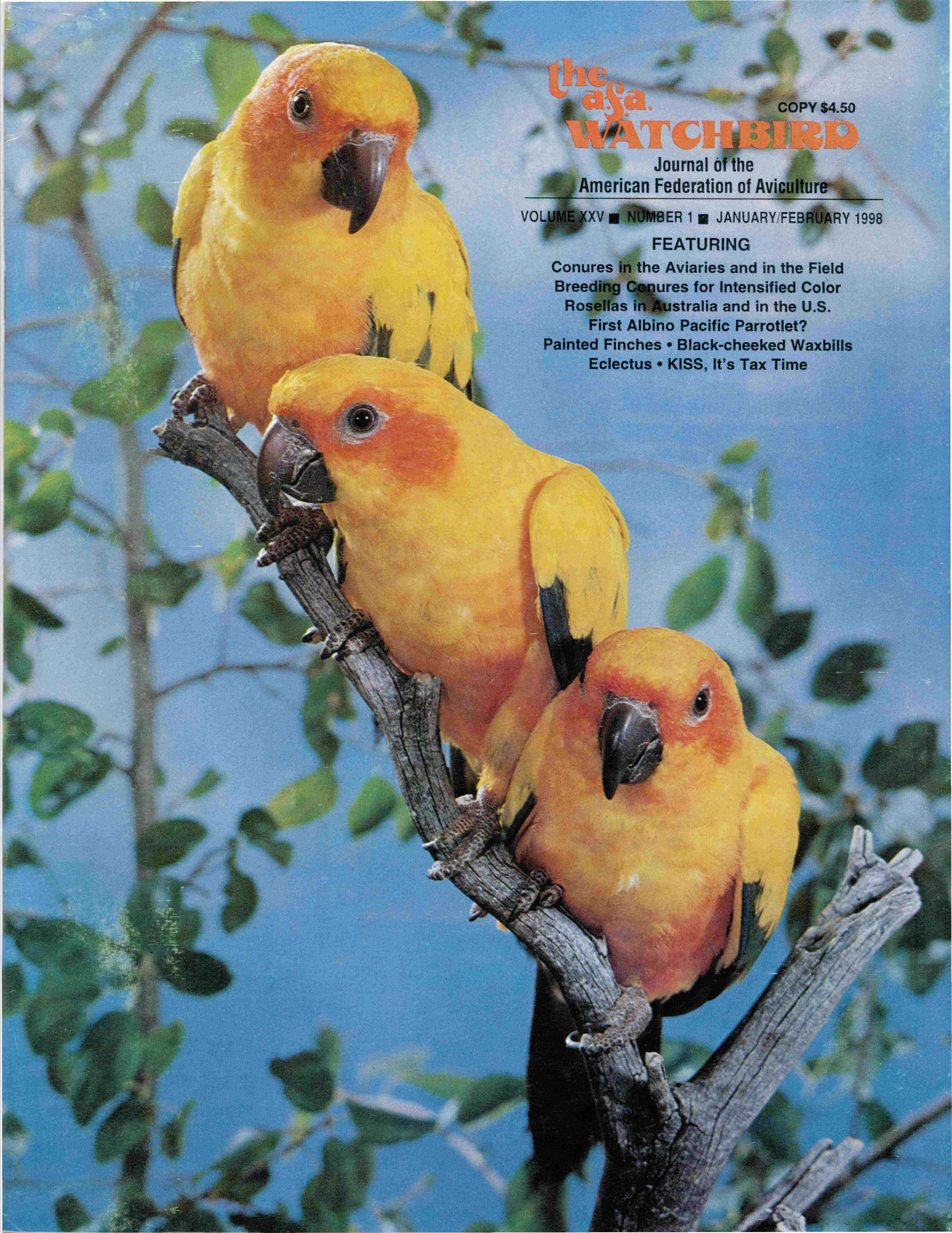
Credit: watchbird-ojs-tamu.tdl.org
Credit: www.quora.com
Frequently Asked Questions
Is It Easy To Breed Sun Conures?
Breeding sun conures can be challenging for beginners. They require proper care, diet, and a suitable environment.
How Do I Get My Conures To Breed?
Provide a spacious cage, balanced diet, and nesting box. Ensure they are healthy and stress-free. Maintain an appropriate light cycle.
How Many Times A Year Do Sun Conures Lay Eggs?
Sun conures typically lay eggs 2-3 times a year. Each clutch usually contains 3-5 eggs.
What Age Can Female Sun Conures Breed?
Female sun conures can breed at around 2 years of age. Ensure they are healthy and well-nourished for breeding.
Conclusion
Breeding Sun Conures can be a rewarding experience. Ensure proper care, diet, and environment for successful breeding. Monitor their health and provide a safe nesting space. With patience and dedication, you'll enjoy raising healthy and vibrant Sun Conures. Happy breeding!

Viola R. Daigle
I'm Viola R. Daigle, a dedicated Internet Marketer. I work with WarriorPlus as a Vendor and Affiliate, and I’m also an Affiliate on JVZoo and Legendary Marketer. My passion is to provide honest and detailed reviews of Internet Marketing (IM) products and software. I love helping people choose the right tools and strategies to grow their online business with confidence.


