
What is a Sun Conure: A Vibrant Parrot Guide
A Sun Conure is a vibrant, medium-sized parrot native to South America. It is known for its bright plumage and social nature.
Sun Conures, also called Sun Parakeets, are popular pets due to their striking colors and playful personalities. These birds have a lifespan of up to 30 years with proper care. Their plumage features a mix of yellow, orange, and green, making them easily recognizable.
Sun Conures are known for being affectionate and can form strong bonds with their owners. They are also quite vocal and enjoy mimicking sounds. These parrots require a spacious cage, mental stimulation, and a balanced diet. Proper care and social interaction are essential for a healthy, happy Sun Conure.
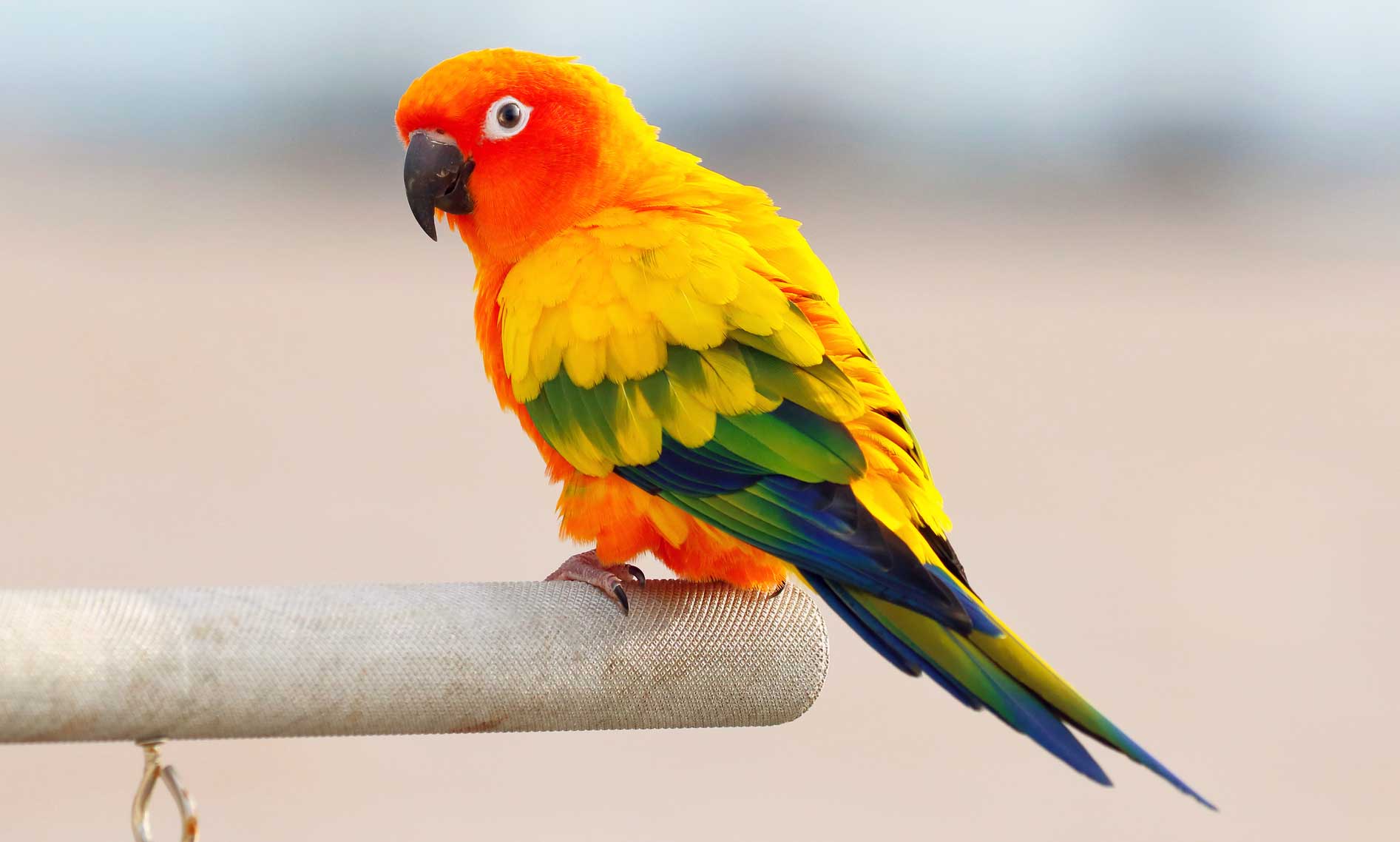
Credit: be.chewy.com
Introduction To Sun Conures
Sun Conures are colorful and vibrant birds. They belong to the parrot family. Known for their bright plumage and playful nature, they are a favorite among bird lovers.
Brief Overview
Sun Conures are medium-sized parrots. They have a length of about 12 inches. Their feathers are a mix of yellow, orange, and green. They are native to South America. They thrive in tropical forests and savannas.
These birds are known for their loud calls. They use their calls to communicate with each other. Sun Conures are social birds. They prefer living in flocks. In the wild, they are active during the day.
Popularity As Pets
Sun Conures are popular pets due to their vibrant colors and playful nature. They bond strongly with their owners. They enjoy playing with toys and exploring their surroundings.
They require a lot of attention and mental stimulation. Owners need to spend time interacting with them daily. Sun Conures are also known for their intelligence. They can learn tricks and mimic sounds.
Here is a brief overview of their characteristics as pets:
- Size: Medium (about 12 inches)
- Diet: Fruits, vegetables, and bird pellets
- Lifespan: 20-30 years
- Behavior: Social, playful, and loud
- Care Level: Moderate
Sun Conures make wonderful pets for those who can meet their needs. They bring color and joy to any home.
Physical Characteristics
Sun Conures are known for their vibrant and eye-catching appearance. Let's dive into their stunning physical traits.
Coloration
Sun Conures are famous for their brilliant coloration. Their plumage is a dazzling mix of yellow, orange, and green. The head and body are predominantly bright yellow and deep orange. The wings feature green feathers with touches of blue. This vivid coloration makes them stand out in any setting.
Size And Lifespan
Sun Conures are medium-sized parrots. They measure around 12 inches in length. Their wingspan ranges from 5.9 to 6.7 inches. Despite their size, they are quite agile and active.
Sun Conures have a long lifespan. With proper care, they can live up to 30 years. This makes them a long-term commitment for any bird enthusiast.
| Characteristic | Details |
|---|---|
| Coloration | Yellow, Orange, Green, Blue |
| Size | 12 inches in length |
| Wingspan | 5.9 to 6.7 inches |
| Lifespan | Up to 30 years |
Behavior And Temperament
The Sun Conure, known for its striking colors, is also loved for its lively behavior and affectionate temperament. This bird species thrives on interaction and is known to be very social. Below, we explore its behavior and temperament in more detail.
Social Nature
Sun Conures are extremely social birds. They often form strong bonds with their owners and other birds. This species loves spending time with people. They enjoy playing, cuddling, and even riding on shoulders. It's important to give them plenty of attention. Without it, they may become lonely or bored.
These birds are very curious. They often explore their surroundings and toys. Providing a variety of toys and activities can keep them entertained. This helps prevent behavioral problems like feather plucking.
Vocalization
Sun Conures are known for their loud vocalizations. They have a variety of calls and sounds. These sounds can range from sweet chirps to loud squawks. They often use their voice to communicate with their owners and other birds.
If you live in an apartment, consider the noise level. These birds can be quite loud, especially during the early morning and evening. Training and social interaction can help manage their vocalizations.
Sun Conures may also mimic sounds and words. This can be a fun way to engage with your bird. Teaching them new sounds can be a rewarding experience for both of you.
Habitat And Natural Environment
Understanding the habitat and natural environment of a Sun Conure is essential. It helps us appreciate these vibrant birds. Their natural surroundings influence their behavior, diet, and lifestyle.
Geographic Range
Sun Conures are native to northeastern South America. They inhabit regions in Brazil, Guyana, and Venezuela. In these areas, they thrive in tropical environments.
They prefer coastal forests, savannas, and semi-deciduous woodlands. These habitats offer abundant food sources. The climate is warm and humid, ideal for their needs.
Wild Habits
Sun Conures are social birds. They often form flocks of 20 to 30 members. Flocking helps them find food and stay safe from predators.
They are active during the day. They spend their time foraging, playing, and grooming each other. Their diet includes fruits, seeds, nuts, and flowers.
At night, they roost together in tree hollows. This provides shelter and warmth. Their vibrant colors help them blend into the colorful forest canopy.
| Habitat Feature | Description |
|---|---|
| Geographic Range | Northeastern South America |
| Preferred Habitat | Coastal forests, savannas, woodlands |
| Climate | Warm and humid |
| Flock Size | 20 to 30 birds |
| Diet | Fruits, seeds, nuts, flowers |
Diet And Nutrition
Sun Conures are vibrant and active birds. Their diet is crucial for their health. They need a balanced diet to thrive.
Preferred Foods
Sun Conures love a mix of fruits, vegetables, and seeds. Here’s a list of their favorite foods:
- Fruits: Apples, bananas, grapes, and berries.
- Vegetables: Carrots, spinach, and broccoli.
- Seeds: Sunflower seeds and millet.
- Nuts: Almonds and walnuts in moderation.
Fresh water should always be available. Avoid giving them chocolate, caffeine, or avocado. These are toxic to birds.
Feeding Schedule
Feed your Sun Conure twice a day. Offer fresh food in the morning and evening. Remove any uneaten food to prevent spoilage.
| Time | Food Type |
|---|---|
| Morning | Fresh fruits and vegetables |
| Evening | Seeds and pellets |
Ensure a balanced diet by rotating the foods. This keeps their diet interesting and nutritious.

Credit: en.wikipedia.org
Health And Wellness
Sun Conures are known for their vibrant colors and playful personalities. Keeping them healthy is essential for their well-being and long life. This section covers common health issues and how to prevent them.
Common Health Issues
Sun Conures can face several health problems. Knowing the signs helps in early detection.
- Feather Plucking: Often due to stress or boredom. It can also be a sign of illness.
- Respiratory Issues: Symptoms include wheezing or nasal discharge. Poor air quality can be a cause.
- Psittacosis: A bacterial infection that can spread to humans. Symptoms include lethargy and difficulty breathing.
- Parasitic Infections: Mites and lice can affect their feathers and skin.
Preventative Care
Prevention is better than cure. Here are some tips to keep your Sun Conure healthy.
- Balanced Diet: Provide a mix of fruits, vegetables, and pellets.
- Regular Vet Check-ups: Annual visits help catch problems early.
- Clean Environment: Keep the cage and living area clean.
- Proper Social Interaction: Spend time with your bird daily to reduce stress.
- Safe Toys: Offer toys that are safe to chew and play with.
Below is a table summarizing key aspects of Sun Conure health care:
| Aspect | Details |
|---|---|
| Diet | Fruits, vegetables, and pellets |
| Vet Visits | Once a year |
| Cleanliness | Clean cage weekly |
| Interaction | Daily play and social time |
| Toys | Safe and chewable |
Housing And Enrichment
Sun Conures are colorful and social birds. They need proper housing and enrichment to thrive. Ensuring they have the right environment keeps them happy and healthy.
Cage Requirements
The cage for a Sun Conure should be spacious. A minimum of 24x24x36 inches is ideal. The bars should be no more than 1/2 inch apart. This prevents the bird from escaping.
Place perches at different heights. This allows the bird to exercise and rest. Use natural wood perches for foot health. Avoid plastic perches as they can be slippery.
Include food and water dishes that are easy to clean. A stainless steel dish is best. It is durable and safe for the bird.
Toys And Activities
Sun Conures are very playful. They need a variety of toys to stay entertained.
- Chew toys made of wood or safe materials
- Foraging toys to stimulate their mind
- Swings and ladders for physical activity
Rotate the toys regularly. This keeps the bird engaged and prevents boredom.
Offer supervised out-of-cage time daily. This helps them exercise and explore.
Consider setting up a play gym. This provides a safe space outside the cage for activities.
| Item | Description |
|---|---|
| Cage Size | At least 24x24x36 inches |
| Bar Spacing | No more than 1/2 inch |
| Perches | Natural wood, different heights |
| Toys | Chew, foraging, swings, ladders |
Training And Socialization
Training and socializing a Sun Conure is essential for its well-being. These birds are intelligent and social creatures. They need consistent interaction and training to thrive. Proper training ensures your Sun Conure is well-behaved and happy.
Basic Commands
Teaching basic commands to your Sun Conure is simple. Start with commands like "step up" and "step down". Use a perch or your finger for these commands. Gently place the bird on the perch and say "step up". Reward with a treat when it obeys. Repetition is key for these smart birds.
Once your Sun Conure masters these, teach more commands. Commands like "come" and "stay" are useful. Always use positive reinforcement. Never punish your bird as it can damage trust.
Handling And Interaction
Handling and interacting with your Sun Conure daily is vital. Spend time talking and playing with your bird. This strengthens your bond and helps in training. Use a gentle tone and slow movements. Sudden actions can scare your bird.
You can teach your bird to enjoy being touched. Start by gently scratching its head. Gradually introduce other areas like the back. Always watch for signs of discomfort. Respect your bird's boundaries.
Provide plenty of toys for mental stimulation. Rotate toys to keep your bird engaged. Puzzle toys are excellent for their intelligence. Socialization ensures a happy and healthy Sun Conure.
| Command | Description | Reward |
|---|---|---|
| Step Up | Encourages the bird to step onto your hand | Treat or praise |
| Step Down | Encourages the bird to step off your hand | Treat or praise |
| Come | Calls the bird to you | Treat or praise |
| Stay | Encourages the bird to stay in place | Treat or praise |
Breeding And Reproduction
Sun Conures are a colorful and lively parrot species. Understanding their breeding and reproduction is important for bird enthusiasts. This section will cover their mating behavior and how they raise their chicks.
Mating Behavior
Sun Conures reach sexual maturity at about two years old. They form strong pair bonds and are monogamous. During the mating season, males perform courtship displays to attract females. These displays include:
- Feather fluffing
- Wing flapping
- Feeding the female
Once a pair bonds, they find a nesting site. This is usually a tree hollow in the wild. In captivity, a nesting box is suitable.
Raising Chicks
After mating, the female lays 3-5 eggs. She incubates the eggs for about 23-27 days. During this time, the male feeds the female.
Once the eggs hatch, both parents care for the chicks. They feed them a diet of regurgitated food. Chicks start to develop feathers within a few weeks. They fledge or leave the nest at about 8 weeks old.
Here is a simple table to summarize the key points:
| Stage | Details |
|---|---|
| Sexual Maturity | 2 years |
| Egg Laying | 3-5 eggs |
| Incubation Period | 23-27 days |
| Fledging | 8 weeks |
Raising Sun Conure chicks requires patience and care. Both parents play an active role in nurturing their young.
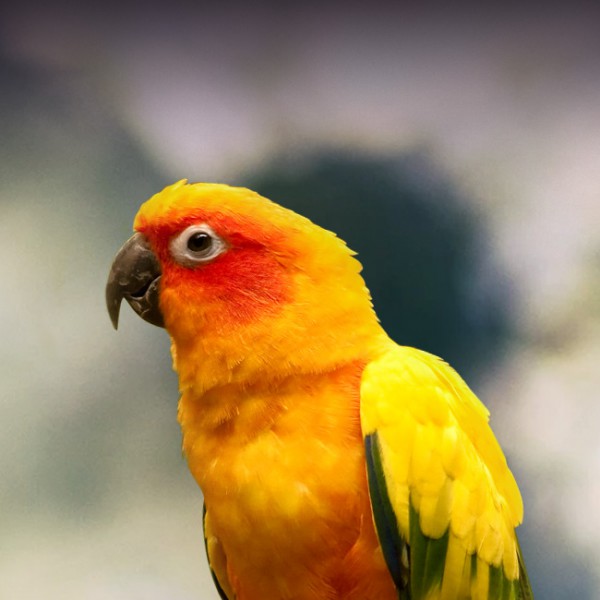
Credit: lafeber.com
Frequently Asked Questions
Is A Sun Conure A Good Pet?
Yes, a sun conure can be a good pet. They are colorful, social, and intelligent birds. Sun conures require attention, mental stimulation, and proper care. They thrive in interactive environments and can form strong bonds with their owners. Be prepared for their loud vocalizations.
Do Sun Conures Talk Well?
Sun conures can mimic some words and sounds, but they are not known for extensive talking abilities. They are better at whistling and making other noises.
How Much Is A Sun Conure Worth?
A sun conure typically costs between $200 and $800. Prices vary based on age, coloration, and breeder reputation.
What Not To Do With A Sun Conure?
Do not neglect social interaction with a sun conure. Avoid feeding them chocolate or avocado. Never keep them in a small cage. Do not leave them unsupervised outdoors. Avoid using non-stick cookware around them.
Conclusion
Sun Conures are vibrant, playful, and affectionate parrots. They make excellent pets for dedicated bird lovers. These colorful birds require attention, social interaction, and a balanced diet. With proper care, a Sun Conure can be a joyful addition to your home, bringing endless entertainment and companionship.
Consider adopting one today!

Viola R. Daigle
I'm Viola R. Daigle, a dedicated Internet Marketer. I work with WarriorPlus as a Vendor and Affiliate, and I’m also an Affiliate on JVZoo and Legendary Marketer. My passion is to provide honest and detailed reviews of Internet Marketing (IM) products and software. I love helping people choose the right tools and strategies to grow their online business with confidence.


