
Are Conures Louder that Cockatiels?

When choosing between conures and cockatiels, noise level plays a crucial role for potential bird owners. Conures are generally much louder than cockatiels, showcasing vocalizations that can reach up to 120 decibels in some species like the Sun Conure. Their sounds are often described as piercing and energetic. In contrast, cockatiels tend to be quieter with soft whistles and chirps, usually ranking around 2 to 5 on the loudness scale.
While individual birds may vary in their vocalizations based on personality or environment, those living in apartments might find cockatiels a better fit due to their more reserved nature compared to the playful and boisterous conures.
Understanding Noise Levels of Conures and Cockatiels

Credits: youtube.com
When considering the noise levels of conures and cockatiels, it's clear that conures generally produce louder sounds. Conures, particularly species like the Sun Conure, are known for their shrill and piercing calls, which can be quite startling. They can reach noise levels of 70 to 120 decibels, making them much louder than cockatiels. In contrast, cockatiels are more known for their soft chirps and whistles, typically rating between 2 to 5 on a loudness scale. This softer vocalization makes them more suitable for those living in close quarters, like apartments.
Moreover, individual birds may vary in loudness; some conures may be quieter than others, while certain cockatiels can be surprisingly chatty. Understanding these differences can help potential bird owners make an informed choice based on their living environment and personal tolerance for noise.
Noise Level Comparison: Conures vs. Cockatiels
When comparing the noise levels of conures and cockatiels, it's clear that conures tend to be significantly louder. Conures, especially species like the Sun Conure, can produce calls that reach noise levels of 70 to 120 decibels, often described as sharp and piercing.
In contrast, cockatiels are much quieter, with their sounds ranging from gentle whistles to soft chirps, generally falling between 2 to 5 on the loudness scale. Individual bird behavior also plays a role; for instance, while some Green Cheek Conures can be relatively subdued, others are very vocal. Cockatiels are often more affectionate and reserved, preferring quieter interactions with their owners.
Therefore, for those in shared living environments, cockatiels may be the better option due to their softer, more melodic sounds, while conures are more suitable for those who enjoy lively, interactive pets.

Species Variability in Vocalizations
Credits: pangovet.com
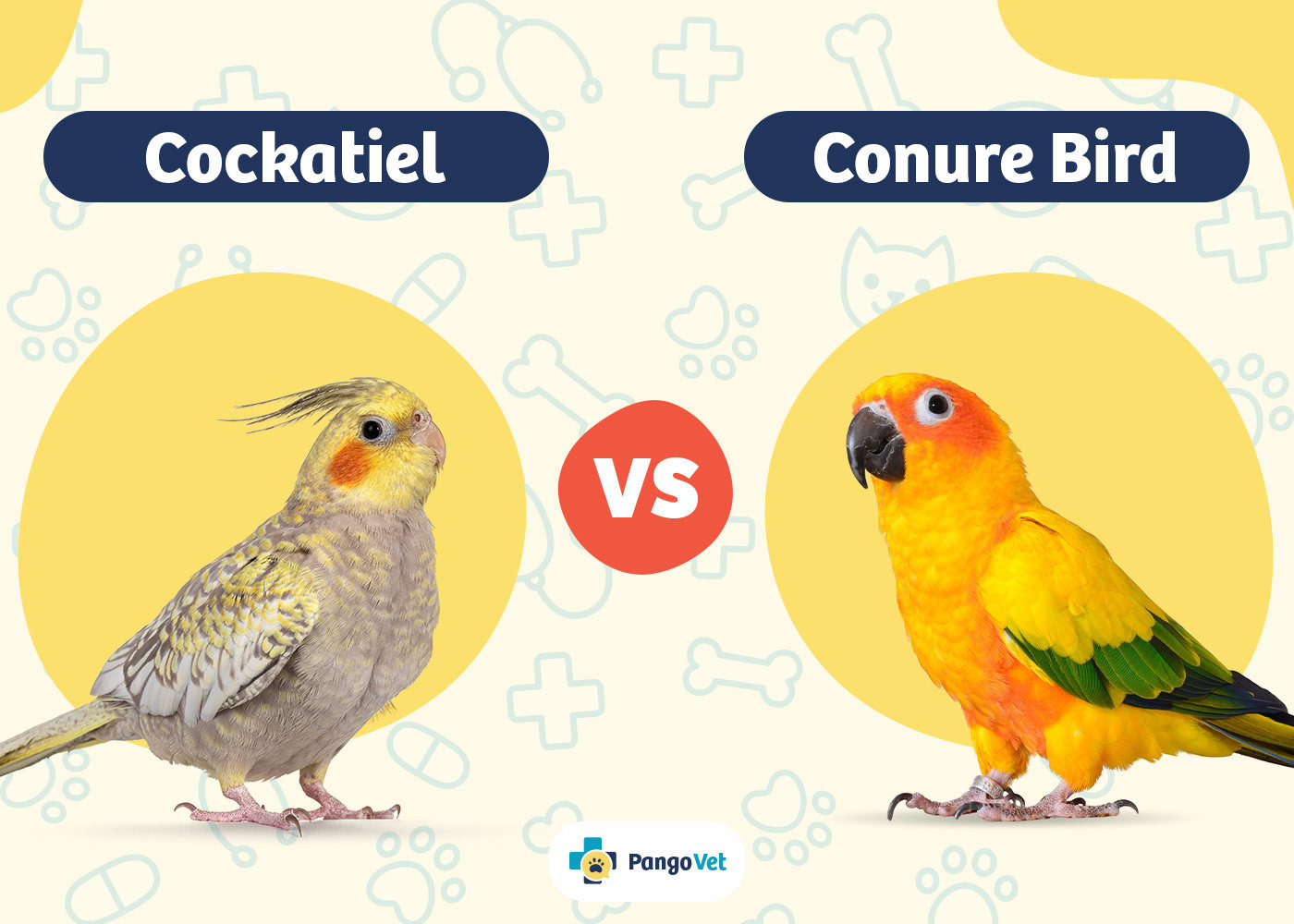
When comparing conures and cockatiels, it's essential to recognize that there is significant variability in vocalizations within each species. For instance, some Green Cheek Conures can be relatively quiet, while others may rival the loudness of a Sun Conure, which is known for its high volume. This variability can often depend on the individual bird's personality, age, and environmental factors.
Similarly, cockatiels also show differences; some may be quite talkative, especially males during mating season, while others may rarely make a peep. This unpredictability means that potential owners should spend time with individual birds to gauge their vocal tendencies before making a decision.
Additionally, the context in which these birds vocalize matters. Conures may be loud when excited or wanting attention, while cockatiels typically chirp or whistle softly during play or social interactions. Therefore, understanding these nuances can help prospective pet owners choose a bird that fits their noise tolerance and lifestyle.
Different conure species can have varying noise levels.
Cockatiels generally have a softer, whistling call.
Conures are often described as having a louder, more screeching vocalization.
Some conures can mimic sounds and increase their volume.
The habitat and upbringing of the birds can influence their vocal tendencies.
Attention-seeking behavior may lead to increased vocalizations, especially in conures.
Individual personality plays a significant role in how vocal each bird may be.
Behavioral Traits of Conures and Cockatiels
Conures are known for their playful and energetic behavior. They often display bursts of excitement, which can lead to loud vocalizations. For instance, a Sun Conure may suddenly call out sharply when it sees a favorite toy or when it wants to engage with its owner. Their personality tends to be more extroverted, making them lively companions that require ample interaction and stimulation.
In contrast, cockatiels are generally more laid-back and affectionate. They enjoy cuddling and may prefer to perch quietly on a shoulder rather than engage in loud antics. Their vocalizations, such as soft whistles or gentle chirps, often reflect their calm demeanor.
An example of this is a male cockatiel that may serenade its owner with melodious tunes rather than shout for attention. This difference in behavior not only influences their noise levels but also how they fit into various living environments.
Living Situations and Noise Considerations
Credits: everythingbirdsonline.com
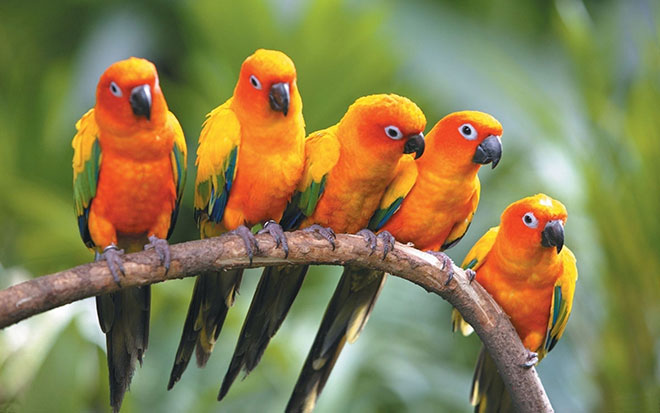
When choosing between a conure and a cockatiel, living situations play a crucial role in determining which bird is the best fit. For those residing in apartments or homes with close neighbors, cockatiels are often the preferred choice due to their quieter nature. Their gentle whistles and soft chirps make them less likely to disturb others. For instance, a cockatiel's call can be similar to a soft melody, which is generally acceptable in shared spaces.
In contrast, conures can be quite loud, with their vocalizations often being described as sharp and piercing. For example, a Sun Conure can generate noise levels that may startle even the most tolerant neighbors. Their vocalizations tend to be more erratic and boisterous, especially during playtime or when they are excited. This can become a significant consideration for individuals or families who are sensitive to noise or who live in environments where sound carries easily.
Ultimately, prospective bird owners should assess their living conditions and personal tolerance for noise before deciding. If a lively, interactive pet fits well into their lifestyle and they have the space to accommodate occasional loud outbursts, a conure may be ideal. However, for those who prefer a quieter companion that can still provide affection and entertainment, a cockatiel might be the better option.
Vocalization Context and Triggers
The context in which conures and cockatiels vocalize greatly influences their noise levels. Conures tend to become louder during moments of excitement or when they seek attention from their owners. For instance, when a conure sees its owner after a long day, it might let out a series of loud, enthusiastic calls to express its joy. This behavior is common, especially in playful species like the Sun Conure, which often uses its voice to engage with its environment.
In contrast, cockatiels vocalize in more specific contexts. They often chirp softly during play or while interacting with their owners, especially when they feel comfortable. Male cockatiels may engage in whistling and mimicry, which are typically softer sounds compared to a conure's calls. These vocalizations often serve as a form of communication rather than a demand for attention.
Moreover, the time of day can also trigger different vocal patterns. Conures may be noisier in the morning, signaling the start of the day with loud calls, while cockatiels might greet their owners with gentle whistles or chirps. Understanding these contexts can help potential bird owners anticipate the vocal behavior of their chosen pet.
Frequently Asked Questions
1. How loud are conures compared to cockatiels?
Conures are generally louder than cockatiels. Conures can produce very loud calls, while cockatiels make softer, more melodic sounds.
2. Can you keep a conure and a cockatiel together without noise issues?
Yes, you can keep them together, but be ready for potential noise. Conures' loud calls may sometimes annoy the quieter cockatiel.
3. What kind of sounds do conures make?
Conures make a range of sounds, including squawks, whistles, and chatter, which can be quite loud and varied.
4. Do cockatiels make noise at night?
Cockatiels are typically quieter at night, but they may chirp or whistle softly occasionally.
5. Are there ways to manage noise in conures and cockatiels?
Yes, providing plenty of toys, social interaction, and a routine can help manage their noise levels.
Conclusion:
Conures are generally louder than cockatiels, with noise levels ranging from 70 to 120 decibels compared to cockatiels' 2 to 5 on a loudness scale. Conures exhibit louder, more intense vocalizations, especially when excited, while cockatiels produce softer chirps and whistles. The choice between the two should consider living situations and personal tolerance for noise.

Viola R. Daigle
I'm Viola R. Daigle, a dedicated Internet Marketer. I work with WarriorPlus as a Vendor and Affiliate, and I’m also an Affiliate on JVZoo and Legendary Marketer. My passion is to provide honest and detailed reviews of Internet Marketing (IM) products and software. I love helping people choose the right tools and strategies to grow their online business with confidence.


