
Are Conures High Maintenance?

Conures are lively, colorful birds that can be wonderful pets, but they do have high maintenance needs that prospective owners must consider. First off, they require a spacious cage and a stable environment with appropriate temperatures.
A well-balanced diet consisting mostly of pellets, along with fresh fruits and veggies, is crucial for their health. Regular grooming is also important; sometimes they need wing trims and baths.
Socially, these birds thrive on interaction and should ideally spend at least two hours outside their cages each day. With a lifespan of 20 to 35 years, owning a conure demands long-term commitment and consistent care to keep them happy.
Understanding Conure Care Requirements

Credits: wikihow.com
Conures are lively birds that require a good amount of care to thrive. Their housing should be spacious; a cage measuring at least 24" W x 24" D x 30" H is ideal for a single bird. The cage must have bar spacing of no more than ¾ inches to keep them safe. It's best to place the cage in a well-lit area, away from drafts and direct sunlight, with a comfortable temperature range of 65°F to 80°F.
Diet is another critical aspect. A well-balanced diet for conures includes 60-70% high-quality pellets, 40% fresh vegetables, and 10% fruits. Certain foods, like avocados and fruit seeds, are toxic and should be avoided. Fresh water is essential, and any uneaten food should be removed after 10 hours to keep it fresh.
Grooming is also important. Regular bathing can be done by providing a shallow water bowl or misting them gently. Wing trims may be necessary for safety, and it's best to have these done by a professional.
Social interaction is vital for conures. They thrive on companionship and need at least two hours of interaction outside their cage each day. Being vocal, they can produce loud sounds, which might not be suitable for everyone. To keep them happy, provide various toys and activities to stimulate their minds and prevent boredom. Regularly rotating toys can help maintain their interest.
In terms of health, conures can live for 20 to 35 years, making them a long-term commitment. They can face health issues like feather plucking and respiratory problems if not cared for properly. Regular vet check-ups are necessary to ensure their well-being. A healthy conure will have bright eyes and clean feathers, while signs of illness may include lethargy or changes in droppings.
Housing Needs for Conures
Conures need a spacious cage to live comfortably. A good size for a single bird is at least 24 inches wide, 24 inches deep, and 30 inches high. The bars should be no more than ¾ inches apart to keep the bird safe. It's best to place the cage in a spot that is free from drafts and gets plenty of light, but not direct sunlight. The ideal temperature range for conures is between 65°F and 80°F, as they can be sensitive to extreme temperatures.
In addition to the cage, providing out-of-cage time is crucial for their well-being. A safe, bird-proofed area where they can explore and play is ideal. You can use playstands or bird-safe furniture to create a fun environment for them. Regular cleaning of the cage and surrounding area is also necessary to maintain hygiene and prevent any health issues.
Essential Dietary Guidelines for Conures

Credits: pinterest.com
A balanced diet is crucial for the health and well-being of conures. Their diet should consist of 60-70% high-quality pelleted food, which provides essential nutrients. The remaining 30-40% should be made up of fresh vegetables and fruits. Leafy greens like kale and broccoli are excellent choices, while fruits like apples and berries can be offered in moderation.
However, it's important to avoid feeding them avocados and fruit seeds, as these can be toxic. Always provide fresh water daily, and any uneaten fruits and vegetables should be removed after about 10 hours to prevent spoilage. This mix of pellets, fresh produce, and clean water will help ensure your conure stays healthy and vibrant.

Grooming and Maintenance for Conures
Grooming and maintenance for conures play a crucial role in their overall health and happiness. Regular grooming is essential, as conures may need wing trims for safety, especially if they will be allowed to fly outside their cage. These trims should be done by a professional to ensure they are done correctly and safely. Bathing is another important aspect of grooming. Conures enjoy bathing, which can be provided through a shallow water bowl or by gently misting them with water. This not only helps keep their feathers clean but also allows them to maintain healthy skin and feathers.
In addition to physical grooming, maintaining a clean living environment is vital for conures. Their cages should be cleaned daily to remove droppings and uneaten food, while a thorough cleaning should be done weekly. This helps prevent the buildup of harmful bacteria and keeps the air quality in their environment healthy. Regularly replacing toys and perches also contributes to their physical and mental well-being, ensuring they have a stimulating environment to explore and play in.
Overall, the grooming and maintenance of conures require time and effort. Their coats need to be kept clean, their living space tidy, and their physical safety ensured through careful handling and habitat management. All these factors contribute to a happy, healthy, and well-adjusted bird.
Regular nail trimming is essential to prevent overgrowth.
Beak grooming may be necessary to ensure it remains a healthy length.
Periodic feather inspection helps identify issues like molting or feather plucking.
Bathing or misting is important for maintaining feather health and cleanliness.
Cleaning the bird's cage and accessories should be done weekly to ensure a hygienic environment.
A balanced diet including fruits, vegetables, and pellets is crucial for overall health.
Dental care should not be overlooked; providing chew toys helps maintain beak and teeth health.
Conure Behavior and Social Needs
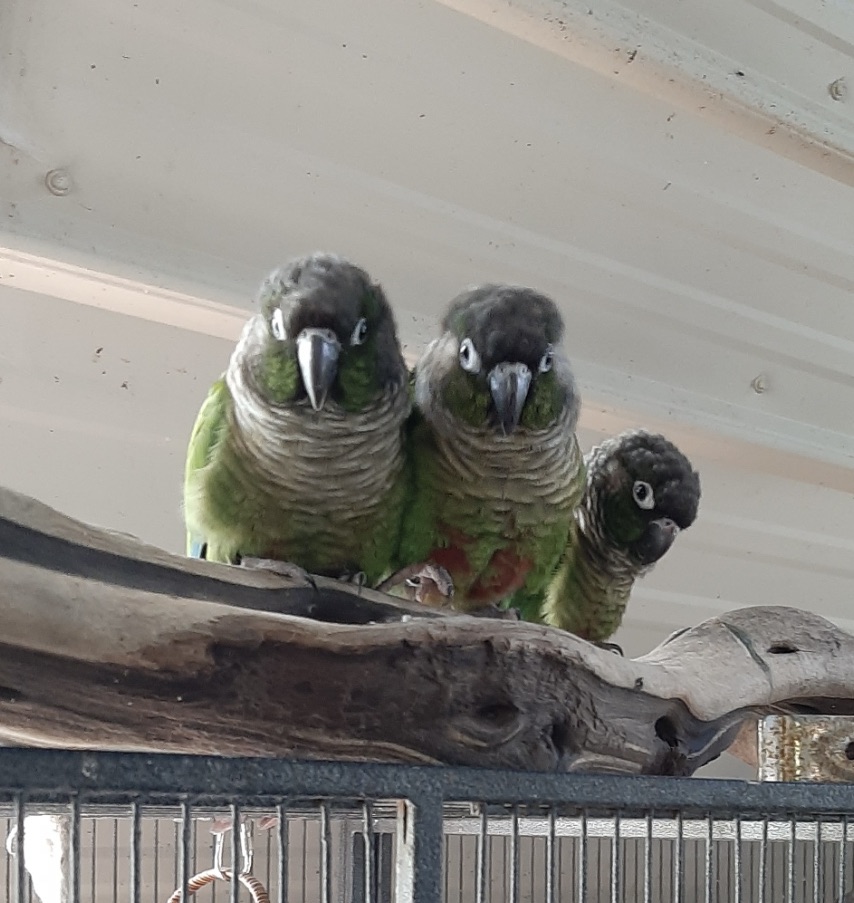
Credits: animalsoulsmatter.com
Conures are inherently social birds that require a lot of interaction and companionship. They thrive on social engagement, often forming strong bonds with their owners. It is essential for conures to have at least two hours of quality time outside their cage each day. This interaction can include playing, training, or simply being around their human family. Their vocal nature means they can be quite loud, which might be a consideration for those living in noise-sensitive environments.
To keep a conure happy, providing mental stimulation is crucial. These intelligent birds need a variety of toys and activities to prevent boredom. Rotating toys regularly helps maintain their interest. Climbing toys, puzzles, and interactive games can keep them entertained and physically active. Without enough stimulation, conures may resort to destructive behaviors, such as chewing on furniture or feather plucking.
Overall, understanding the social and behavioral needs of conures is key to providing a fulfilling environment that promotes their well-being.
Importance of Interaction for Conures
Conures are social birds that thrive on interaction with their owners. They need at least two hours of daily engagement outside their cage to stay happy and healthy. This interaction can include playtime, training, or simply cuddling. Without adequate socialization, conures can become bored, leading to negative behaviors like excessive screaming or feather plucking. It's important to remember that conures are vocal and may make loud noises, so potential owners should consider their living situation before bringing one home.
Furthermore, providing a variety of toys and activities can help keep them entertained, as they are curious and intelligent creatures. For example, climbing toys or puzzle feeders can stimulate their minds and encourage physical activity.
Mental Stimulation Activities for Conures
Conures are intelligent birds that need mental stimulation to stay happy and healthy. Providing a variety of toys is essential; these can include foraging toys, puzzle toys, and ropes for climbing. Foraging toys are particularly beneficial as they encourage conures to search for treats, mimicking their natural behaviors. You can also hide small pieces of fruit or seeds in their toys to keep them engaged.
Interactive playtime is crucial. Set aside time each day for your conure to interact with you or other family members. This can include games like hide-and-seek or teaching them to fetch small items. You can also create a safe play area with different perches and climbing structures to encourage physical activity.
Changing their environment can also be stimulating. Rearranging their cage or introducing new toys regularly helps keep their interest alive. Simple activities like teaching your conure new tricks or even talking to them can provide significant mental engagement.
Lastly, consider using music or videos designed for birds. Many conures enjoy listening to music or watching nature scenes, which can be both entertaining and calming for them. All these activities play a vital role in keeping your conure content and preventing boredom.
Health Considerations for Conures
Conures can live a long time, often between 20 to 35 years, which makes them a significant commitment for any pet owner. Regular veterinary check-ups are vital to ensure their well-being and to catch any potential health issues early.
Common health problems include feather plucking, which can be caused by stress or boredom, malnutrition from an improper diet, and respiratory issues due to exposure to environmental toxins like smoke or strong cleaning agents.
To keep your conure healthy, look for signs such as bright eyes, clean feathers, and a lively personality. If your bird becomes lethargic, changes its droppings, or alters its vocal patterns, these could be signs of illness that require immediate attention.
Common Health Issues in Conures
Conures are prone to several health issues that owners should be aware of. One common problem is feather plucking, which can be caused by stress, boredom, or medical conditions. If you notice your conure pulling out its feathers, it's essential to consult a veterinarian to determine the underlying cause and find a suitable solution.
Another issue is malnutrition, often resulting from an imbalanced diet. Conures need a mix of pellets, fresh fruits, and vegetables, and failing to provide this can lead to health complications. Owners should be cautious of feeding harmful foods, such as avocados, which are toxic to birds.
Respiratory issues are also a concern, particularly if the bird is exposed to environmental toxins like cigarette smoke, strong odors, or dust. Maintaining a clean living space and ensuring good airflow can help mitigate these risks.
Regular veterinary check-ups are crucial for early detection and prevention of health problems. During these visits, the vet can check for signs of illness, recommend vaccinations, and provide advice on proper care.
Recognizing Signs of a Healthy Conure
A healthy conure shows several key signs that indicate its well-being. Look for bright, clear eyes that are alert and full of life. The feathers should be clean, smooth, and well-groomed, without any bald patches or excessive fluffiness. The beak should be symmetrical, without cracks or discoloration.
An active and sociable demeanor is also a good sign; a healthy conure will be curious and engage with its environment. Pay attention to its droppings as well; they should be firm and well-formed, with a combination of colors that indicate a healthy diet.
If you notice any changes, such as lethargy, loss of appetite, or unusual vocal sounds, it may be time to consult a veterinarian. Regular health check-ups can help catch potential issues early, ensuring your conure remains vibrant and healthy.
Long-term Commitment of Owning a Conure
Owning a conure means making a long-term commitment, as these birds can live between 20 to 35 years with proper care. This longevity is similar to that of a dog or cat, necessitating a dedication that extends well beyond the initial excitement of bringing a new pet home. Potential owners should consider their lifestyle and how it may change over the decades.
For example, if you plan to move houses or have children in the future, it's important to think about how a conure will fit into those plans. Conures require daily social interaction and mental stimulation, which means that as life evolves, the time and effort you dedicate to your feathered friend must remain a priority.
Additionally, financial considerations, such as food, veterinary care, and toys, should be factored into your long-term budget. This commitment to their care is essential to ensure a happy and healthy life for your conure.
Frequently Asked Questions
1. Do conures need a lot of attention everyday?
Yes, conures require daily interaction and socialization. They thrive on companionship and need to spend time with their owners.
2. How often do I need to clean my conure's cage?
You should clean your conure's cage at least once a week, but daily spot cleaning is recommended to keep it fresh and hygienic.
3. Are conures noisy and how often do they make sounds?
Yes, conures can be quite noisy. They are known for their vocalizations and can squawk several times a day, especially when they want attention.
4. What type of diet is best for my conure?
A balanced diet for conures includes high-quality pellets, fresh fruits, and vegetables. They also enjoy occasional nuts and seeds.
5. Do I need to spend a lot on toys for my conure?
While you don't have to spend a lot, providing a variety of toys is important for their mental stimulation and physical health to prevent boredom.
Conclusion:
Conures are vibrant, interactive birds that require careful attention to their housing, diet, grooming, social, and mental stimulation needs. With a lifespan of 20 to 35 years, they need a commitment to daily care and interaction. While they can be considered high maintenance due to their specific requirements, they make affectionate companions for those ready to invest time and effort into their well-being.

Viola R. Daigle
I'm Viola R. Daigle, a dedicated Internet Marketer. I work with WarriorPlus as a Vendor and Affiliate, and I’m also an Affiliate on JVZoo and Legendary Marketer. My passion is to provide honest and detailed reviews of Internet Marketing (IM) products and software. I love helping people choose the right tools and strategies to grow their online business with confidence.


