
How to Tell If My Green-Cheeked Conure is Happy and Healthy?

Recognizing if your green-cheeked conure is happy and healthy is important for any bird owner. Happy conures usually vocalize a lot; they chirp or whistle when in good spirits. If your conure wants to be near you or enjoys being petted, it's a sign of comfort and trust.
Playfulness also shows happiness—look for them swinging on perches or playing with toys. Signs of health include being active, eating well, and having clean feathers.
Regular vet check-ups are crucial too! By monitoring these behaviors and providing a balanced diet along with social interaction, you’ll ensure your feathered friend lives joyfully!
Signs of a Happy Green-Cheeked Conure
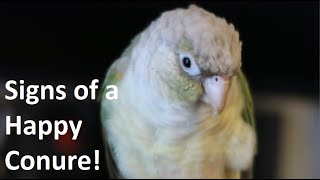
Credits: m.youtube.com
Happy green-cheeked conures exhibit various behaviors that reflect their emotional state. One of the most noticeable signs is their vocalization. These birds are known for their cheerful chirping and playful whistling, which often indicate a positive mood. When a conure is in a good place, they will also seek social interaction. If your bird enjoys being close to you, follows you around, or engages in affectionate behaviors like nuzzling, it’s a clear sign of happiness.
Playfulness is another key indicator. A happy conure will engage with toys, swing on perches, or initiate games with you, showcasing their playful nature. You might notice them bobbing their heads or flapping their wings in excitement, which are all signs of a joyful spirit. Additionally, observe their body language; a relaxed posture with slightly fluffed feathers indicates comfort and well-being.
Cuddling and grooming behaviors are also strong indicators of a happy conure. If your bird allows you to pet or groom them, it shows they trust you and feel secure. Lastly, curiosity plays a vital role in their happiness. A healthy, content conure will explore their environment, investigate new toys, and show interest in what’s happening around them. All these signs combined can help you gauge the overall happiness of your green-cheeked conure.
Vocalization as a Happiness Indicator
Vocalization is one of the most telling signs of a happy green-cheeked conure. When your conure is in a good mood, you’ll notice them chirping, whistling, or even mimicking sounds from their environment. These vocalizations serve as a form of communication, expressing joy and excitement. For instance, if your conure greets you with a cheerful whistle when you enter the room, it’s a strong sign they are happy to see you.
Additionally, the tone and frequency of their sounds can also convey their feelings; playful or excited vocalizations are often higher in pitch and more frequent. Conversely, a sudden decrease in vocalization may indicate stress or discomfort, so keeping an ear out for changes in their vocal habits can be crucial for assessing their emotional state.
Social Interaction and Bonding
Green-cheeked conures are highly social creatures that thrive on interaction with their owners and environment. A key sign of a happy conure is their eagerness to engage with you. If your bird seeks your company, often flutters over to you, or shows interest in being held, it indicates strong social bonding. Additionally, conures may display playful behaviors, such as climbing on your shoulders or initiating games like hide-and-seek. This active participation in social activities highlights their enjoyment and comfort in your presence.
Bonding with your conure goes beyond physical interaction; it also involves creating a trusting relationship. Spend time talking to your bird or teaching them simple tricks. You might notice them responding to your voice or even mimicking sounds. Establishing this connection is essential for their emotional well-being.
Another aspect of social interaction is mutual grooming. If your conure allows you to gently stroke their feathers, it signifies trust and affection. Some birds may even groom you in return, which deepens the bond between you and your pet. Regular interaction will not only keep your conure happy but also reinforce their sense of security and belonging.
Playfulness and Engaging Activities
A happy green-cheeked conure is often full of energy and loves to play. They enjoy swinging on their perches, climbing through toys, and engaging in games with their owners. Providing a variety of toys, such as ropes, bells, and foraging puzzles, can keep their minds stimulated and promote healthy play behavior. For example, you might notice your conure tossing a toy around or hanging upside down while playing, which are signs of a joyful bird.
Interactive play is also crucial. Activities like hide-and-seek or encouraging your bird to chase after a small ball can strengthen your bond while allowing them to express their playful nature. If your conure eagerly approaches you for playtime or seems excited when you introduce new toys, it's a strong indication of their happiness.
Additionally, consider setting up an obstacle course using perches and toys, allowing your bird to explore and navigate, which can be both engaging and beneficial for physical health. Remember, the more engaged your conure is in playful activities, the more likely they are to feel happy and fulfilled.
Comfortable Body Language Signals
When observing your green-cheeked conure, pay close attention to their body language as it can reveal much about their emotional state. A happy conure typically maintains an upright posture, indicating confidence and comfort. Their feathers may be slightly fluffed, which shows they are relaxed. If your conure perches close to you or snuggles against you, it’s a clear sign of trust and affection.
Additionally, if they stretch their wings or tail, it demonstrates a sense of well-being. On the other hand, if your bird is puffed up and withdrawn, it might be feeling stressed or unwell. Understanding these signals can help you better cater to your conure's needs.
Cuddling and Grooming Behavior

Credits: reddit.com
Cuddling and grooming are significant aspects of a green-cheeked conure's behavior that reflect their happiness and health. When your conure snuggles up to you or allows you to hold them close, it shows they feel secure and loved. This closeness is a sign of trust, and many conures enjoy being petted, often leaning into your hand or rubbing their heads against you.
Mutual grooming is another essential behavior. If your conure preens your hair or skin, it’s a sign they see you as part of their flock. This act reinforces social bonds and is a natural behavior among birds.
Additionally, if your conure spends time grooming their own feathers, it indicates they are feeling good and healthy. A well-groomed bird is usually a happy bird, as it reflects their comfort and contentment in their environment.
Curiosity and Exploration Traits
Curiosity is a key trait that indicates your green-cheeked conure's happiness and health. A healthy conure will show interest in their surroundings, exploring their cage, and investigating new toys or objects.
For example, if you introduce a new toy, watch how your bird interacts with it. A curious conure will peck, climb, and play with the toy, showing excitement and engagement. This exploration behavior is essential for mental stimulation, which helps prevent boredom and encourages a happy, active lifestyle.
Additionally, if your bird follows you around, watching your movements or trying to see what you’re doing, it’s a sign that they feel secure and interested in their environment. Providing opportunities for exploration, such as new perches or safe areas to fly, can further enhance their sense of curiosity and well-being.
Signs of a Healthy Green-Cheeked Conure
A healthy green-cheeked conure displays a range of physical and behavioral signs that indicate their well-being. Firstly, an active and alert bird is essential; they should be lively, engaging in activities, and curious about their surroundings. If your bird spends most of its time sleeping or appears disinterested, it may be a cause for concern. Additionally, monitor their eating and drinking habits closely. Healthy conures enjoy a varied diet and should be eating regularly without any drastic changes in appetite.
Observing your bird's droppings is also important. Healthy droppings should be well-formed, consistent in color, and not excessively watery or dry. If you notice any changes, it could signal health issues. Furthermore, clean feathers are a sign of good health; ensure your conure has opportunities to bathe, as this helps maintain their feather condition.
Bright, clear eyes and clean nostrils (nares) are other indicators of a healthy bird. Any discharge or cloudiness in the eyes or nostrils may warrant a visit to the vet. Finally, regular check-ups with an avian veterinarian can help catch any potential health problems early, ensuring your conure remains happy and healthy.

Activity Level and Alertness
The activity level and alertness of your green-cheeked conure are crucial indicators of their happiness and health. A lively and engaged bird will actively explore their environment, moving around their cage, interacting with toys, and responding to your presence. If your conure is flapping their wings, climbing, or playing, it signifies they are feeling good.
Conversely, a conure that seems lethargic, staying in one spot without much movement, may not be feeling well. For example, if your bird usually enjoys hanging upside down from their perch but suddenly stops doing so, it could be a sign of distress or illness. Keeping an eye on their energy levels and alertness will help you gauge their overall well-being.
Normal Eating and Drinking Habits
Observing your green-cheeked conure's eating and drinking habits is crucial for assessing their health and happiness. A healthy conure typically displays a robust appetite, eagerly consuming a mix of fresh fruits, vegetables, and high-quality pellets. For instance, they might enjoy snacking on slices of apple, pieces of carrot, or leafy greens. It's important to offer a variety of foods to ensure they receive all the necessary nutrients.
In addition to eating, regular drinking is an essential sign of health. Your conure should have access to fresh water at all times and should be seen drinking daily.
If you notice that your bird is not eating or drinking as usual, it could be a sign of stress or illness. Always keep an eye on their behavior around food and water to catch any issues early. A sudden decrease in appetite or water intake warrants a timely visit to the vet.
Healthy Droppings Characteristics
The droppings of a healthy green-cheeked conure are a key indicator of their overall well-being. Healthy droppings should have a consistent appearance, typically a combination of three components: feces, urine, and urates. The feces should be well-formed and a dark green to brown color, while the urine should be clear or slightly cloudy.
The urates, which are the white part of the droppings, should be firm and not runny. If you notice any changes in color, consistency, or frequency, it could signal potential health issues.
For example, watery droppings may indicate stress or illness, while very dark or very light droppings can suggest dietary imbalances or health problems. Keeping an eye on your conure’s droppings daily can help you catch any health concerns early.
Clean Feathers and Skin Maintenance
Maintaining clean feathers and skin is vital for the health of your green-cheeked conure. Regular bathing is essential, as it helps to remove dust, dirt, and excess oils from their plumage. You can encourage your bird to bathe by providing a shallow dish of water or by misting them lightly with a spray bottle. Most conures enjoy bathing, and it can be a fun activity for them.
Observe your bird's feathers; they should be smooth and well-groomed. If you notice any signs of matting or excessive preening, it could indicate stress or health issues. Additionally, check for any signs of feather loss or skin irritation, which may require veterinary attention. Healthy skin is usually free from redness, scabs, or lesions.
When grooming your conure, always be gentle. You may notice them engaging in self-grooming, which is natural behavior. If your conure allows you to help with grooming, it can strengthen your bond. Providing toys that encourage preening can also help keep their feathers in good condition. Remember, clean feathers not only help your conure look great but also contribute to their overall well-being.
Bright Eyes and Clear Nares
Bright eyes and clear nares are essential indicators of a green-cheeked conure's health. A healthy conure will have bright, alert eyes that are expressive and free from any cloudiness. If you notice that your bird’s eyes appear dull or lack luster, it might be a sign of stress or illness.
Additionally, the nares, or nostrils, should be clean and free from any discharge. A small amount of moisture is normal, but any persistent mucus or crusting can indicate respiratory issues.
For example, if you see crusty buildup around the nares, it’s essential to consult a veterinarian promptly. Keeping an eye on these features is a simple yet effective way to ensure your conure is feeling their best.
Importance of Regular Vet Check-ups
Regular vet check-ups are essential for your green-cheeked conure's long-term health. These visits allow a veterinarian to conduct thorough health assessments, helping to catch potential issues before they become serious. For instance, conditions like feather plucking or respiratory infections can be subtle at first, and a vet can provide guidance on early intervention.
During these check-ups, the vet will typically check your bird's weight, physical condition, and behavior. They may also recommend routine tests to monitor organ function or check for parasites.
Establishing a relationship with an avian vet ensures that you have a trusted resource for any questions or concerns about your bird's health. Furthermore, keeping up with vaccinations and preventative care can help your conure live a longer, happier life.
Tips for Maintaining Happiness and Health
To keep your green-cheeked conure happy and healthy, focus on providing a balanced diet. This includes high-quality pellets, fresh fruits, and vegetables, avoiding seeds as the main food source. Enrich their environment by offering stimulating toys and perches, and rotate these regularly to maintain interest.
Daily social interaction is key; spend time playing and training with your conure to strengthen your bond. Ensure their living space is safe, free from harmful substances, and comfortable.
Lastly, monitor your bird’s behavior closely. Any sudden changes in their eating habits, vocalization, or activity levels should prompt a check-up to rule out any health issues.
Provide a variety of toys to keep your conure engaged
Schedule regular playtime outside the cage to promote exercise
Offer a range of safe perches of different textures and sizes
Include foraging activities to stimulate natural instincts
Maintain a consistent daily routine to reduce stress
Monitor your conure's environment for changes or stressors
Ensure that you interact with your conure daily for social bonding
Providing a Balanced Diet

Credits: youtube.com
A balanced diet is crucial for the health and happiness of your green-cheeked conure. These birds thrive on a variety of foods that provide essential nutrients. Start with high-quality pellets as the primary component of their diet, as they are formulated to meet your bird's nutritional needs.
Alongside pellets, offer fresh fruits and vegetables daily. Favorites like apples, carrots, and leafy greens not only provide vitamins but also keep mealtime exciting. Avoid feeding seeds as the main diet, as they can lead to obesity and nutritional deficiencies.
Additionally, ensure your bird has access to clean, fresh water at all times. Monitor their eating habits; a healthy conure will show enthusiasm for their meals. Introducing new foods gradually can help prevent digestive issues and encourage a varied diet.
For instance, try offering a piece of banana or a slice of bell pepper alongside their regular pellets. Always check for any signs of allergies or reactions when introducing new foods. By providing a balanced diet, you contribute significantly to your conure's overall well-being.
Enriching the Living Environment
Creating a stimulating and enriching living environment is essential for the happiness and health of your green-cheeked conure. A well-equipped cage with various perches of different sizes and textures allows your bird to exercise its feet and explore its space. Consider adding toys that encourage problem-solving and play, such as foraging toys, swings, and ropes. Rotate these toys regularly to prevent boredom, keeping your conure engaged and active.
Additionally, providing out-of-cage time is vital. Allow your conure to explore safe areas of your home under your supervision. This not only gives them physical exercise but also mental stimulation as they discover new sights and sounds. Make sure to bird-proof the space by removing any hazards, such as toxic plants or small objects that they could swallow.
A well-designed environment also includes opportunities for social interaction. Birds are social creatures, and spending quality time with your conure helps strengthen your bond. Engage in playtime, teach them tricks, or simply talk to them. The more interaction they receive, the more secure and happy they will feel in their environment.
Lastly, consider incorporating natural elements into their habitat. Safe branches, untreated wood perches, and even small plants can mimic their natural surroundings, providing comfort and stimulation. An enriched environment not only keeps your green-cheeked conure happy but also promotes their overall well-being.
Encouraging Social Interaction
Encouraging social interaction is vital for the happiness of your green-cheeked conure. These birds are naturally social creatures and thrive on companionship. To foster this, spend time with your conure daily. You can sit near their cage, talk to them, or let them out for supervised playtime.
This interaction not only strengthens your bond but also keeps your conure mentally stimulated. For example, try teaching them simple tricks or commands, which can be both fun and rewarding for both of you.
Additionally, providing opportunities for them to interact with other pets, if safe, can enhance their social skills. Remember, a lonely conure may become bored or even depressed, so prioritize quality time and engagement.
Creating a Safe Space
Creating a safe space for your green-cheeked conure is essential for their happiness and health. Start by ensuring their cage is spacious enough for them to move around freely, with plenty of perches and toys. The cage should be placed in a quiet area of your home, away from drafts and direct sunlight, to provide a comfortable environment.
Make sure to use non-toxic materials for toys and perches, as birds are naturally curious and will chew on anything within reach. Additionally, it's important to bird-proof the room where your conure spends time outside the cage. This means removing any potential hazards, such as toxic plants, exposed electrical cords, or small objects they could swallow.
Regularly check their environment for safety, and always supervise them during playtime. By providing a secure and stimulating space, you help your conure feel safe and content, leading to a happier and healthier life.
Monitoring Behavior for Changes
Monitoring your green-cheeked conure’s behavior is crucial in identifying any changes that might indicate stress or health issues. Pay close attention to their normal routines and activities. For instance, if your conure, who normally loves to play, suddenly becomes lethargic or stops interacting, this might be a sign of discomfort or illness. Similarly, a noticeable decrease in vocalization can also be a red flag.
Keep an eye on their eating habits. If your conure suddenly refuses food or water, it’s essential to investigate further. Changes in droppings can also indicate health issues, so be aware of any differences in color or consistency. Additionally, watch for changes in feather condition; if your bird starts to pull out feathers or has dull feathers, it can be a sign of stress or illness.
Creating a daily routine can help you notice these changes more easily. For example, if your conure is usually excited to greet you in the morning but seems disinterested, take note and consider any potential triggers for this change. Regularly observing and interacting with your bird will not only help you detect these changes but also enhance your bond and ensure a happy, healthy life for your conure.
Frequently Asked Questions
1. What signs show that my green-cheeked conure is happy?
A happy green-cheeked conure will be active, playful, and may chirp or sing. Look for signs like fluffed feathers, relaxed body language, and engaging with toys.
2. How can I tell if my green-cheeked conure is feeling unwell?
Signs of an unwell green-cheeked conure include lethargy, a lack of appetite, messy feathers, or unusual droppings. If you notice these signs, it's best to consult a vet.
3. Does my green-cheeked conure's diet affect its happiness?
Yes, a balanced diet is crucial for your bird's well-being. Fresh fruits, vegetables, and high-quality pellets will keep your conure healthy and happy.
4. How much social interaction does my green-cheeked conure need?
Green-cheeked conures are social birds that thrive on interaction. Spending time with them daily for play and bonding is important to their happiness.
5. What is normal behavior for a green-cheeked conure?
Normal behavior includes vocalizing, climbing, playing with toys, and interacting with you. If your conure is engaging in these activities, it's likely happy and healthy.
Conclusion:
To determine if your green-cheeked conure is happy and healthy, look for signs such as vocalization, social interaction, playfulness, relaxed body language, cuddling, and curiosity. A healthy conure shows activity and alertness, normal eating and drinking habits, healthy droppings, clean feathers, bright eyes, and clear nares.
Regular vet check-ups are essential. To maintain their happiness and health, provide a balanced diet, enrich their environment, encourage social interaction, create a safe space, and monitor behavioral changes.

Viola R. Daigle
I'm Viola R. Daigle, a dedicated Internet Marketer. I work with WarriorPlus as a Vendor and Affiliate, and I’m also an Affiliate on JVZoo and Legendary Marketer. My passion is to provide honest and detailed reviews of Internet Marketing (IM) products and software. I love helping people choose the right tools and strategies to grow their online business with confidence.


