
Should I get a Jenday Conure or an Umbrella Cockatoo?

Choosing between a Jenday Conure and an Umbrella Cockatoo can be a tough decision, as both have distinct qualities and care requirements. Jenday Conures are smaller, playful birds that thrive on social interaction, making them ideal for first-time owners who can provide ample companionship. They live up to 30 years and demand less space compared to the larger Umbrella Cockatoo, which can live 30 to 70 years if well cared for. While the Jenday is more manageable in terms of noise level, Cockatoos are known for their affectionate nature but require constant attention. Understanding your lifestyle is key in making the right choice!
Overview of Jenday Conures
Jenday Conures, scientifically known as Aratinga jandaya, are small to medium-sized parrots that typically reach lengths of 10 to 12 inches. They are easily recognizable by their vibrant plumage, featuring a bright green body with striking orange and yellow on their heads. Known for their playful and affectionate nature, Jenday Conures thrive on social interaction and often form strong bonds with their owners. They have a lifespan of up to 30 years when given proper care, making them a long-term commitment. Their engaging personalities allow them to learn simple tricks and mimic a few phrases, although they are not considered prolific talkers. These birds require spacious cages, a varied diet, and plenty of mental stimulation through toys and social interaction to keep them happy and healthy.
Care Requirements for Jenday Conures
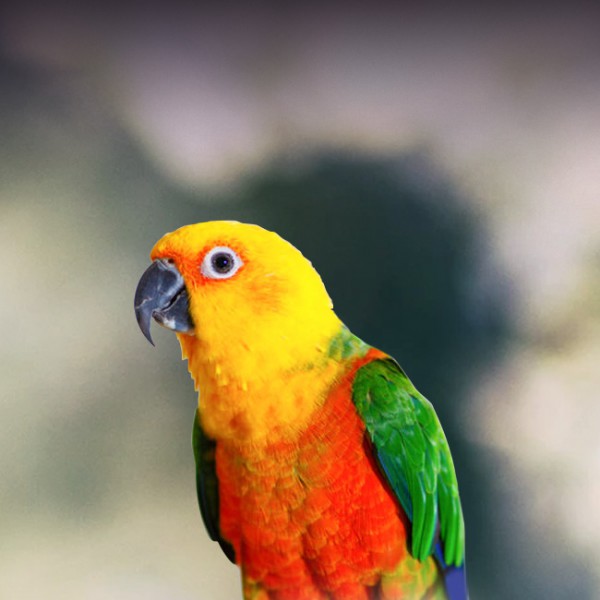
Credits: lafeber.com
Jenday Conures require a spacious cage that measures at least 36 inches long, 24 inches wide, and 24 inches high. This space allows them to move around comfortably and reduces stress. In addition to their cage, they need at least two hours outside each day to exercise and interact with their owners. Their diet should consist of high-quality pellets, seeds, and a variety of fresh fruits and vegetables. It's important to introduce new foods to them early on, as they tend to be open to trying different flavors. Social interaction is crucial for their well-being, so providing toys that stimulate their minds, such as chewable items and foraging toys, is essential. If they don’t receive enough attention, they may develop behavioral issues, like feather plucking. Regular vet check-ups are also important to monitor their health and prevent common problems.
Spacious cage to accommodate their active nature
A varied diet including pellets, fresh fruits, and vegetables
Regular social interaction to prevent loneliness
Frequent out-of-cage time for exercise and stimulation
Safe toys to chew and play with to prevent boredom
Regular vet check-ups for health monitoring
Knowledge of potential behavioral issues that require management
Behavior Considerations for Jenday Conures
Jenday Conures are known for their lively and affectionate nature, making them delightful companions. They are social birds that thrive on interaction with their owners, often seeking attention and playtime. Their playful behavior includes climbing, swinging, and sometimes even acrobatics, which can be entertaining to watch. However, this playfulness comes with the need for mental stimulation; without it, they might become bored and develop destructive behaviors, such as chewing on furniture or plucking their feathers.
Vocalization is another important behavior consideration. While they are not the loudest of birds, Jenday Conures can still be quite vocal and enjoy chirping and squawking, especially when excited. Training them can help manage excessive noise, but potential owners should be prepared for their natural tendency to communicate.
Social dynamics play a crucial role in their behavior as well. Jenday Conures often form strong bonds with their owners and can become quite attached. This attachment means they may exhibit signs of anxiety if left alone for extended periods. Regular playtime and interaction are vital to keeping them happy and healthy. In summary, while their playful and affectionate nature can bring joy, potential owners should be ready to invest time in social interaction and mental stimulation.
Overview of Umbrella Cockatoos
Umbrella Cockatoos, scientifically known as Cacatua alba, are large, white birds known for their striking appearance and engaging personalities. They typically range from 14 to 18 inches in size and can live anywhere from 30 to 70 years with proper care. Their most notable feature is their impressive, umbrella-like crest, which they can raise and lower to express their mood. These birds are incredibly affectionate and thrive on social interaction. They enjoy playing and can form deep bonds with their owners, often displaying playful antics that can be quite entertaining.
When it comes to their care, Umbrella Cockatoos need a spacious and sturdy cage to accommodate their size and activity level. A proper diet is crucial, requiring high-quality pellets, along with a variety of fruits, vegetables, seeds, and nuts. Foraging toys are beneficial, as they keep the birds mentally stimulated and engaged. These cockatoos are very social creatures and can experience separation anxiety if left alone for long periods, often leading to destructive behaviors.
In terms of behavior, Umbrella Cockatoos are known for their vocalizations. They can be extremely loud, often screaming when they feel neglected or bored. Potential owners should be prepared for this noise level, especially in shared living spaces. Additionally, these birds can face health issues such as obesity and feather plucking if not given enough mental and physical stimulation. Regular vet check-ups are essential to monitor their health and ensure a happy, healthy life.
Care Requirements for Umbrella Cockatoos

Credits: lafeber.com
Umbrella Cockatoos need a large and sturdy cage to accommodate their size and energy. A cage should be at least 36 inches wide, 36 inches deep, and 48 inches high, with horizontal bars for climbing. They benefit from having a spacious play area outside their cage, where they can explore and interact safely. Their diet is crucial for their health and should include high-quality pellets, a variety of seeds, fresh fruits, and vegetables. They enjoy foraging, so providing toys that encourage this behavior is essential. These birds require a lot of social interaction and can become very attached to their owners. This means you should spend ample time with them daily; otherwise, they may develop separation anxiety. They thrive on engagement, so regular playtime and training sessions are necessary to keep their minds active and prevent behavioral issues.
Behavior Considerations for Umbrella Cockatoos
Umbrella Cockatoos are incredibly social birds that thrive on interaction. They are known for their affectionate nature, often seeking companionship from their owners. This can lead to strong bonds, but it also means they can experience separation anxiety if left alone for extended periods. Their need for socialization means they require plenty of attention and playtime to stay happy. They are also very vocal, and their loud screams can be a challenge in quiet living environments. It's essential to engage them with toys and activities to prevent boredom, which can lead to destructive behaviors like feather plucking or self-mutilation. Regular play sessions are crucial, as these birds are playful and enjoy mental challenges. Owners should also be aware that their high energy and intelligence mean they need a stimulating environment to prevent behavioral issues.
Comparing Lifespan and Size
Jenday Conures are small to medium-sized birds, measuring about 10 to 12 inches in length. They typically weigh between 80 to 120 grams. With proper care, they can live up to 30 years, making them a long-term commitment but not as lengthy as some larger species. In contrast, Umbrella Cockatoos are significantly larger, reaching sizes of 14 to 18 inches and weighing around 400 to 600 grams. Their lifespan is impressive, often living between 30 to 70 years, which means they require a much more substantial commitment in terms of time and care. The size difference is also important when considering their housing needs; a larger bird like an Umbrella Cockatoo will require a much bigger cage and more space to thrive compared to the smaller Jenday Conure.

Social Interaction Needs for Both Birds
Both Jenday Conures and Umbrella Cockatoos have significant social interaction needs, but they express these needs differently due to their unique personalities. Jenday Conures are playful and affectionate, thriving on regular interaction with their owners. They enjoy engaging in activities like playing with toys, exploring new environments, and learning simple tricks. It's essential to spend at least a couple of hours each day interacting with them outside of their cage to keep them happy and prevent boredom.
On the other hand, Umbrella Cockatoos have an even higher demand for companionship. They are known for forming strong bonds with their owners and can become very attached. This attachment can lead to clinginess and separation anxiety if they are left alone for too long. Unlike Jenday Conures, Umbrella Cockatoos often require constant interaction and may become distressed if they feel neglected. Providing them with plenty of mental stimulation, such as foraging toys and regular playtime, is crucial for their well-being.
In summary, while both birds are social, Umbrella Cockatoos require more intensive interaction and companionship compared to Jenday Conures. Potential owners should evaluate their ability to meet these needs when considering which bird to bring into their home.
Noise Levels of Jenday Conures vs. Umbrella Cockatoos
Noise levels are an important consideration when choosing between a Jenday Conure and an Umbrella Cockatoo. Jenday Conures are known for being moderately loud. They can vocalize frequently, making chirping and chattering sounds that can be entertaining but might become bothersome in a quiet home. With consistent training and socialization, some of the noise can be managed, helping them to develop a more balanced vocalization pattern.
In contrast, Umbrella Cockatoos are much louder and are notorious for their high-pitched screams, especially when they feel neglected or bored. Their vocalizations can be quite piercing, which might be an issue in shared living spaces or apartments. These birds require a lot of attention and can scream loudly if they feel lonely, making them less suitable for owners who are not home often or can’t provide constant interaction.
For prospective owners, it's essential to consider how the noise levels of these birds will fit into your living situation. If you live in a small apartment or have neighbors close by, a Jenday Conure may be a better choice than an Umbrella Cockatoo, whose vocalizations could lead to complaints.
Health Risks for Jenday Conures and Umbrella Cockatoos
Both Jenday Conures and Umbrella Cockatoos come with their own set of health risks that potential owners should consider. Jenday Conures are prone to issues like feather plucking, which can occur if they become bored or don't receive enough stimulation. This behavioral problem can lead to skin infections and other complications if not addressed. Regular vet check-ups are essential to catch any health issues early and to ensure they are receiving proper care.
On the other hand, Umbrella Cockatoos face their own unique challenges. They are at risk of self-mutilation, particularly if they are not given enough mental engagement or social interaction. This can lead to severe injuries that may require veterinary attention. Additionally, these birds can develop obesity if not properly managed with a balanced diet and adequate exercise. Regular vet visits are also crucial for Umbrella Cockatoos to monitor their health and prevent these common issues.
Which Bird Fits Your Lifestyle?

Credits: singing-wings-aviary.com
Choosing between a Jenday Conure and an Umbrella Cockatoo largely depends on your daily routine and the environment you can provide. If you have a busy lifestyle or live in an apartment, a Jenday Conure might be the better choice. They are smaller, require less space, and can adapt to a variety of living situations. Their playful nature makes them great companions without needing constant attention. For instance, you might find that a Jenday Conure can entertain itself with toys while you’re away, provided you give it quality time when you are home.
On the other hand, if you can dedicate significant time to a pet and have the space for a larger bird, an Umbrella Cockatoo could be a wonderful choice. These birds thrive on interaction and affection, often seeking out companionship from their owners. They can be quite demanding and may develop anxiety if left alone for too long. If you enjoy spending time engaging with a pet, training them, or simply having them around, a Cockatoo may fit your lifestyle well. However, be prepared for their vocalizations, which can be challenging in quieter living spaces.
Ultimately, consider not just your current situation but also your long-term commitment. Both birds require attention, but the level and type of interaction needed can differ significantly. Your choice should reflect your ability to meet these needs while ensuring a fulfilling life for your feathered friend.
Frequently Asked Questions
1. What are the main differences in behavior between a Jenday Conure and an Umbrella Cockatoo?
Jenday Conures are known for being lively, playful, and social, often bonding closely with their owners. Umbrella Cockatoos, on the other hand, are very affectionate but can have more intense emotional needs and may require more attention.
2. How much space do I need for a Jenday Conure compared to an Umbrella Cockatoo?
Jenday Conures can thrive in a smaller cage than Umbrella Cockatoos because they are smaller birds. However, both need ample space to fly and play outside of their cages.
3. Are Jenday Conures or Umbrella Cockatoos easier to train?
Jenday Conures tend to be easier to train due to their playful nature and eagerness to interact. Umbrella Cockatoos are intelligent and can be trained but may require more patience because of their strong personalities.
4. Do Jenday Conures or Umbrella Cockatoos have different social needs?
Yes, Jenday Conures are social and often enjoy being around other birds and people. Umbrella Cockatoos also thrive on social interaction but can become very attached to their owners and may experience separation anxiety.
5. How do the sounds of Jenday Conures and Umbrella Cockatoos compare?
Jenday Conures are loud and often vocal, making cheerful sounds. Umbrella Cockatoos can also be loud and are known for their distinctive calls, which can be higher in pitch and more prolonged.
Final Verdict
This blog post compares Jenday Conures and Umbrella Cockatoos, highlighting their differences in lifespan, size, care requirements, behavior, social needs, noise levels, and health risks. Jenday Conures are smaller, require less interaction, and are suitable for first-time owners, while Umbrella Cockatoos are larger, need constant companionship, and are best for experienced owners. Both can be affectionate companions, but understanding their specific needs is essential.

Viola R. Daigle
I'm Viola R. Daigle, a dedicated Internet Marketer. I work with WarriorPlus as a Vendor and Affiliate, and I’m also an Affiliate on JVZoo and Legendary Marketer. My passion is to provide honest and detailed reviews of Internet Marketing (IM) products and software. I love helping people choose the right tools and strategies to grow their online business with confidence.


