
Are Sun Conure Territorial?: Unveiling Their Surprising Behaviors

Yes, Sun Conures are territorial. They can become aggressive when they feel their space is threatened.
Sun Conures are vibrant, social parrots known for their striking colors and playful behavior. They are native to northeastern South America and thrive in both forested and savanna regions. These birds are highly intelligent and require mental stimulation to stay healthy.
They form strong bonds with their owners but can be territorial, especially during breeding seasons. This territorial nature can lead to aggressive behavior toward other pets or humans if they perceive a threat. Understanding their behavior and providing ample space can help in managing their territorial instincts effectively. Proper socialization and training are essential for a harmonious relationship with your Sun Conure.

Credit: www.facebook.com
Introduction To Sun Conures
Sun Conures are colorful and lively parrots. They are loved for their vibrant plumage and playful nature. Many bird enthusiasts adore these birds. This section will explore the basics of Sun Conures.
Brief Overview
Sun Conures, also known as Aratinga solstitialis, are medium-sized parrots. They originate from northeastern South America. Their feathers are a mix of bright yellow, orange, and green. They have strong beaks and long tails.
| Characteristic | Detail |
|---|---|
| Size | 12 inches |
| Weight | 4 ounces |
| Lifespan | 20-30 years |
Popularity As Pets
Sun Conures are popular pets for many reasons. Their bright colors and friendly behavior attract many people. They are social and love interacting with their owners.
Here are some reasons why Sun Conures are popular pets:
- Beautiful Feathers: Their bright colors make them stand out.
- Friendly Nature: They are social and enjoy human company.
- Playful: They love to play and explore.
- Intelligent: They can learn tricks and mimic sounds.
Habitat And Natural Environment
The Sun Conure is a vibrant and social parrot. Understanding their Habitat and Natural Environment is crucial for proper care. Below, we explore their geographical distribution and typical climate.
Geographical Distribution
Sun Conures are native to northeastern South America. They are found in countries like Brazil, Guyana, and Venezuela. These parrots inhabit tropical and subtropical regions. They prefer coastal forests, savannas, and palm groves. In the wild, they often live near water sources.
Typical Climate
Sun Conures thrive in warm, humid climates. The average temperature ranges between 75°F and 85°F (24°C to 29°C). They enjoy high humidity levels, usually between 60% and 80%. These birds are accustomed to seasonal rains and lush vegetation. The natural environment provides abundant food and nesting sites.
| Climate Factor | Optimal Range |
|---|---|
| Temperature | 75°F - 85°F (24°C - 29°C) |
| Humidity | 60% - 80% |
Understanding these aspects helps mimic their natural habitat in captivity. Proper care ensures a happy, healthy Sun Conure.
Social Behaviors
Sun Conures are known for their vibrant colors and lively personalities. Their social behaviors are fascinating and important to understand. These behaviors can affect their territorial nature.
Group Dynamics
Sun Conures often live in flocks in the wild. These flocks can have up to 30 birds. Living in a group helps them stay safe. They communicate with each other using loud calls. These calls can alert the group to danger.
Within the flock, there are social hierarchies. Some birds may be more dominant. These dominant birds often get the best perches and food. Less dominant birds may have to wait their turn. This hierarchy helps maintain order in the group.
| Behavior | Description |
|---|---|
| Preening | Birds clean each other’s feathers |
| Feeding | Sharing food with flock members |
| Calling | Using loud calls to communicate |
Interaction With Other Species
Sun Conures can be curious about other species. They may approach other birds or pets. This curiosity can sometimes lead to conflicts. They can be territorial and protective of their space.
Interactions with other species should be monitored. It's important to ensure that all pets are safe. A slow introduction can help reduce stress. Use a cage or barrier initially.
- Introduce pets slowly
- Monitor interactions closely
- Use a cage or barrier at first
Understanding these social behaviors helps in managing Sun Conures. This knowledge can lead to a happier and healthier pet.
Territorial Instincts
Sun Conures are known for their bright colors and lively personalities. But they also have strong territorial instincts. Understanding these instincts helps in creating a harmonious environment.
Defensive Actions
Sun Conures can display defensive actions when they feel their space is threatened. They might squawk loudly, puff up their feathers, or even lunge at the perceived intruder. These behaviors are natural and show that the bird is trying to protect its territory.
Here are some common defensive actions:
- Loud squawking
- Puffing up feathers
- Lunging at intruders
- Flapping wings aggressively
Recognizing these signs helps in understanding your Sun Conure's needs. It also ensures a safer environment for both you and your pet.
Marking Territory
Sun Conures have unique ways of marking their territory. They may use their beaks to chew on objects. This behavior leaves a mark and signifies ownership.
Other ways they mark their territory include:
- Chewing on cage bars
- Scratching surfaces with their claws
- Rubbing their beaks on objects
This behavior is essential for them. It makes them feel secure in their environment. Providing toys and safe objects for chewing can help manage this instinct.
| Behavior | Description |
|---|---|
| Squawking | Loud vocalizations to warn off intruders. |
| Feather Puffing | Making themselves appear larger and more intimidating. |
| Chewing | Marking objects with their beaks as a sign of ownership. |
Understanding these behaviors can greatly improve your relationship with your Sun Conure. It helps in creating a peaceful and happy home for your feathered friend.
Factors Influencing Territoriality
Sun Conures can be territorial. Various factors influence their territorial behavior. Understanding these factors helps in managing their behavior effectively.
Environmental Stress
Environmental stress is a significant factor. Sudden changes in the environment can cause stress. Stress can lead to territorial behavior in Sun Conures.
| Stress Factors | Possible Effects |
|---|---|
| Noise | Increased aggression |
| New surroundings | Heightened territoriality |
| Presence of other pets | Defensive behavior |
To minimize stress, ensure a stable environment. Avoid sudden changes in their surroundings.
Breeding Season
Breeding season also affects Sun Conure's territorial behavior. During this period, they become more protective. They defend their space and nesting areas.
- Increased aggression towards intruders
- Protectiveness over nesting areas
- Heightened alertness and vocalization
Understanding these behaviors can help in providing a comfortable space. Ensure they feel safe during the breeding season.
Key takeaway: Environmental stress and breeding season greatly influence Sun Conure's territoriality. Creating a stress-free and secure environment can help manage their behavior.
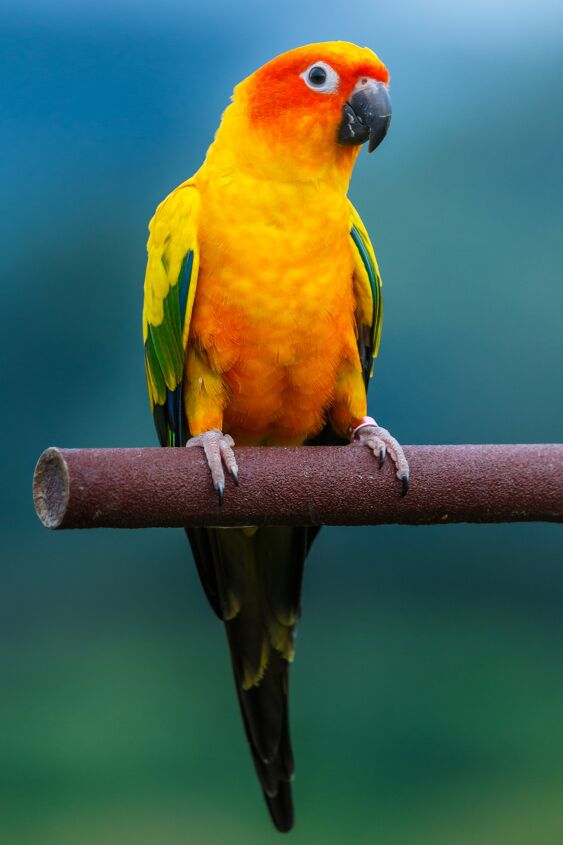
Credit: www.petguide.com
Signs Of Territorial Behavior
Sun Conures, like many birds, exhibit signs of territorial behavior. Understanding these signs helps in managing their environment and ensuring their well-being. This section delves into the key indicators of territorial behavior in Sun Conures.
Vocalizations
Sun Conures use loud calls to mark their territory. These vocalizations can be piercing and frequent. You might notice increased screeching when new people or pets enter their space. These calls serve as a warning to intruders.
Physical Displays
Sun Conures puff up their feathers to appear larger. This is a common sign of territorial behavior. They may also spread their wings wide and fan their tails. This makes them look more intimidating.
Biting is another clear sign. If a Sun Conure feels threatened, it may bite anyone who approaches. This bite can be strong and painful.
They might also engage in chasing behavior. They will chase away intruders from their designated area. This shows their need to protect their space.
Managing Territoriality In Captivity
Sun Conures are known for their vibrant colors and playful nature. They can also be quite territorial, especially in captivity. Proper management of their territoriality ensures a harmonious environment. This section covers key strategies to manage this behavior in your home.
Cage Setup
A well-designed cage can reduce territorial behavior. Ensure the cage is spacious. A larger cage provides more room, reducing stress.
Include multiple perches at different heights. This gives your Sun Conure various vantage points. Add a variety of toys to keep them engaged.
Place food and water dishes in separate areas. This prevents them from becoming possessive over one spot.
| Item | Placement | Purpose |
|---|---|---|
| Perches | Different Heights | Vantage Points |
| Toys | Scattered | Mental Stimulation |
| Food & Water Dishes | Separate Areas | Reduce Possessiveness |
Introducing New Birds
Introducing new birds can be challenging. Follow a slow and gradual approach.
- Quarantine the new bird for a few weeks.
- Place cages side by side. Let them get used to each other’s presence.
- Supervised interactions are vital. Gradually increase their time together.
Reward positive interactions with treats. This reinforces good behavior. Be patient and consistent. This ensures a smooth introduction and minimizes territorial disputes.

Credit: www.facebook.com
Frequently Asked Questions
Do Conures Get Territorial?
Yes, conures can get territorial. They may defend their space, especially during breeding season. Proper training helps manage this behavior.
Why Do Sun Conures Become Aggressive?
Sun Conures become aggressive due to hormonal changes, territory defense, or lack of socialization. Proper training and social interaction help.
What Are The Disadvantages Of Sun Conure?
Sun conures can be noisy, which may disturb neighbors. They require lots of attention and can be messy. Their diet needs variety and can be expensive. Sun conures may also bite and need plenty of space to thrive.
Do Sun Conures Get Attached To One Person?
Yes, Sun Conures often form strong bonds with one person. They are social and enjoy attention from their favorite human.
Conclusion
Sun Conures can be territorial, especially during breeding season. Understanding their behavior helps build a harmonious relationship. Provide a spacious cage and plenty of toys. Socialize them regularly to reduce aggression. By meeting their needs, you can enjoy a happy, healthy Sun Conure.

Viola R. Daigle
I'm Viola R. Daigle, a dedicated Internet Marketer. I work with WarriorPlus as a Vendor and Affiliate, and I’m also an Affiliate on JVZoo and Legendary Marketer. My passion is to provide honest and detailed reviews of Internet Marketing (IM) products and software. I love helping people choose the right tools and strategies to grow their online business with confidence.


